Kolomna is a city where history lingers in every corner, but its charm isn’t just in the ancient walls and towers. Some places here exist quietly, almost unnoticed, yet they shape the city’s character in their own way. The Chamber Stage theater is one of them—a small, unassuming space that long ago outgrew its modest beginnings. It’s not a grand palace of the arts with marble columns and crystal chandeliers. Everything here is simpler, but no less meaningful for it.
The theater emerged in the late nineties, a time when Russia was still finding its footing, and culture often took a backseat. Back then, it seemed unlikely that a small theater in a provincial town would survive, let alone thrive. Yet it did, becoming a place where people come not just for performances, but for the atmosphere. The building itself is unusual—a former Soviet House of Culture with high ceilings and a spacious hall that once held hundreds. Now, with only about a hundred seats, the intimacy of the space creates a sense of closeness between actors and audience that larger venues can’t replicate.
The repertoire here isn’t confined to classics or conventional productions. Instead, the theater often stages works you won’t find on bigger stages: contemporary plays, experimental pieces, and adaptations of lesser-known scripts. Some performances provoke thought, others offer sharp humor, but there’s always depth beneath the surface. The troupe is small but tightly knit, and regulars quickly grow familiar with the actors, as if they were old friends. That’s the beauty of the Chamber Stage—it doesn’t aim to impress with scale, just with sincerity.
Festivals and creative gatherings play a special role in the theater’s life. A few times a year, artists and directors from other cities come together for events that feel more like intimate gatherings than grand spectacles. There are no red carpets, just conversations, new ideas, and performances that might not fit elsewhere. For Kolomna, these moments offer a rare glimpse into the wider world of theater beyond Moscow and St. Petersburg.
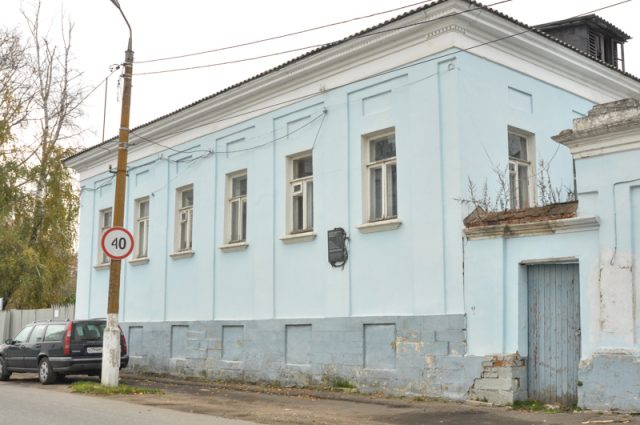
The building, though not architecturally striking, has its own story. The House of Culture that now houses the theater was built in the mid-20th century, when such places were hubs of community life. They hosted meetings, concerts, and lectures, and in the evenings, clubs and workshops filled the halls. Many similar buildings fell into disrepair over time, but this one endured—perhaps because it was always alive with activity. When the theater moved in, it didn’t overhaul the interior. The high windows, ceiling moldings, and even the old wooden doors remain, preserving a sense of continuity. It’s as if the theater didn’t just occupy the space but became part of its history.
The Chamber Stage isn’t the kind of place people visit once a year for a premiere. It has regulars who follow the schedule like they would the lives of close friends. For some, it’s a habit; for others, a discovery. Few leave indifferent. Maybe it’s because there’s no pretense here, no effort to dazzle. The theater simply does what it does, and the audience appreciates it.
In a city where every stone holds echoes of the past, the Chamber Stage has become another layer of history—not as ancient as the Kremlin walls, but just as vital. It’s a reminder that culture doesn’t need to be loud or extravagant to matter. Sometimes, all it takes is a small hall, talented actors, and an audience willing to listen. That might be the quiet magic of small theaters: they don’t try to change the world, just to make it a little warmer, a little more human.