In the quiet, time-worn streets of Kolomna, where the past lingers in the creak of wooden shutters and the gentle murmur of the Moskva River, there’s a place where history isn’t just remembered—it’s tasted. The Kolomna Pastila Museum-Reserve is more than a tribute to a local delicacy; it’s a doorway into the life of a town that has quietly preserved its soul through centuries. Here, in the heart of an old merchant’s estate, the story of pastila—a delicate, airy confection made from apples—unfolds like the layers of the sweet itself, each one revealing something new about the people who crafted it and the city that cherished it.
Pastila first appeared in Kolomna in the late 18th century, born from the abundance of orchards that once dotted the surrounding countryside. Unlike other regions where similar treats were made from berries, Kolomna’s masters favored apples—tart, fragrant, and perfectly suited to the slow, patient process of drying. The method was simple but laborious: apple purée was spread thin and left to dry in the sun or near a warm stove, layer by layer, until it transformed into a light, almost weightless mass. Over time, the recipe evolved, with some families adding honey or spices, but the essence remained the same—a sweet that was as much about the hands that made it as the fruit it came from. By the 19th century, Kolomna pastila had earned its reputation, gracing the tables of the imperial court and becoming a point of pride for local merchants who competed to perfect their craft.
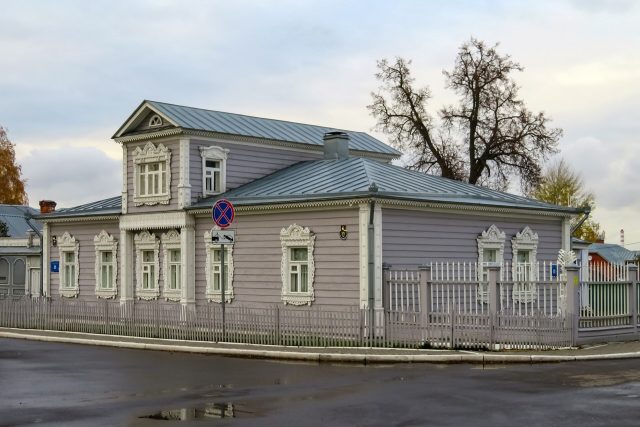
The museum doesn’t just recount this history; it immerses visitors in it. Housed in a restored 19th-century wooden manor, the exhibits bring the past to life through everyday objects: wooden tubs for crushing apples, copper basins for cooking, and molds that once shaped the delicate layers of pastila. Old photographs and documents tell the stories of the families who made their fortunes from this humble sweet, while a reconstructed kitchen fills the air with the scent of baked apples and cinnamon. Visitors can even try their hand at making pastila themselves, following traditional methods adapted for modern kitchens—a rare chance to connect with a craft that has been passed down through generations.
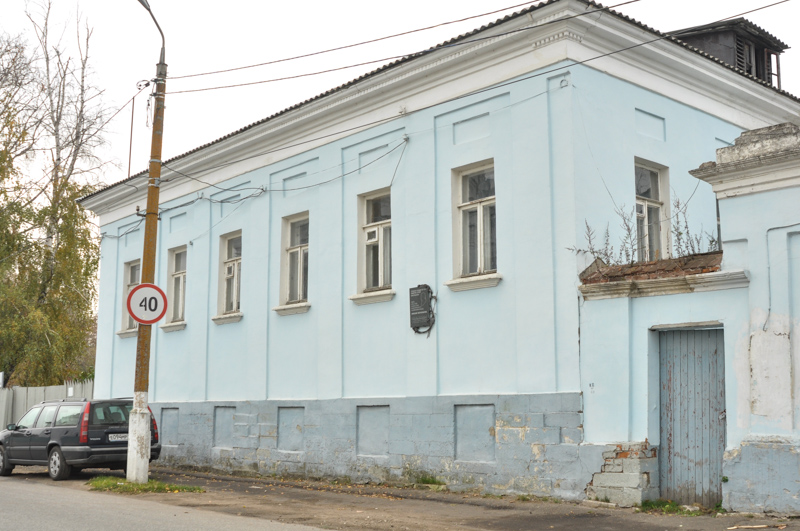
The architecture of the museum is a quiet marvel in itself. The buildings, with their carved wooden facades, steep roofs, and lush orchards, are a faithful recreation of a merchant’s estate from the 1800s. Walking through the courtyard, it’s easy to imagine the bustle of life that once filled these spaces—servants hurrying between the main house and the outbuildings, merchants discussing business under the shade of apple trees, the scent of baking pastila drifting through the air. In summer, the garden is alive with blossoms and the hum of bees; in winter, snow softens the sharp lines of the roofs, and the warm glow from the windows invites you to linger. Even without knowing the history of pastila, the place has a charm that’s hard to resist.
Kolomna itself is a city that rewards those who take the time to look beyond its unassuming facade. Older than Moscow, it has retained a sense of intimacy and rhythm that feels worlds away from the rush of modern life. The medieval kremlin, with its sturdy white walls and golden-domed churches, stands as a reminder of the city’s long history, while the narrow streets and quiet squares offer a glimpse into a way of life that has changed little over the centuries. Pastila is just one thread in this tapestry, but it’s a thread that runs deep—one that connects the city’s past with its present.
Today, Kolomna pastila is experiencing a revival. After decades of obscurity, it’s being made again, using the same recipes and techniques that once made it famous. The taste is unlike anything you’ll find in a supermarket: light, with a subtle tang of apples and a hint of spice, it dissolves on the tongue, leaving a lingering sweetness that’s hard to forget. For many visitors, it’s the reason they come to Kolomna in the first place, and the museum is often their first stop. But more than just a treat, pastila is a symbol of something enduring—a tradition that survived wars, revolutions, and the relentless march of time.
What makes the museum truly special, though, isn’t just the pastila itself, but the story it represents. It’s a story of resilience, of hands that shaped a simple fruit into something extraordinary, of families who built their lives around a craft that required patience and care. The exhibits show how the recipe changed over the years, how packaging evolved, how production methods adapted—but the heart of it remained the same. Pastila was never just a product; it was a labor of love, a connection to the land, and a piece of cultural identity that Kolomna has held onto with quiet pride.
A visit to the museum is a chance to step into that story. There’s no rush here, no need to hurry from one exhibit to the next. You can wander through the rooms at your own pace, pause in the garden to watch the sunlight filter through the apple trees, or sit in the courtyard with a cup of tea and a plate of pastila, savoring the flavors of the past. For those who enjoy photography, the museum offers endless inspiration—the weathered wood of the buildings, the intricate carvings on the shutters, the way the light plays on the cobblestones. It’s a place where history isn’t just observed; it’s felt.
Kolomna is the kind of city that doesn’t demand attention, but those who take the time to explore it often leave with a sense of having discovered something rare. The Pastila Museum-Reserve is one of those discoveries—a place where the past isn’t just preserved, but brought to life in a way that’s both intimate and profound. It’s a reminder that history isn’t just about grand events or famous names; it’s also about the small, everyday things—the recipes passed down through generations, the traditions that shape a community, the simple pleasures that make life sweet. In Kolomna, pastila is more than just a dessert; it’s a taste of history itself.