The Kremlin sits on the high banks where the Moskva River flows into the Oka. This is where Kolomna once guarded the southern frontiers of the Grand Duchy of Moscow. Now, the fortress is part of the city’s daily life—legends of battles mix with the sounds of streets and markets.
Construction started in the late 15th century, when Moscow needed stronger borders. Ivan III chose Kolomna for its position and ordered a fortress built from red brick, unusual for the time. The walls and towers still stand, their height and thickness showing how much the builders planned for. The Pyatnitskaya Tower, named after a nearby church, and the Kolomenskaya Tower, the tallest, overlook the rivers and the fields beyond.
These walls have seen history. In the 16th century, troops left from here to fight Kazan. During the Time of Troubles, the fortress held against Polish-Lithuanian forces. Later, when Russia’s borders moved south, Kolomna lost its military role, but the Kremlin stayed a symbol of the town. In the 19th century, some walls were torn down for new buildings, yet much of the original structure remained.
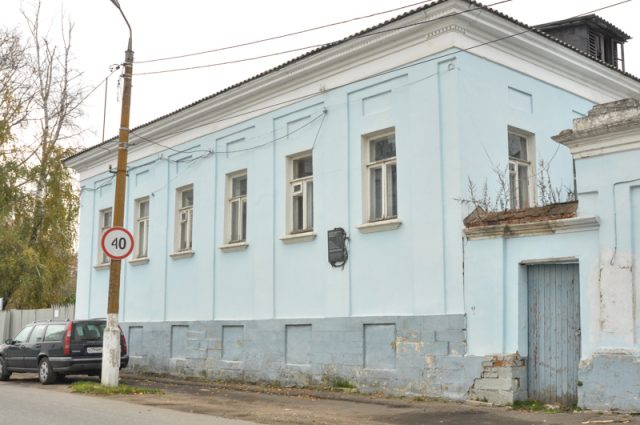
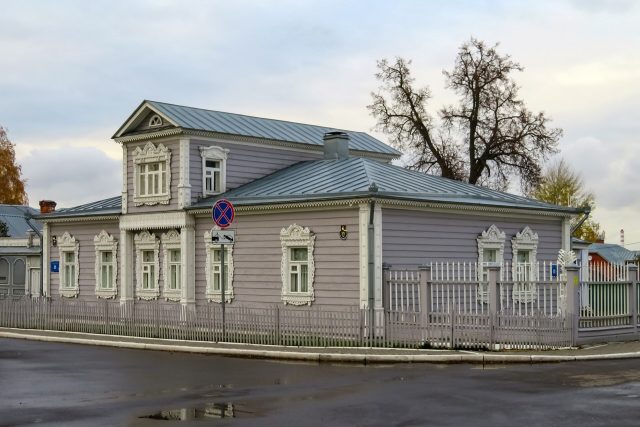
Inside, narrow streets lead past old churches and houses. The Dormition Cathedral, first built in the 14th century and rebuilt in the 19th, rises with its white stone and golden domes. Inside, faded frescoes and icons cover the walls. The Novo-Golutvin Monastery, founded in the late 18th century, has small cells and a quiet courtyard.
Summer brings crowds to the towers and picnics by the river. In autumn, leaves turn gold, and the smell of fresh bread drifts from bakeries. Winter covers the battlements with snow, and warm light glows from the windows of old houses. When spring comes, the rivers rise, and the Kremlin seems to float above the water.
This isn’t a museum. People live here, work here, and hold fairs in the squares. One tower has a small museum with maps and weapons. Another has a café where you can drink tea and talk to locals. Time moves slowly, as it does in old Russian towns.
Walk the battlements, look through the arrow slits, or sit by the river and watch the sun set behind the towers. Kolomna doesn’t try to impress. It just stands, quiet and steady, like the towns around it.