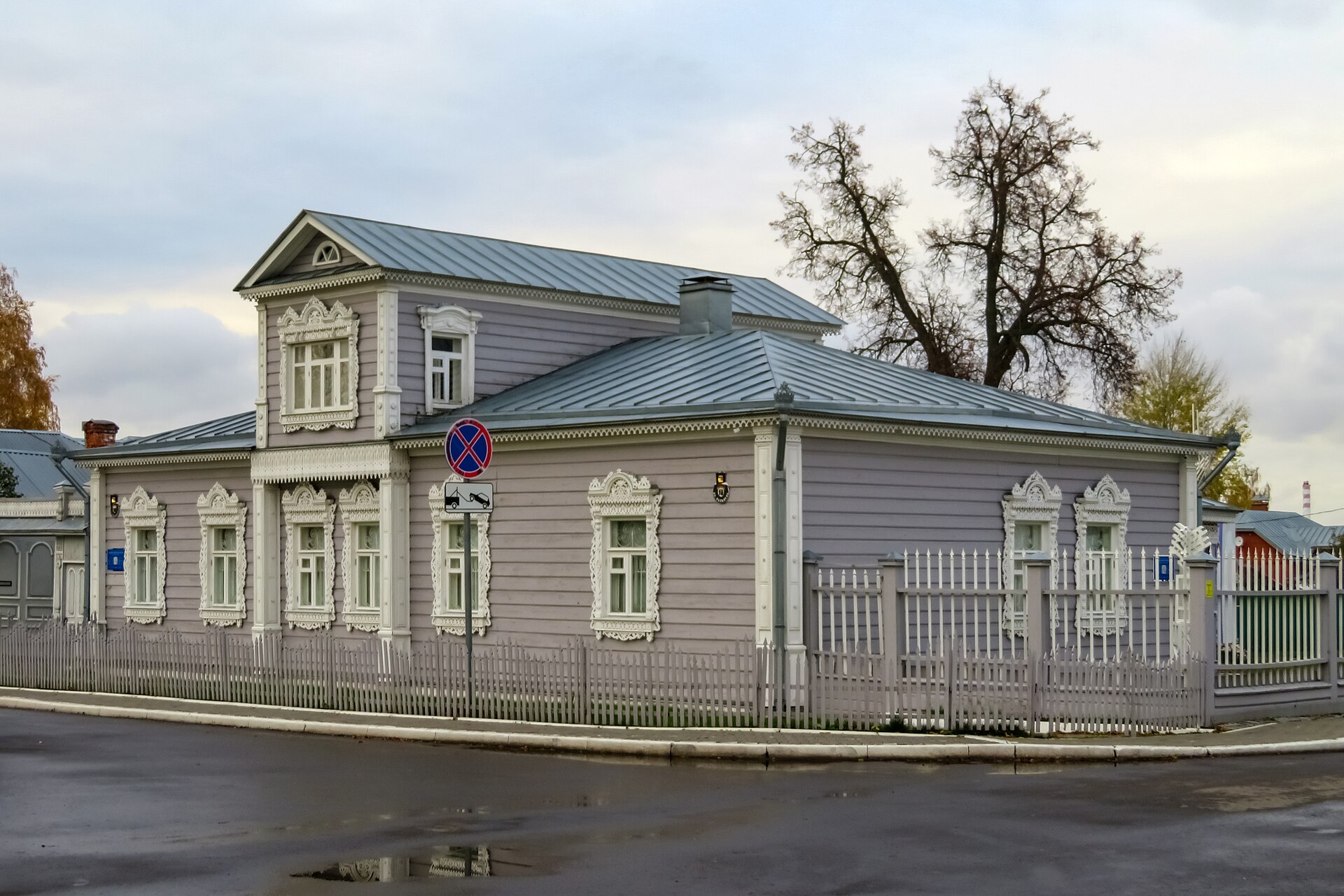
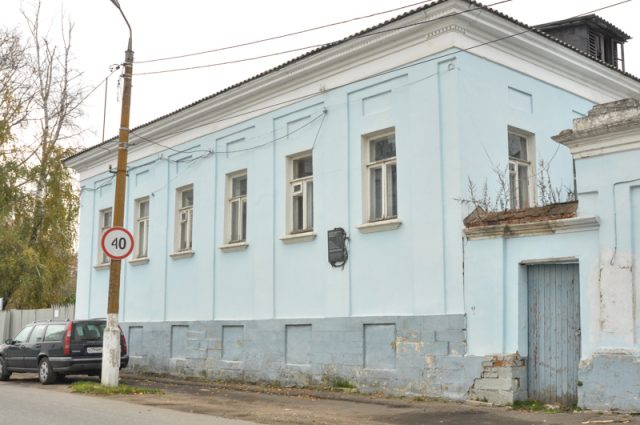
The Museum of Organic Culture in Kolomna is one of those rare places that quietly shifts your perspective on the world. It’s not a traditional museum with artifacts locked behind glass, but rather a living space where art and nature intertwine in unexpected ways. The concept of organic culture, which emerged in early 20th-century Russia, sought to dissolve the boundaries between human creativity and the natural world, and this museum brings that idea to life in a way that feels both timeless and contemporary.
Housed in a 19th-century merchant’s mansion, the building itself is a work of art. The architecture carries the elegance of a bygone era—high ceilings, intricate plasterwork, and grand windows with stained glass—yet the interior has been reimagined to reflect the museum’s philosophy. The space doesn’t just display art; it invites visitors to experience the harmony between human expression and the environment. The exhibits evolve over time, incorporating new works created in the museum’s own studios, ensuring that each visit offers something fresh.
The organic culture movement began in Russia in the 1910s, led by artists like Mikhail Matyushin and Elena Guro, who believed art should not merely depict nature but exist as an extension of it. Their experiments with form and material were radical for their time, and the museum preserves this legacy through rare archival materials alongside modern interpretations. Here, you’ll find paintings, sculptures, and installations that blur the line between art and the natural world, using materials like wood, stone, and even living plants.
What makes this museum unique is its dynamic approach to exhibitions. It bridges the past and present, showcasing early 20th-century avant-garde works alongside contemporary pieces that continue the dialogue. Some installations are interactive, responding to movement or sound, while others are more meditative, inviting quiet reflection. The museum doesn’t just present art—it fosters a conversation between the viewer, the artist, and the environment.
Beyond exhibitions, the museum is a hub of creativity. Workshops, lectures, and artist talks are held regularly, offering visitors a chance to engage with the ideas behind organic culture firsthand. Whether it’s a painting class, a sculpture session using natural materials, or a discussion on the philosophy of art and nature, there’s always an opportunity to participate rather than just observe. Special programs for children and adults make the museum accessible to all, turning abstract concepts into tangible experiences.
Kolomna, with its ancient walls and quiet streets, is the perfect setting for such a place. The city has a way of balancing history and innovation, and the Museum of Organic Culture fits seamlessly into this atmosphere. It doesn’t feel out of place among the old churches and cobblestone lanes; instead, it feels like a natural extension of the city’s character. After visiting, you might find yourself wandering along the Moskva River embankment or exploring one of the nearby historic sites, seeing Kolomna through a new lens.
The museum’s location in the heart of the city adds to its charm. It’s within walking distance of the kremlin and other landmarks, making it easy to combine a visit with a broader exploration of Kolomna. But even if you come just for the museum, you’ll leave with more than just an appreciation for art—you’ll carry a sense of connection to the world around you.
There’s no rigid script here. Some visitors might be drawn to the history of the Russian avant-garde, while others will find themselves captivated by the modern installations. Some may simply enjoy the ambiance of the old mansion, where creativity lingers in the air. The Museum of Organic Culture isn’t just a destination for art lovers; it’s a place where anyone can find something that resonates. It’s a reminder that art isn’t static—it’s alive, evolving, and deeply intertwined with the world we inhabit.