Kolomenskoye is one of those rare places where history isn’t just remembered—it lingers in the air, in the rustle of leaves, in the way the light falls on ancient stone. Perched on the high banks of the Moskva River, it was once the country retreat of Russian tsars, a place of royal hunts, grand feasts, and diplomatic receptions. Today, it remains a green refuge within the city, where visitors can wander through centuries-old alleys, admire historic churches, or simply sit by the water and watch the river stretch into the distance.
The first records of Kolomenskoye date back to the 14th century, when these lands belonged to Moscow’s ruling princes. By the 16th and 17th centuries, it had become one of the most important royal estates, particularly favored by Ivan the Terrible and Alexei Mikhailovich. Foreign ambassadors were received here, lavish banquets were held, and in 1667, the estate saw the construction of Alexei Mikhailovich’s legendary wooden palace—a marvel of its time, though sadly lost to history. Only engravings and written accounts remain, but the spirit of that era still lingers in the quiet corners of the park.
The architectural ensemble of Kolomenskoye is dominated by 16th- and 17th-century landmarks that blend seamlessly with the natural landscape. The centerpiece is the Church of the Ascension, built in 1532 to commemorate the birth of Ivan the Terrible. Its slender white-stone silhouette, crowned with a tent-like bell tower, is one of the most recognizable examples of early Russian architecture. Nearby stands the Church of the Beheading of John the Baptist, simpler in design but equally striking. Both churches exemplify the early tent-roofed style, where stone structures retained the lightness and grace of wooden buildings.
The park itself is vast, with a landscape carefully designed to highlight the beauty of the surroundings. Ancient ponds, oak groves, and open meadows—once grazed by royal horses—create a sense of timelessness. The slopes leading down to the Moskva River are especially picturesque, offering views of the opposite bank where, on clear days, the outlines of modern buildings can be seen in the distance. In summer, the park is cool and shaded, while autumn transforms it into a golden realm as maple and linden leaves turn vibrant hues.
Beyond its natural beauty, Kolomenskoye is an open-air museum. Several exhibits within the park tell the story of the estate’s history and the lives of those who lived here. One building houses a model of Alexei Mikhailovich’s wooden palace, giving visitors a sense of its former grandeur. There are also displays of antique household items, reconstructions of peasant dwellings, and even a small bread museum, a nod to the estate’s role as the center of vast agricultural lands.
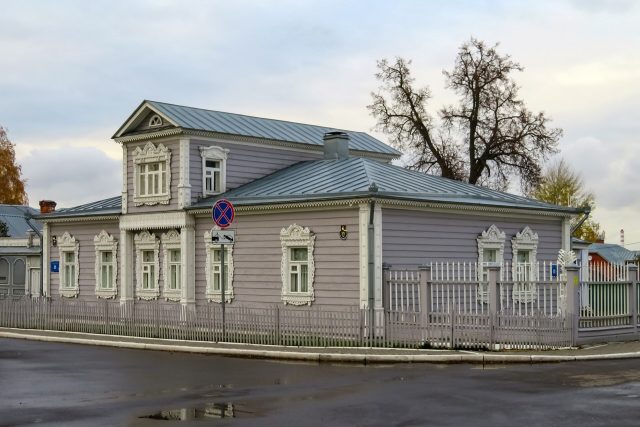
A particularly intriguing feature is the House of Peter the Great, a small wooden cabin said to have been used by the young tsar during his visits to Kolomenskoye. Though the house was originally brought here from Arkhangelsk, it remains one of the few surviving examples of residential architecture from Peter’s era. Inside, the simple furnishings—a stove, basic furniture, and everyday objects—evoke the austere lifestyle of the time.
Kolomenskoye isn’t just for history enthusiasts. It’s a place where anyone can escape the city’s hustle, whether by picnicking by a pond, cycling along the paths, or curling up on a bench with a book. Winter brings its own magic: snow-dusted trees, the crunch of footsteps on frozen paths, and the quiet expanse of the Moskva River create a sense of peaceful isolation.
Despite being within Moscow’s borders, Kolomenskoye feels worlds away from the urban sprawl. It’s easy to forget the city’s size and imagine the footsteps of tsars on these same paths, the echoes of long-ago feasts in the palace halls, the chime of church bells over the river. The park moves at its own unhurried pace, offering something different to every visitor—whether a quiet spot for reflection or a chance to step into Russia’s past.