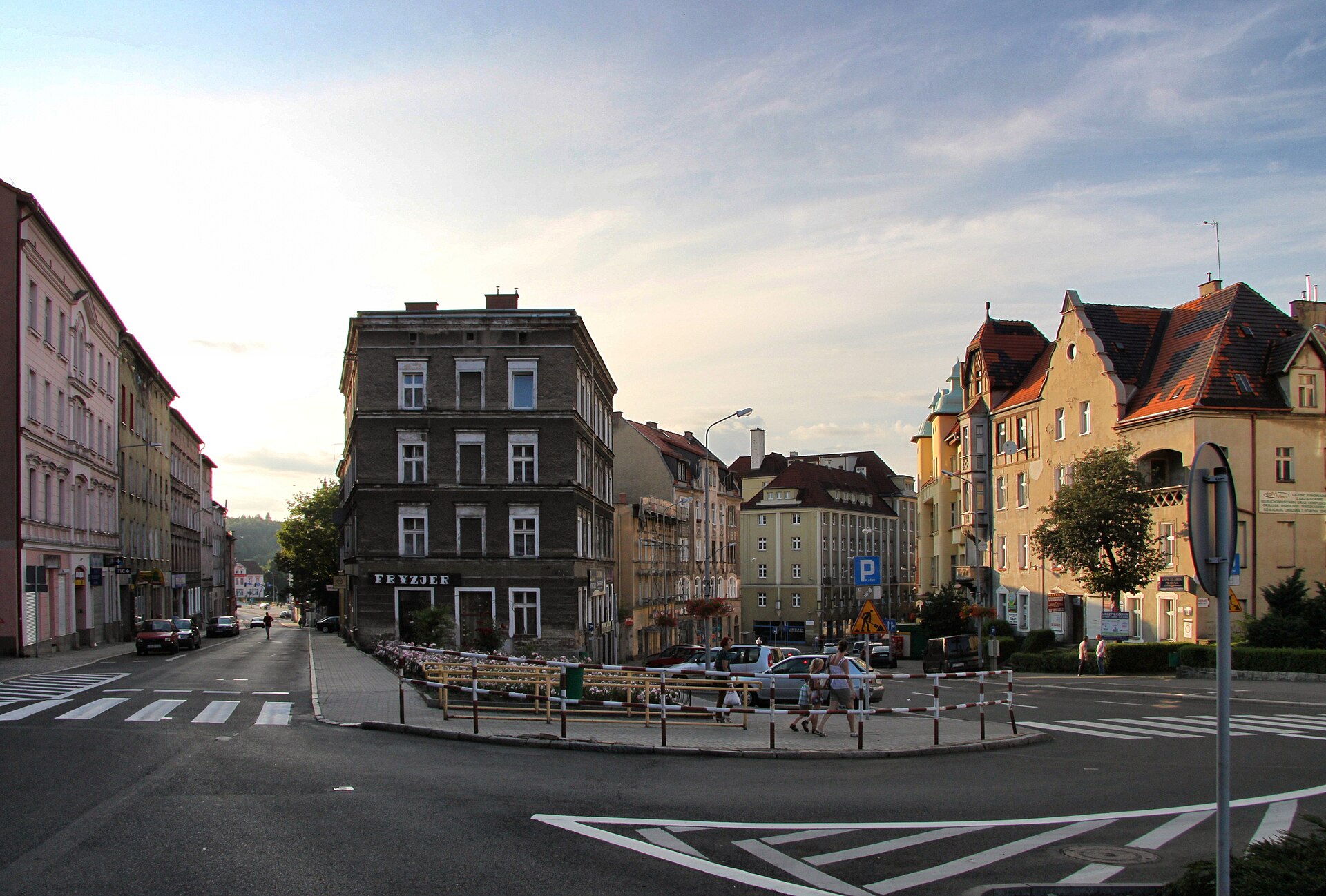
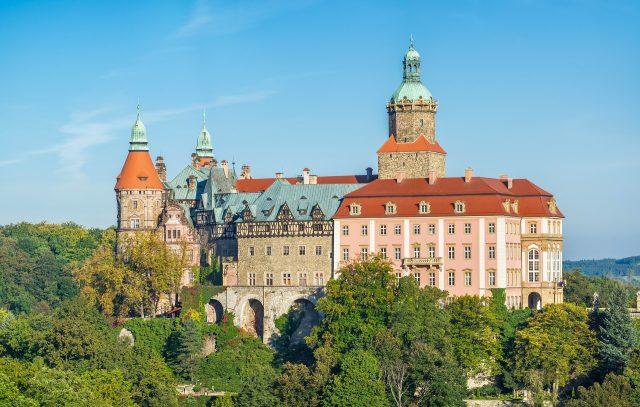
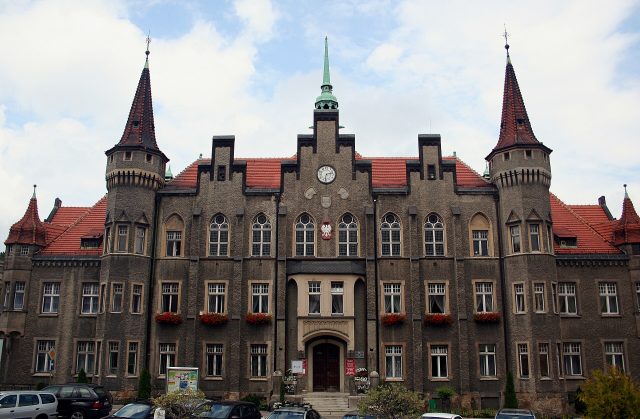
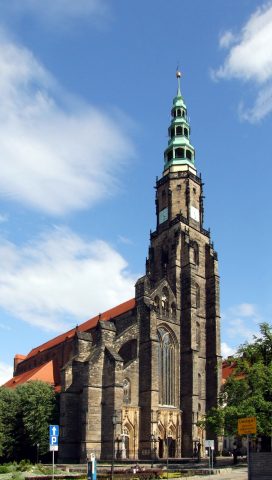
Wałbrzych is one of those Polish cities that rarely appears on tourist maps. It sits among the gentle hills of Lower Silesia, where cobblestone streets and faded industrial facades hint at a past that lingers just beneath the surface. Yet in its center, the Jerzy Szaniawski Theatre stands—a place where history, culture, and daily life merge in ways you don’t expect.
Why the name matters
Jerzy Szaniawski wasn’t just a playwright. He shaped Polish theatre in the mid-20th century, believing the stage should be a space for experimentation, where generations and ideas could meet. His legacy isn’t just in the scripts performed here. It’s in the air—an insistence that art should challenge, connect, and belong to everyone.
The building tells its own story
The theatre opened in the early 1900s, when Wałbrzych thrived as an industrial and cultural hub. Its neoclassical facade, with columns and tall windows, gives it a dignified presence. Inside, ornate plasterwork, wooden panels, and grand chandeliers preserve the warmth of another era. Renovations have come and gone, but the original details remain, holding decades of memories.
More than just performances
The Jerzy Szaniawski Theatre anchors Wałbrzych’s cultural life. It hosts festivals, concerts, literary evenings, and discussions with artists. The repertoire spans Polish and international classics alongside contemporary works that push boundaries. But what makes it different is its ties to the city. Local playwrights and directors often see their work staged here, keeping the theatre rooted in the community. For many, it’s not just a venue—it’s where they meet friends, unwind, or feel art that speaks directly to them.
The theatre has survived wars, political shifts, and economic crises. After World War II, it was rebuilt almost entirely, yet it endured. Today, it runs educational programs, acting workshops, and guided tours that explore its history. The past isn’t just preserved here—it’s alive, shaping what comes next.
A different kind of rhythm
The auditorium isn’t crowded. That’s part of the charm. Performances feel like shared moments, not grand spectacles. The connection between actors and audience runs deeper in a space this size. You might buy a ticket on a weekday evening and find yourself absorbed in a world where the outside noise fades.
Wałbrzych doesn’t market itself as a must-see destination. That’s its strength. There are no souvenir stalls or tour groups, just the chance to experience something real. Even if you don’t speak Polish, the theatre offers more than performances—tours, a café where locals gather, and the quiet pleasure of sitting in a space untouched by mass tourism.
Time slows here. You can wander the halls and imagine the stories these walls have held.
The Jerzy Szaniawski Theatre isn’t a museum, though it carries echoes of the past. It isn’t just an architectural landmark, though its design stands out. It’s a place where art exists for its own sake—for the people who create it and those who come seeking something genuine. Wałbrzych doesn’t demand attention. Neither does its theatre. That’s why it works.
Here, you can step away from the noise of travel, take a seat, and let the quiet magic of the place settle in. It’s not about grand gestures. It’s about a stage that has seen generations come and go—and still has stories to tell.