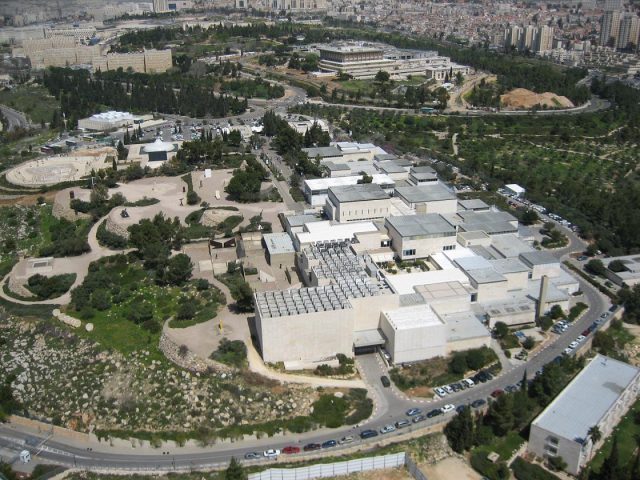
Jerusalem Theatre is one of those places where the city reveals itself not just as a historical and religious capital, but as a living cultural hub. Nestled in the western part of the city, it sits at the intersection of modern architecture and centuries-old traditions, blending seamlessly into Jerusalem’s landscape as if it had always been there. Unlike the grand opera houses of Europe or the lavish concert halls of America, this building is understated, yet no less significant. There’s no excess of gold or marble, just spacious foyers, high ceilings, and large windows that let in the soft Jerusalem light. It wasn’t designed to dazzle with opulence but to serve as a stage for art that speaks for itself.
The theatre’s story begins in the mid-20th century, when Jerusalem had already become the capital of the young state of Israel but hadn’t yet developed the cultural diversity it’s known for today. The 1950s were a time of rapid urban growth, and alongside residential neighborhoods and government buildings, there arose a need for spaces dedicated to music, theatre, and dance. The idea of creating a major cultural center came from Mayor Teddy Kollek, a man who envisioned Jerusalem not just as a religious center but as a modern metropolis with its own identity. Construction began in 1964, and the theatre opened its doors in 1971, during a period of dynamic development when people from all over the world were flocking to the city, bringing their traditions, languages, and art with them.
The architecture of the Jerusalem Theatre is a dialogue between functionality and symbolism. The building was designed to be practical for both audiences and performers while maintaining a connection to its surroundings. The main hall seats over seven hundred people, and its acoustics are considered among the best in the country. There’s no unnecessary ornamentation, but every detail has been carefully considered—from the arrangement of the seats to the shape of the stage, which draws the audience into the performance. The foyer often hosts exhibitions by local artists, and the open terraces offer a place to enjoy coffee while looking out at the green slopes of the Jerusalem hills. The theatre doesn’t try to isolate itself from the city; instead, it becomes part of it, inviting people in not just for a show but simply to spend time in quiet reflection or conversation.
Today, the Jerusalem Theatre is more than just a building—it’s a cultural complex where classical and contemporary music concerts, theatrical performances, festivals, and lectures take place. Both local ensembles and international stars perform here, from symphony orchestras to jazz musicians. A special place in the program is reserved for Israeli artists, whose work reflects the cultural diversity of the country’s society. In the theatre’s halls, you can hear Hebrew, Arabic, Russian, English—the languages spoken by Jerusalem’s residents—and each one sounds natural, without any forced emphasis on differences. This is a place where art becomes a bridge between worlds, not by erasing their uniqueness but by highlighting its value.
The atmosphere of the theatre is subtle but instantly memorable. There’s none of the hustle typical of tourist spots, nor is there any stiff formality. People come here not just for the performances but for the space itself—to sit in the cozy café, stroll through the garden, browse the bookstore, or simply watch other visitors. In the foyer, you might encounter music students discussing an upcoming concert or elderly couples who have been coming here for decades, as if it were their favorite café. The theatre has its own rhythm, independent of tourist seasons, and that’s what makes it especially valuable for those who want to experience the pulse of real Jerusalem.
Festivals play a major role in the theatre’s life. Every year, it hosts international events dedicated to music, theatre, and film, drawing attention from both locals and visitors worldwide. The Jerusalem International Film Festival, for example, has been running since 1984 and has become one of the most important cultural platforms in the Middle East. Here, you can see works by filmmakers from different countries, including those whose creations rarely make it to the big screen. The theatre becomes a temporary home for filmmakers, critics, and cinephiles, fostering an atmosphere of creative exchange that’s just as important as the screenings themselves.
Despite its significance, the Jerusalem Theatre remains a place open to everyone. There’s no strict dress code, and tickets for many events are reasonably priced. It’s not an elitist venue but a cultural center where art exists for anyone willing to engage with it. Perhaps that’s why it’s so beloved by locals—it doesn’t dictate how art should be perceived but simply offers the chance to experience it, whether it’s classical music, contemporary dance, or experimental performance.
Jerusalem is a city of contrasts, where ancient walls stand beside modern skyscrapers and sacred sites coexist with bustling markets. The Jerusalem Theatre is no exception. It doesn’t compete with historical landmarks or religious sites but exists alongside them, adding new dimensions to the city’s image. There are no sacred texts or ancient legends here, just the live voices of performers, the sounds of music, and the quiet murmurs of an audience momentarily escaping everyday life. This is a place where Jerusalem reveals itself not only as the city of three religions but as a city where art has become part of its soul.