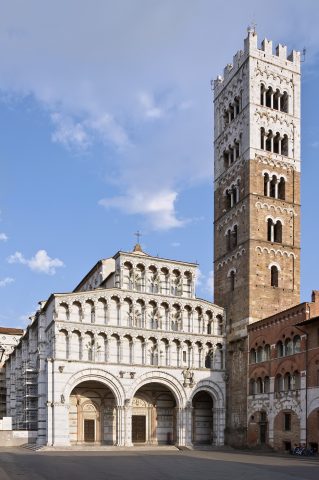
Lucca has a way of holding onto its past without making a fuss about it, and Teatro del Giglio is one of those places where time feels suspended. Tucked away in the historic center, it doesn’t announce itself with grand facades or ostentatious details. Instead, it blends into the quiet rhythm of the city, almost as if it’s been there forever, waiting to be discovered by those who know where to look. The theater isn’t just a building—it’s a living piece of Lucca’s story, a place where art was never just entertainment but a thread that wove together people from all walks of life.
The origins of Teatro del Giglio trace back to the 17th century, when it rose from the site of an old monastery, San Giglio, whose name it still carries. Lucca was then an independent republic, and the theater became a symbol of its cultural flourishing. Initially a private venue owned by the noble Buonvisi family, it later opened its doors to the public. The 19th century brought significant changes, reshaping the theater into the form we see today. The architects of that era sought to balance tradition with innovation, creating a space that felt both timeless and fresh—a goal they achieved with quiet elegance.
Inside, the theater is a classic example of Italian operatic design, though it avoids the overwhelming grandeur of larger venues. The horseshoe-shaped auditorium, with its three tiers of boxes and a balcony, feels intimate despite its capacity. The ceiling frescoes, intricate plasterwork, and gilded accents lend a sense of occasion without veering into excess. There’s a warmth here, a sense that the space was designed to draw people in rather than intimidate them. When the lights dim and the performance begins, the theater seems to wrap around the audience, making every note and gesture feel personal.
Over the centuries, Teatro del Giglio has hosted more than just opera. Plays, concerts, and even ballets have graced its stage, reflecting the city’s diverse artistic tastes. The 19th century was particularly significant, as the theater became a key venue in the development of Italian opera. Works by Verdi, Rossini, and Puccini—composers who defined an era—were performed here, their music echoing through the same halls where audiences had gathered for generations. Lucca, after all, was Puccini’s hometown, and the theater often featured his compositions, especially during festivals dedicated to his legacy.
Today, the theater remains a vibrant part of Lucca’s cultural life. Its program blends the classics with contemporary works, offering everything from traditional operas to modern plays and jazz nights. The Puccini Festival is a highlight, filling the city with music and a palpable sense of celebration, but even on ordinary evenings, the theater hums with activity. Locals and visitors alike come to experience the magic of live performance, where the connection between artist and audience feels immediate and unfiltered. There’s something about the way the space holds sound—the way voices carry, the way silence lingers—that makes every visit feel unique.
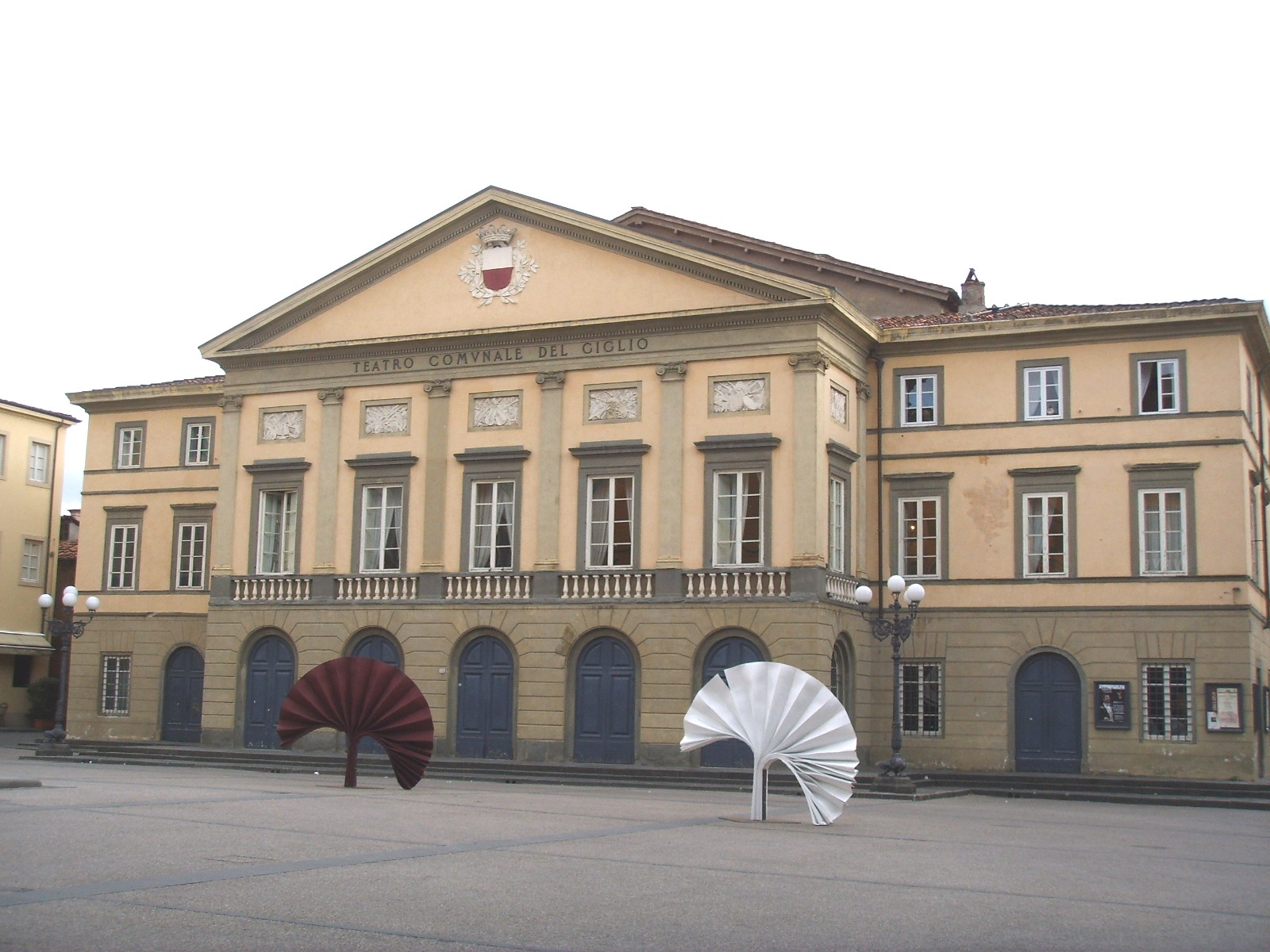
From the outside, Teatro del Giglio is unassuming. Its facade lacks the marble columns or dramatic sculptures that mark other landmarks in Lucca, but that’s part of its charm. It sits on a narrow street leading to Piazza San Michele, one of the city’s most beautiful squares, almost as if it’s meant to be stumbled upon rather than sought out. The theater doesn’t demand attention; it invites curiosity. Those who take the time to step inside discover a place where the past isn’t just preserved—it’s alive, breathing through the performances and the people who fill the seats.
For Lucca, the theater is more than just a venue. It’s a piece of the city’s identity, a place where art isn’t consumed but shared. The audiences here aren’t passive—they’re participants, whether they’re lifelong residents or travelers looking to understand what makes this city tick. Unlike in larger tourist hubs, where culture can feel packaged and commercialized, Teatro del Giglio retains a sense of authenticity. It’s a reminder that art, at its best, isn’t about spectacle but about connection.
Visiting the theater isn’t just about catching a show. It’s about stepping into a space where history and the present coexist effortlessly. The walls seem to hold the echoes of applause from centuries past, the murmurs of audiences who once filled these seats. Even on a quiet day, when the stage is dark, there’s a sense of anticipation in the air, as if the theater is simply waiting for the next performance to begin. If you find yourself in Lucca, take a moment to wander past its unassuming facade. You might just find the heart of the city beating within its walls.