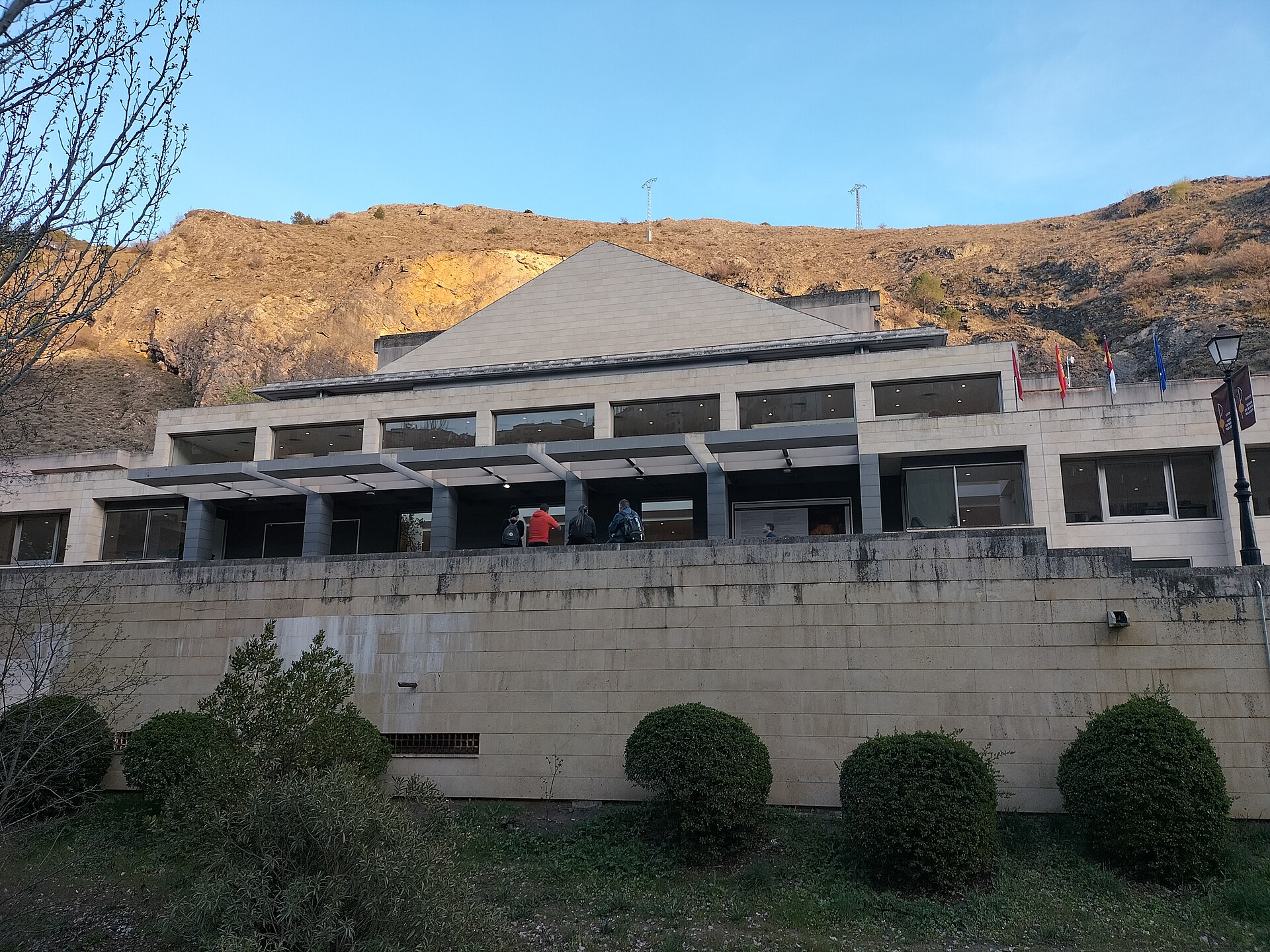
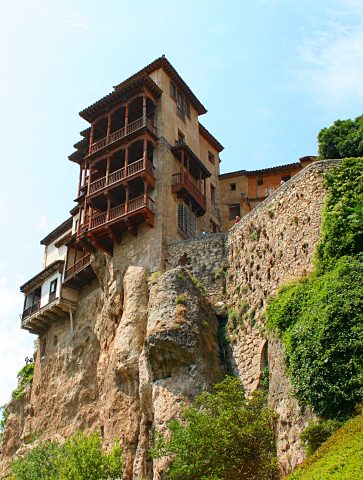
Perched on a hillside overlooking Cuenca’s medieval heart, the Auditorio de Cuenca is a conversation between the city’s past and its present. Built in the late twentieth century, the building emerged when Cuenca was rediscovering itself as a cultural hub, balancing its historic reputation with an appetite for contemporary art. The theater doesn’t compete with the casas colgadas above the Huécar River; it stands alongside them. Stone and wood match the surrounding hills, while large windows frame views of the old town’s streets and the river valley below.
The architecture follows function and place. The hillside’s natural acoustics carry sound without amplification in some spaces. Daylight fills the halls, reducing electric lighting during matinees. Terraces let audiences step outside between acts, where the evening air carries the scent of pine and the river’s murmur. Inside, the theater’s flexibility works—multiple halls host chamber recitals and large festivals, each space shaped for performers and listeners.
Cuenca has long been a city where art thrives. In the Middle Ages, craft guilds produced textiles and religious artifacts. By the Renaissance, it was a crossroads for Castile, where ideas converged. The Auditorio continues that legacy, hosting classical orchestras, jazz ensembles, local choirs, and international soloists. The programming mirrors the city’s eclectic spirit.
The International Festival of Music and Dance draws artists from across Europe for a month of performances, workshops, and open rehearsals. The city’s streets buzz with impromptu concerts. The Auditorio becomes a gathering place for musicians, dancers, and audiences. Beyond the main events, the festival spills into cafés and plazas, where experimental performances take over. For a few weeks, Cuenca feels like a center of something larger.
The Auditorio is woven into local life. It hosts university lectures, wedding receptions, film screenings, and poetry readings. In winter, the halls become refuges from the cold. Residents take pride in the acoustics, often calling them some of the best in Spain. Musicians speak of the space with reverence. One evening, a children’s choir might perform; the next, electronic music fills the air.
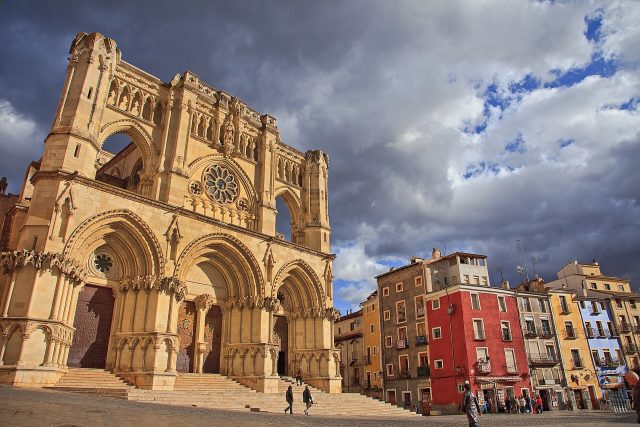
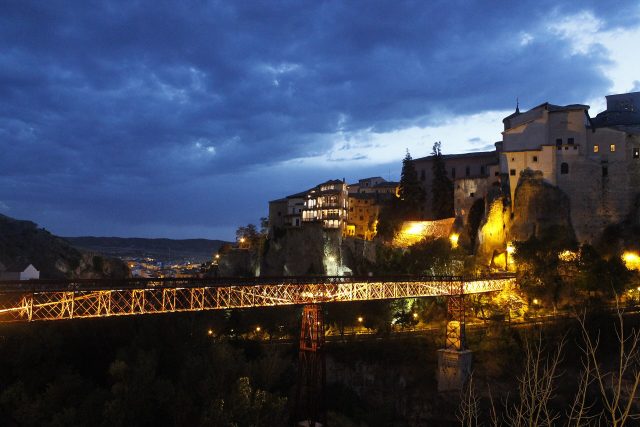
For those who come to Cuenca expecting only its hanging houses and Gothic cathedrals, the Auditorio offers something else. The city is tucked between Madrid and Valencia, its old quarter a maze of narrow alleys. Medieval churches stand beside Moorish walls, and the Huécar River carves a gorge through the city. The theater sits at the edge of this historic core, a modern counterpoint to the stone facades. Walking from the cathedral to the Auditorio, you pass Roman ruins, Renaissance palaces, and twentieth-century apartment blocks.
The walk from the city center is steep, winding past shops and cafés where the scent of roasted lamb lingers. The neighborhood is unpretentious, with family-run restaurants serving slow-cooked stews and aged cheeses. After a performance, you might slip into one of these places, where conversation turns to the music or the city’s latest cultural happenings. If the weather is mild, the riverfront beckons, its promenade lined with willows.
The Auditorio isn’t grand. It feels lived-in. Locals and visitors lose themselves in the moment—whether it’s a string quartet or a jazz improvisation. For travelers, it’s a reminder that Spain’s culture runs deeper than flamenco. Cuenca, with its layered history, offers a different experience. The past isn’t preserved; it evolves, one concert at a time. The Auditorio doesn’t just house art; it becomes part of the story.