Alfredo Mesquita Theater is one of those quiet corners of São Paulo that carry the echoes of the city’s mid-20th-century cultural life. Tucked away in Vila Mariana, a neighborhood that still feels like a relic of a slower, more intimate São Paulo, it stands as a reminder of a time when the city was becoming a magnet for artists, actors, and audiences hungry for new ideas. The streets here are lined with low-slung houses, old trees, and a sense of calm that contrasts sharply with the bustle of the downtown business districts. The theater itself emerged in the 1950s, a period when Brazilian theater was flourishing, and São Paulo was establishing itself as a hub for experimentation and innovation.
Unlike the grand cultural palaces that dominate the city center, Alfredo Mesquita Theater is an unassuming space, designed to make the audience feel like participants rather than spectators. The architecture is simple but deliberate—high ceilings, large windows that flood the interior with natural light, and a minimalist aesthetic that keeps the focus on the performance. The building has retained much of its original character, preserving the spirit of an era when theater was less about spectacle and more about connection, a place where people gathered not just to watch but to engage.
The theater is named after Alfredo Mesquita, a pivotal figure in Brazilian theater who was as much an educator as he was a performer. He was part of a movement that sought to democratize theater, making it accessible and relevant to everyday people. The theater in Vila Mariana embodies this philosophy. It was never a venue for lavish productions aimed at an elite audience; instead, it became a laboratory for new forms, a space where artists could experiment with genres and invite the audience into a dialogue. Mesquita’s legacy lives on in the theater’s approach, which still values authenticity over grandeur.
Today, the theater remains active, though its role in the city’s cultural landscape has evolved. Once one of the few places in São Paulo where avant-garde performances could be seen, it now hosts a diverse range of projects—from classic plays to contemporary performances and experimental works. The program often includes festivals, workshops, and discussions with theater professionals, but the heart of the place remains its intimate atmosphere. The small auditorium ensures that the distance between the stage and the audience is minimal, creating a sense of immediacy, as if each performance is a conversation rather than a show.
A visit to Alfredo Mesquita Theater is more than just an evening at the theater; it’s a chance to step into the history of Brazilian performing arts. The repertoire frequently features works by local playwrights, many of which explore social and cultural themes relevant to the country. Some productions push boundaries, blurring the line between theater and reality, turning the audience into active participants. For those curious about the mechanics of theater, guided tours offer insights into the building’s history and its significance in the development of Brazilian stagecraft.
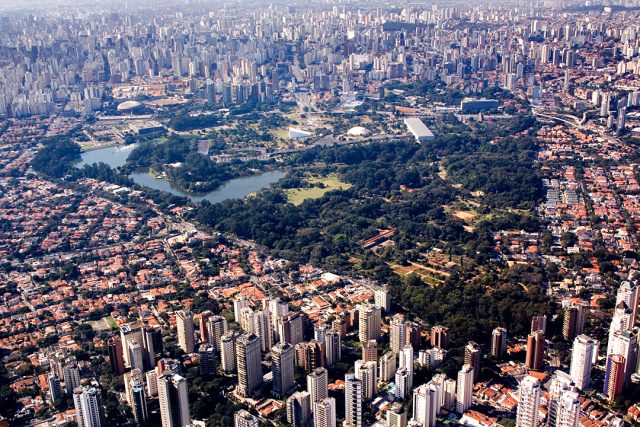
The surrounding neighborhood of Vila Mariana adds to the experience. Unlike the towering skyscrapers and shopping malls that define much of modern São Paulo, this area retains a sense of the city’s past. The streets are quiet, lined with small cafés, bookshops, and parks where locals gather throughout the day. It’s not uncommon to stumble upon old cinemas repurposed as cultural centers or artist studios open to visitors. The theater fits seamlessly into this environment, as if it has always been part of the neighborhood’s fabric.
Visiting Alfredo Mesquita Theater also invites reflection on how urban culture changes over time. In an age where entertainment is often consumed through screens and algorithms, places like this serve as a reminder of the value of live art and human connection. There’s no room for passivity here—every performance demands attention, engagement, and a willingness to be moved. Perhaps that’s why the theater continues to draw those who seek more than just distraction, offering instead an experience that lingers long after the curtain falls.