Santa Rita de Cassia Church stands in Vila Mariana, one of São Paulo’s oldest neighborhoods, where the pace of life feels deliberately unhurried. The streets here are lined with low-slung houses topped with terracotta tiles, their facades bearing the quiet marks of time. The church itself seems to watch over the area like a patient observer, having witnessed the transformation of Vila Mariana from a rural outpost into a proper urban district. Built in the late 19th century, it arrived just as the neighborhood was taking shape, when immigrants, coffee plantation workers, and craftsmen were putting down roots. For them, the church was more than a place of worship—it was a gathering spot, a refuge from the chaos of daily life, and a cornerstone of their new community.
The architecture is unassuming, yet there’s a quiet elegance to it. The facade follows neoclassical lines, with symmetrical columns and a triangular pediment that gives the building a sense of balance. Inside, the space is small but bright, with high windows filtering soft daylight onto whitewashed walls and wooden pews. The altar is modestly adorned, its simple stucco work framing a statue of Saint Rita of Cascia, the church’s patron saint. Unlike the grand cathedrals in São Paulo’s downtown, there’s no gilded opulence here, no marble floors—just a sense of authenticity, as if the church has preserved the spirit of the people who built and frequented it over the decades.
Saint Rita isn’t the most widely recognized saint in Catholicism, but in Brazil, she holds a special place in the hearts of many. Known as the patron of impossible causes, she draws those seeking solace, miracles, or simply a moment of hope. Inside the church, it’s common to see people lighting candles before her image—some whispering prayers, others sitting in silence, watching the flicker of the flames. The feast day in her honor, celebrated in May, brings the church to life with flowers and offerings, a tradition passed down through generations. Even those who no longer attend mass regularly often remember the rituals, a quiet thread connecting them to the past.
The church’s history is woven into the fabric of Vila Mariana itself. In the early 20th century, the neighborhood was a working-class enclave, home mostly to Italian and Portuguese immigrants. For them, the church was more than a spiritual center—it was a place where cultural traditions were kept alive. Festivals honoring patron saints, communal singing, and gatherings in the square after mass were part of everyday life. Over time, the neighborhood evolved—new buildings rose, shops and cafes opened—but the church remained unchanged, a steady presence anchoring the community to its roots.
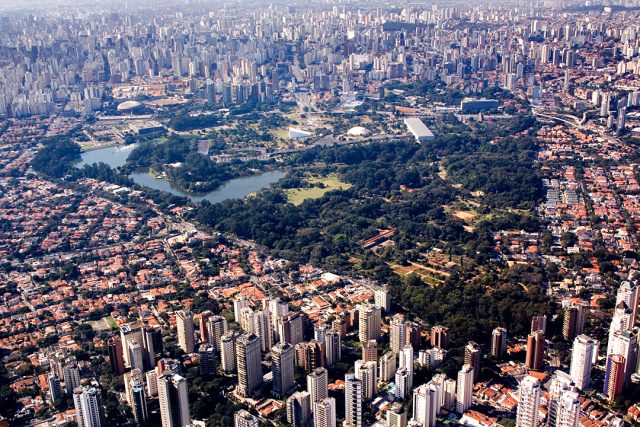
Today, Vila Mariana feels like a small-town pocket within a sprawling metropolis. There are no towering skyscrapers or bustling avenues here, just quiet squares, old trees, and an atmosphere that makes it easy to forget the city’s relentless pace. Santa Rita de Cassia Church fits seamlessly into this setting. It doesn’t draw crowds like the cathedrals downtown, and that’s part of its charm. On Sundays, parishioners linger after mass, chatting on the steps or stopping by the nearby café for coffee and conversation. The church isn’t just a building; it’s a living part of the neighborhood’s rhythm.
Step inside, and time seems to slow down. The wooden pews creak underfoot, the scent of wax and incense lingers in the air, and the murmur of prayers creates a sense of calm. There’s no rush here, no need to hurry—just the quiet invitation to sit, reflect, or pray. For many in Vila Mariana, the church is a constant in their lives, a place they turn to in difficult moments or when they need to feel connected to something larger than themselves.
From the outside, the church is unassuming, and that’s precisely what makes it special. It doesn’t demand attention with grandeur; it simply exists, woven into the daily lives of those who live nearby. In the mornings, schoolchildren pass by on their way to class. During the day, elderly women stop in with their shopping bags. In the evenings, workers returning home pause for a moment to catch their breath. Santa Rita de Cassia Church isn’t just an architectural landmark—it’s a living space where stories intersect, traditions endure, and anyone can find a moment of peace amid the chaos of the city.