The Lázaro de Andrade Museum sits in Vila Mariana, a neighborhood in São Paulo where the city’s past lingers in unexpected ways. This former home of the Andrade family holds paintings, documents, and personal items belonging to Lázaro de Andrade, a painter and educator who shaped Brazilian art in the early 1900s. The house retains the feel of its time, with rooms that still carry the quiet energy of his work.
Andrade was born in Bahia in 1872 and later moved to São Paulo, where he became a key figure in the city’s artistic circles. He founded the School of Arts and Crafts in 1902, training a new generation of Brazilian artists. His paintings—rural scenes, portraits, and landscapes—now serve as historical records. The museum displays some of these works alongside his belongings, showing the man behind the art.
The house reflects early 20th-century São Paulo architecture, with high ceilings, wooden shutters, and a spacious veranda. Original details remain: antique furniture, tiled stoves, and plasterwork on the ceilings. The artist’s studio, with its easel and palette, feels as if he just stepped away.
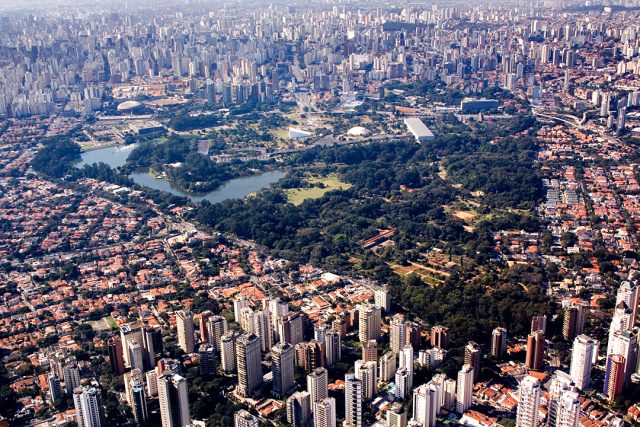
The museum also hosts temporary exhibitions, lectures, and workshops on Brazilian art history. This keeps the space alive, not just a memorial. Vila Mariana, where the museum is located, is one of São Paulo’s oldest districts. Its streets hold well-preserved buildings, small cafés, and parks, offering a quiet contrast to the city’s modern pace.
Visiting the Lázaro de Andrade Museum is about stepping into a slower time. There are no crowds, no loud guides, no souvenir shops. Sunlight fills the rooms, and the air carries stories. It’s a place for those who prefer history at its own pace, where art connects to a larger story.
Andrade believed creativity should be accessible. The museum continues this idea with educational programs for all ages—workshops for children, discussions with artists. The exhibits feel intimate, encouraging visitors to notice details: a handwritten letter, a sketch, the worn brushes.
For those who want to see São Paulo beyond its skyscrapers, this museum offers a different experience. It doesn’t shout for attention, and that’s its strength. Here, you can spend time with paintings, flip through old photographs, or sit on the veranda with coffee. These are the places that make travel meaningful—not because they’re famous, but because they show how one person’s work can shape a culture.