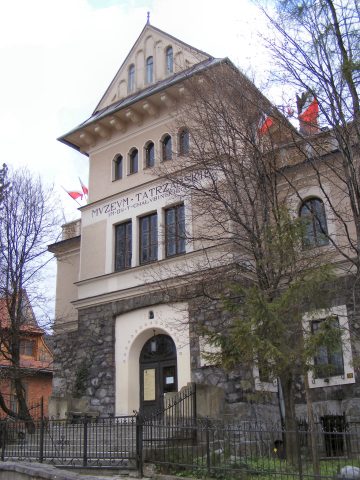
Perched on a gentle hill above Zakopane, the Church of Our Lady of Fátima watches over the town like a quiet guardian. It’s not the oldest building in the region, nor the most ornate, but its presence feels inevitable—almost as if it grew from the landscape itself rather than being built by human hands. The church stands apart from the grander, more ancient sanctuaries of Poland, yet it carries a weight of its own, shaped by the people who prayed here, the architects who designed it, and the mountains that surround it.
Construction began in the mid-20th century, a time when Zakopane was already firmly established as a retreat for those seeking mountain air and winter sports. The town had long been a place where nature and culture intertwined, and the new church was meant to reflect that harmony. Architect Władysław Jaworski, known for blending modernist simplicity with the rustic traditions of the Podhale region, designed a structure that felt at home in the highlands. It took nearly a decade to complete, and when the church was finally consecrated in 1966, it marked not just a religious milestone but a cultural one for the community.
From the outside, the church doesn’t resemble the soaring Gothic cathedrals or elaborate Baroque churches found elsewhere in Poland. Instead, its low walls, broad shingled roof, and modest bell tower give it the unassuming appearance of a mountain lodge. The design is deliberate—practical, yet deeply rooted in the local aesthetic. Inside, the same restraint continues: light wood, stone accents, and an absence of excessive ornamentation create a space that feels both sacred and welcoming. The simplicity isn’t a lack of effort but a choice, one that invites contemplation rather than distraction.
At the heart of the church is the image of Our Lady of Fátima, the icon that gives the sanctuary its name. Brought from Portugal, the statue has drawn pilgrims from across Poland, particularly during the May and October observances of the Fátima apparitions. On these days, the church hums with activity—prayers, processions, and the quiet murmur of visitors who have traveled far to pay their respects. The atmosphere is one of devotion, but also of community, where religious tradition meets the easy camaraderie of the highlands. Locals and visitors alike gather, sharing stories and warmth against the backdrop of the Tatra peaks.
The church sits on the edge of Zakopane, near the base of Gubałówka Hill, where the town gradually gives way to open meadows and forest. From here, the view of the Tatras is unobstructed, and it’s not uncommon to see people lingering outside the church, not just to pray but to take in the panorama. A small park surrounds the building, offering benches where one can sit and listen to the wind rustling through the trees. It’s a place where families bring their children, where hikers pause before setting out on a trail, and where photographers frame the mountains through the church’s quiet silhouette.
Though relatively young, the church has already woven itself into Zakopane’s history. During the Soviet era, when religious life in Poland was closely monitored, it remained a sanctuary of sorts—a place where faith could be practiced openly, even when other institutions were under pressure. Stories persist of secret masses held within its walls, of gatherings that defied the constraints of the time. Today, those echoes of the past are still felt, though the church now stands as a symbol of continuity rather than resistance. It’s a place where the present and the past coexist, where the scent of pine and the sound of distant cowbells blend with the murmur of prayers.
Zakopane is often associated with its lively streets, bustling markets, and world-class ski resorts, but the Church of Our Lady of Fátima offers a different perspective. Here, the town’s energy fades into something quieter, more reflective. The church isn’t just a stop on a tourist itinerary; it’s a reminder of the slower rhythms that define life in the mountains. The wood beneath your feet, the stone walls, the way the light filters through the windows—all of it feels deliberate, as if the building itself is encouraging you to pause.
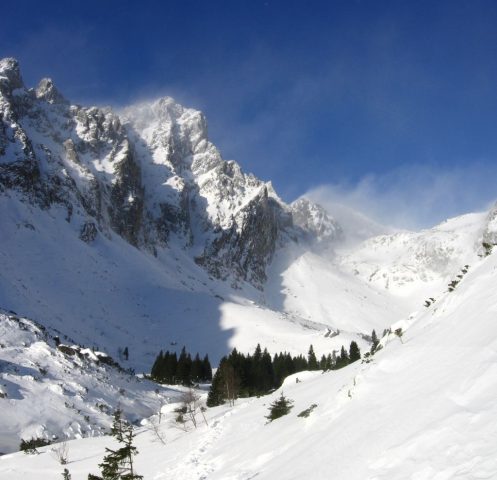
If you find yourself in Zakopane, it’s worth taking the time to walk up the hill to the church. Step inside, light a candle if you wish, or simply sit on one of the benches outside. The view of the Tatras is reason enough to visit, but there’s something more here—a sense of stillness that’s hard to find in the busier parts of town. On a clear day, the peaks seem close enough to touch, their jagged outlines sharp against the sky. It’s a place where you might just find what you came to the mountains for, whether that’s peace, a moment of clarity, or simply the chance to breathe.