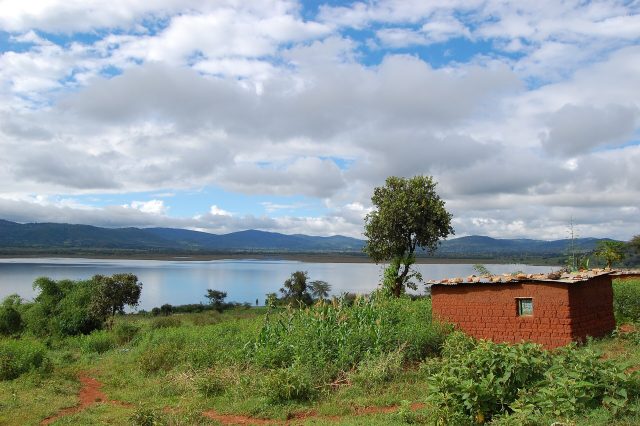
Tarangire
The savanna meets the river here, and acacias rise like giant umbrellas, their branches shading elephants that gather beneath. This national park in northern Tanzania lacks the fame of the Serengeti or Ngorongoro. Fewer crowds, fewer vehicles—animals move as if the land still belongs to them. The park’s name comes from the Tarangire River, which cuts through it from south to north. During the dry season, from June to October, the river becomes the only water source for miles, drawing wildlife in numbers that reshape the landscape.
Established in 1970, the park is younger than Tanzania’s other reserves. Before then, Maasai herders and wild animals shared the same grasslands. Even now, Maasai live on the park’s edges, their red shukas visible against the hills. Tarangire hasn’t been overtaken by lodges and camps. Venture beyond the main tracks, and you’ll feel it—the quiet pull of a place not yet mapped by tourism.
Elephants dominate here. Nowhere else in northern Tanzania will you see so many, often in herds of hundreds along the river. They move through shallows, splash water, trumpet, play. But the park holds more: lions, leopards, cheetahs, buffalo, giraffes, and dozens of antelope species—dik-diks to elands. Zebras and wildebeest gather at the water’s edge. Birdlife thrives, too, with over five hundred species, from sunbirds to marabou storks.
The landscape changes as you move. To the south, open plains stretch under lone acacias. To the north, hills rise, thickets grow, and granite boulders scatter like forgotten sculptures. In the rainy season, from November to May, the park transforms. Grass grows tall, trees leaf out, and animals disperse. Wildlife is harder to spot, but the land hums with life—hidden, restless.
No monuments stand here. The only art is the rock paintings left by the Maasai in hillside caves. Hunting scenes, animals, human figures—simple, but vivid, as if the artists had just left. Guides say they’re centuries old, from when the Maasai first settled these lands. They’re not as famous as other African rock art, but that’s part of their draw.
Visit during the dry season. Animals cluster around the river, and roads stay passable. Mornings are cool, safaris start at dawn. Vehicles kick up dust on rough tracks, dodging termite mounds and thorny bushes. Guides point out herds in the distance, the flick of a predator’s tail. By evening, the savanna glows gold. Sounds take over—the calls of birds, the rustle of grass, a lion’s distant roar.
Tarangire isn’t for luxury lodges or tourist crowds. It’s smaller than the Serengeti; you could cross it in a day. But stay longer, and the land’s rhythm seeps in. Night safaris are rare, but if you’re lucky, you might spot a leopard in a tree or hear elephants moving in the dark. Wake in a tent, wind whispering through acacias, and you’ll know—no photograph captures this.