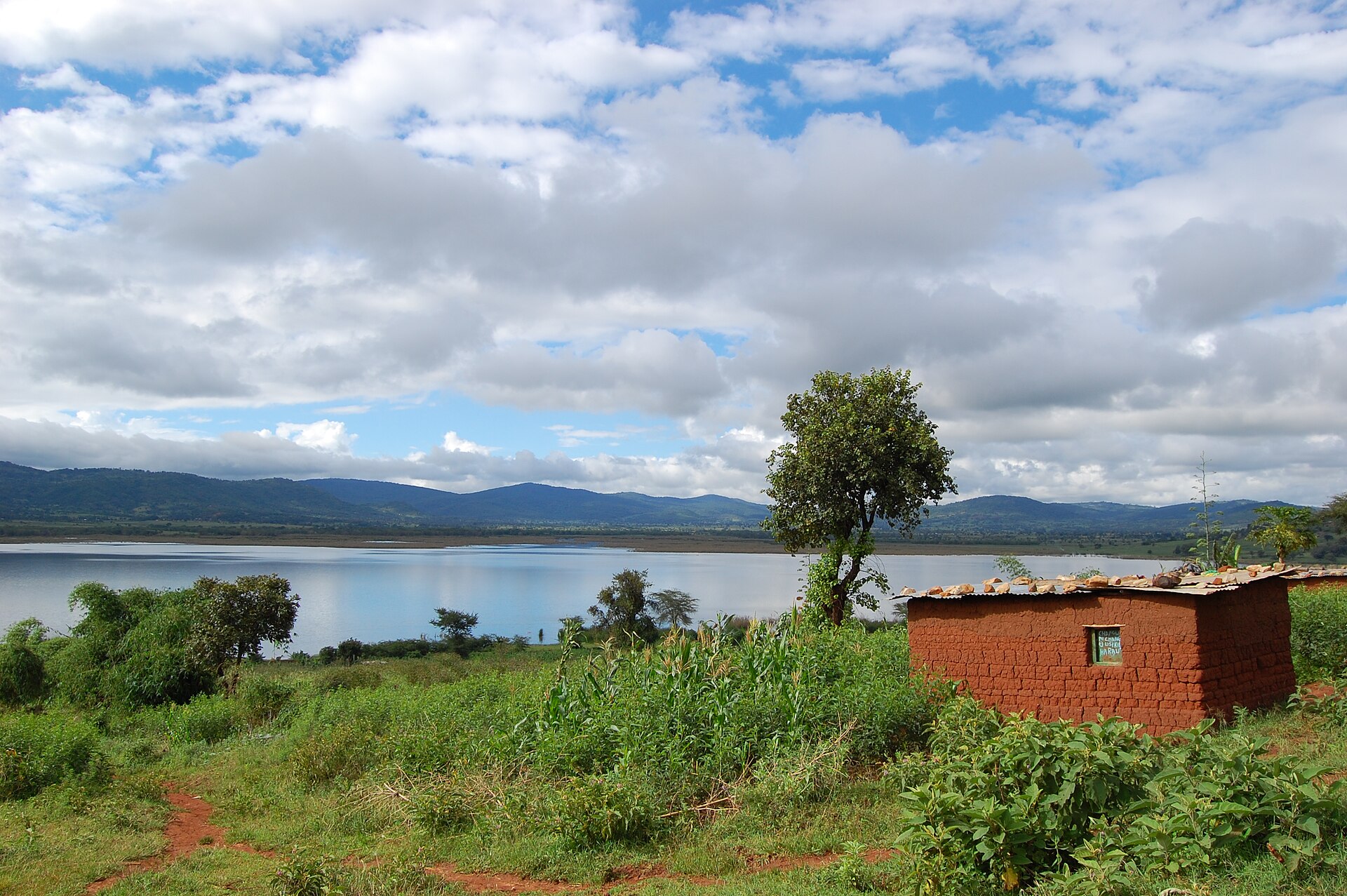
Lake Babati is one of those places that doesn’t announce itself with grand monuments or tourist crowds, yet it quietly holds its own among Tanzania’s natural landscapes. Tucked in the northern part of the country, not far from the town of the same name, the lake is a low-key gem where the rhythm of life moves at the pace of the water itself. It’s a place where local fishermen cast their nets at dawn, where cattle graze along the shores, and where the occasional hippo surfaces with a lazy snort, reminding visitors that this is still very much a wild corner of East Africa.
The lake stretches across a shallow basin, its waters reflecting the changing skies—soft pink at sunrise, deep blue by midday, and golden as the sun dips behind the distant hills. Unlike the more famous lakes of the Rift Valley, Babati doesn’t draw busloads of safari-goers or adventure seekers. Instead, it offers something simpler: a chance to slow down and observe the quiet interplay between people and nature. The shoreline is dotted with small villages where life has revolved around the lake for generations. Here, fishing isn’t just a livelihood but a way of passing time, a skill handed down from fathers to sons, and a reason to gather at the water’s edge as the day winds down.
What makes Lake Babati particularly interesting is its role in the region’s ecology. It’s a vital stopover for migratory birds, especially during the wet season when the lake swells and the surrounding wetlands become a haven for flamingos, pelicans, and countless other species. Birdwatchers who make the journey here are often rewarded with sightings of rare and colorful birds, though the experience is less about ticking off a checklist and more about the quiet thrill of spotting a kingfisher diving for fish or a heron standing motionless in the shallows. The lake is also home to a healthy population of hippos, which, while generally docile, add an element of unpredictability to any visit. Locals know to keep their distance, and visitors quickly learn to do the same.
The area around the lake has a history that’s as layered as the sediment beneath its waters. The region has long been inhabited by the Iraqw people, an ethnic group with deep agricultural roots, as well as the Barabaig, a semi-nomadic community known for their cattle herding. Over time, the lake has witnessed shifts in land use, from traditional farming to more modern practices, though much of the surrounding landscape remains untouched. The nearby town of Babati, a modest but lively place, serves as a gateway to the lake and offers a glimpse into the daily life of northern Tanzania. It’s not a tourist hub, but that’s part of its charm—markets sell fresh produce, streets buzz with motorbikes and chatter, and the occasional dala-dala (shared minibus) rumbles past, packed with passengers and goods.
For those who venture to Lake Babati, the experience is less about what you see and more about how you feel. There’s a sense of timelessness here, a reminder that not every destination needs to be dramatic or Instagram-worthy to leave an impression. The lake doesn’t demand attention; it simply exists, as it has for centuries, shaping the lives of those who depend on it. Early mornings are particularly magical, when the mist hangs low over the water and the only sounds are the calls of birds and the occasional splash of a fish breaking the surface. By midday, the heat can be intense, but it’s a dry, manageable warmth, the kind that makes a shady spot under an acacia tree feel like a gift.
The lake’s surroundings are just as compelling as the water itself. The landscape is a mix of rolling hills, open savannah, and patches of woodland, with the occasional baobab tree standing sentinel over the scene. The soil here is rich and red, a testament to the volcanic origins of the region, and the air carries the scent of earth and grass. It’s a landscape that invites exploration, whether on foot, by bicycle, or in a slow-moving vehicle. There are no marked trails or guided tours, which means visitors are free to wander at their own pace, discovering hidden corners where the water meets the land in unexpected ways.
One of the most striking things about Lake Babati is how little it has changed over the years. While other parts of Tanzania have seen rapid development, this corner of the country remains largely untouched by mass tourism. There are no luxury lodges or high-end resorts, just a handful of simple guesthouses and campsites where travelers can stay if they choose to linger. Most visitors come for a day trip from nearby Arusha or Dodoma, stopping to stretch their legs, take a few photos, and perhaps enjoy a picnic by the water. For those who stay longer, the lake offers a rare opportunity to disconnect—not just from technology, but from the noise of modern life.
The best way to experience Lake Babati is to approach it with an open mind and a willingness to embrace the unexpected. It’s not a place for those seeking adrenaline or spectacle, but for those who appreciate the beauty of simplicity. Whether you’re watching the sunset paint the water in shades of orange and purple, listening to the laughter of children playing along the shore, or simply sitting quietly as the day fades into night, the lake has a way of making you feel present in a way that few places do. It’s a reminder that sometimes the most memorable experiences are the ones that unfold slowly, without fanfare, in a place where time seems to stand still.