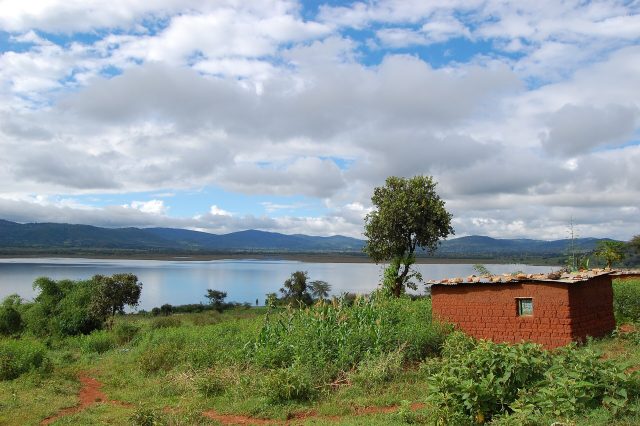
Mount Kwaraa rises quietly above the dry savannas of northern Tanzania, its slopes softened by acacia trees and the occasional baobab. Unlike the more famous peaks of Kilimanjaro or Meru, it doesn’t dominate the skyline with sheer height—its summit sits at just over 2,400 meters—but it holds a different kind of presence. Here, the landscape feels older, less touched by the rush of modern tourism. The mountain is part of the Eastern Arc range, a chain of ancient highlands that stretch across Tanzania and Kenya, shaped by geological forces millions of years ago. These mountains are often called the "Galápagos of Africa" for their unique ecosystems, though Kwaraa itself remains relatively unknown outside the region.
The climb up Kwaraa is not a technical one, but it demands patience. The lower slopes are gentle, covered in grasslands where Maasai herders graze their cattle, their red shukas bright against the muted greens and browns of the terrain. As you ascend, the air cools, and the vegetation shifts—dry bush gives way to patches of forest, where colobus monkeys leap between the branches and birds like the Hartlaub’s turaco flash their crimson wings. The higher you go, the more the mountain reveals its secrets: hidden waterfalls that trickle down rocky faces, caves where bats roost in the dark, and clearings where the wind carries the scent of wild herbs.
For the Iraqw people, who have lived in these highlands for centuries, Kwaraa is more than just a physical landmark. It is a place woven into their history and beliefs. Oral traditions speak of the mountain as a refuge during times of conflict, its caves offering shelter and its forests providing food when crops failed. Some elders still tell stories of spirits that dwell in the misty upper reaches, though these tales are shared less often now. The Iraqw, traditionally farmers and pastoralists, have long cultivated the fertile soils around the mountain, growing maize, beans, and coffee in terraced fields that ripple down the slopes. Their villages, with their round thatched huts and low stone walls, blend seamlessly into the landscape, as if they’ve always been part of it.
The mountain’s isolation has preserved its quiet character, but it hasn’t kept it entirely untouched. In recent decades, small lodges and camps have sprung up at its base, catering to travelers who come not for the crowds of the Serengeti, but for something slower. These places are simple—often just a handful of tents or basic cottages—but they offer a rare chance to wake up to the sound of birds rather than engines. From here, you can walk the lower trails without a guide, though hiring a local Iraqw villager to lead you deeper into the forest is worth the small fee. They know the mountain’s rhythms: where the elephants pass through in the dry season, which streams still run clear in December, and how to spot the elusive leopard tracks pressed into the damp earth.
The best time to visit Kwaraa is during the short rains, from November to December, when the landscape is lush and the air hums with life. The long rains, from March to May, can make the trails slippery and the rivers difficult to cross, but they also transform the mountain into a vibrant green world, where frogs chorus at dusk and fireflies flicker over the grass. The dry season, from June to October, is easier for walking, though the lower slopes can be parched, and the wildlife retreats to the higher, cooler forests. Even then, the mountain has a stark beauty, its rocky outcrops glowing in the late afternoon light.
What makes Kwaraa special is not just its scenery, but the way it feels. There are no summit markers, no crowds of hikers snapping photos at the top. The peak is a modest rise, often shrouded in cloud, and the real reward is the journey itself—the slow unspooling of the landscape, the conversations with herders along the way, the quiet moments when you stop to listen to the wind. On clear days, you can see the distant silhouette of Mount Hanang to the south, another solitary giant, and beyond it, the faint outline of the Great Rift Valley. It’s a view that puts things in perspective: a reminder of how vast this part of Africa is, and how much of it remains wild.
For those who come, Kwaraa offers a different kind of adventure. It’s not about conquering a peak or ticking off a bucket list. It’s about stepping into a place where time moves differently, where the land still dictates the pace of life. You might spend an afternoon watching a troop of baboons forage in the undergrowth, or sit by a fire in a village as the stars emerge, one by one. The mountain doesn’t demand attention; it simply exists, as it has for millennia, waiting for those who are willing to slow down and listen.