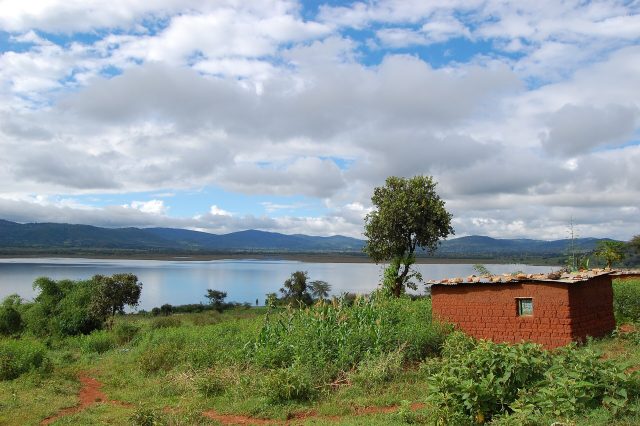
Kondoa is one of those rare places where the weight of history feels almost tangible, as if the land itself is holding its breath. Tucked away in central Tanzania, not far from the town of Babati, this quiet settlement is best known for its ancient rock art, scattered across the sunbaked hills and hidden within the shelter of caves. These paintings, some dating back over two thousand years, are more than just relics—they are a direct line to the people who once lived here, their beliefs, their struggles, and the world as they saw it. Walking through this landscape, where the savanna stretches endlessly and the rocks glow under the equatorial sun, it’s easy to forget the modern world exists at all.
The rock art of Kondoa is among the most significant archaeological treasures in East Africa. Spread across dozens of sites, the paintings vary in style and subject, from lifelike depictions of giraffes, elephants, and antelopes to more abstract figures that seem to dance across the stone. Some images show humans with elongated limbs, possibly representing spirits or ancestors, while others depict hunting scenes or rituals whose meanings have been lost to time. What makes these paintings remarkable isn’t just their age, but the fact that they were created by societies that left no written records. They are, in a sense, the only voices we have from a world that disappeared long ago.
The landscape around Kondoa is as striking as the art itself. The terrain is a mix of rolling hills, sparse vegetation, and jagged rock formations, creating a sense of isolation that feels almost timeless. This is a place where life moves at a different pace. Maasai herders still guide their cattle along the same paths their ancestors once walked, while women from nearby villages collect water from the few springs that trickle down the rocks. The rhythm of daily life here hasn’t changed much over the centuries, and even visitors quickly adapt to it, stepping into a world where nature dictates the rules.
Visiting the rock shelters is less like a typical tourist experience and more like stepping into a living museum. Local guides, many of whom come from the indigenous communities that have lived here for generations, lead the way, sharing stories that have been passed down through oral tradition. They don’t just point out the paintings—they offer interpretations, explaining how certain symbols might represent fertility, celestial maps, or messages from the ancestors. Some images remain mysterious, their meanings debated even among scholars, which only adds to the sense of wonder. There are no definitive answers here, only questions that linger long after you’ve left.
Kondoa’s history is deeply intertwined with the broader story of East Africa. During the early Iron Age, this region was part of a vast network of trade routes that connected the Indian Ocean coast to the interior. Caravans laden with ivory, gold, and other goods passed through these lands, and the people of Kondoa played a role in this exchange, acting as intermediaries between different cultures. Later, when colonial powers arrived, the region’s significance shifted, but the rock art remained untouched, silent witnesses to the changes sweeping across the continent. Today, they serve as a reminder that Africa’s history isn’t just about empires and conquests—it’s also about the everyday lives of people who lived in harmony with the land.
For those who make the journey to Kondoa, the experience is often deeply personal. There are no crowds, no souvenir stalls, no distractions—just the quiet vastness of the landscape and the ancient art that dots the rocks. In the late afternoon, when the sun casts long shadows and the stones take on a warm, golden hue, the place feels almost sacred. It’s easy to sit for hours, tracing the faded lines of the paintings with your eyes, trying to imagine the hands that created them and the world they lived in. The silence here isn’t empty; it’s full of stories waiting to be heard.
Kondoa is now a UNESCO World Heritage Site, a recognition of its global significance and the need to protect it for future generations. But preservation is a delicate balance. The rock art faces threats from erosion, climate change, and even the impact of tourism. Efforts are underway to ensure that visitors can still experience this place without causing further damage, but it’s a reminder that history isn’t just something we observe—it’s something we have a responsibility to protect. Those who come here leave with more than just photographs; they leave with a sense of connection to something enduring.
In a world that moves faster every day, Kondoa offers a rare chance to slow down and reflect. It’s a place where the past isn’t just remembered—it’s felt. The paintings on these rocks are a testament to the human need to create, to communicate, and to leave a mark that lasts beyond a lifetime. They remind us that, no matter how much time passes, some things remain constant: our relationship with the land, our desire to understand the world around us, and the stories we tell to make sense of it all. Kondoa isn’t just a destination; it’s a bridge between then and now, a quiet invitation to listen to the voices of those who came before us.