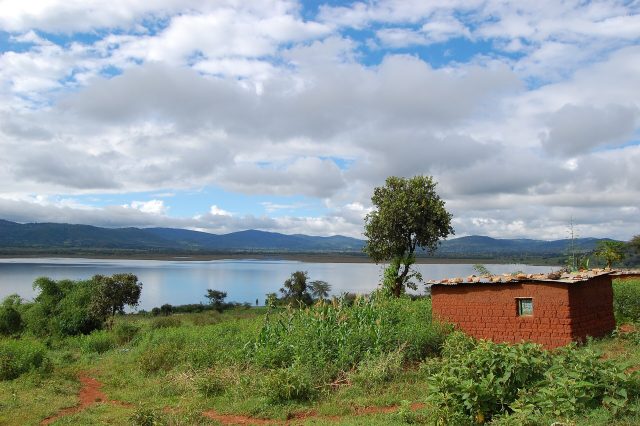
The rock art sites of Kondoa lie tucked away in the heart of Tanzania, where the land feels untouched by the rush of modern life. These ancient paintings, scattered across the rocky outcrops near Lake Babati, offer a rare glimpse into the lives of people who walked this earth thousands of years ago. There are no grand museums here, no polished tourist signs—just the quiet presence of stone and the faint whispers of history carried on the wind.
What makes Kondoa remarkable is not just its age, but the stories etched into its rocks. The paintings depict a world long past: hunters stalking game, herds of elephants and giraffes roaming freely, and abstract symbols whose meanings have faded with time. Some figures are rendered with striking detail, while others appear almost hurried, as if sketched in haste. The animals, in particular, stand out—creatures still found in the savanna today, though perhaps in fewer numbers than when these images were first created. The art may have served practical purposes, too, passing down knowledge or marking sacred rituals, though much of its true significance remains a mystery.
The landscape around Kondoa is as compelling as the art itself. The rock shelters sit among the rolling hills of the Eastern Rift, where sparse vegetation clings to the slopes. In ancient times, this terrain provided everything a hunter-gatherer community needed—shelter from storms, fresh water, and abundant game. Even now, the area retains a sense of wildness, with few signs of the modern world intruding on its solitude. Visitors who make the journey here find themselves stepping into a different era, where the land feels as it might have centuries ago.
No one knows for certain who created these paintings. Some scholars suggest they were the work of the ancestors of the Sandawe or Hadza peoples, indigenous groups who still live in Tanzania and maintain traditional ways of life. Others believe the artists belonged to even older cultures, long vanished from the region. Whatever their origins, the paintings offer a rare connection to a time before written records, when stories were told through images rather than words.
Exploring Kondoa is less about ticking off a tourist attraction and more about immersing yourself in a place where history feels alive. Local guides, often descendants of the people who once inhabited these lands, share their knowledge of the paintings, pointing out hidden details and recounting the legends passed down through generations. Without them, many of the subtler markings might go unnoticed, lost in the shadows of the rocks. Their presence also ensures the art is treated with care, preserving it for those who come after.
This is not a destination for those seeking comfort or convenience. The roads leading to Kondoa are rough, the sun can be relentless, and there are no crowds or souvenir stalls to distract from the experience. But that’s precisely what makes it special. The site remains largely untouched by mass tourism, offering an authenticity that’s increasingly rare. For those willing to make the effort, Kondoa reveals a side of Tanzania that most travelers never see—a place where the past and present coexist in quiet harmony.
In 2006, the Kondoa rock art sites were designated a UNESCO World Heritage Site, a recognition of their global importance. Yet protecting them is no simple task. The elements slowly wear away at the paintings, and the remote location makes conservation efforts challenging. Still, local authorities and international organizations are working to safeguard this heritage, ensuring it endures for future generations.
For many, Kondoa comes as a surprise. Most visitors to Tanzania flock to the Serengeti or the beaches of Zanzibar, overlooking places like this. But the rock art is a vital part of the continent’s story, just as compelling as its wildlife or coastal beauty. Here, you can sense the echoes of ancient cultures, imagine the lives of those who came before, and see the world through their eyes.
A trip to Kondoa demands patience, but the reward is a deeper understanding of a place where time moves differently. This isn’t a destination for those seeking luxury or entertainment—it’s for those who want to experience something real. There are no bright lights or loud noises, just the quiet strength of the rocks and the faint, enduring voice of history. If you listen closely, it might just tell you its secrets.