Shymkent Zoo is one of those quiet places that quietly weave themselves into the fabric of a city, never seeking fame but remaining important to those who call it home. Opened in the mid-20th century, it was the first zoo in southern Kazakhstan and still holds that title in Shymkent today. For many locals, it’s more than just a place to see animals—it’s tied to childhood memories, family outings, or even first dates. It may not have the grand scale of zoos in bigger cities, but it has its own unhurried, cozy atmosphere, as if time moves just a little slower within its fences.
What makes this zoo unusual is its location right in the heart of the city. Unlike most zoos, which are tucked away on the outskirts, Shymkent Zoo sits within walking distance of the main streets, blending into the urban landscape. You might stumble upon it unexpectedly while turning a corner, surrounded by apartment buildings and small cafes. This closeness to everyday life makes it a natural part of the city’s rhythm—people stop by after work for a breath of fresh air or bring their kids on weekends when they don’t feel like traveling far. There’s something comforting about it, as if the zoo has always been here, and the city simply grew around it.
The animal collection isn’t vast, but it’s diverse enough to offer a glimpse of wildlife from Kazakhstan and beyond. You’ll find familiar local species like wolves and foxes alongside more exotic residents—lions, tigers, and even giraffes. Birds take up a special place here, from native birds of prey to colorful parrots and ostriches. For many children, this is their first real encounter with the natural world, where they learn what a flamingo looks like or why camels have humps. In recent years, the zoo has been working to improve living conditions for its animals, redesigning enclosures to resemble their natural habitats more closely.
The zoo’s history is closely tied to Shymkent itself. It opened in 1980, when the city was still called Chimkent and was part of Soviet Central Asia. Back then, zoos weren’t just for entertainment—they were educational spaces where people could learn about wildlife, conservation, and biodiversity. Shymkent Zoo followed that tradition, hosting school field trips, lectures, and even small research projects. After the Soviet Union collapsed, many zoos in the region struggled, but this one endured, though not without challenges. Today, it’s slowly rebuilding, drawing interest not just from locals but also from visitors passing through the city.
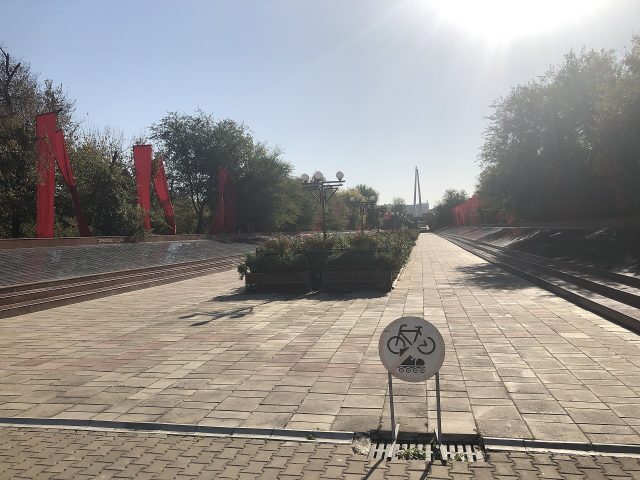
The architecture here is simple and practical, with no unnecessary flourishes. The main structures are the enclosures, administrative buildings, and a few small pavilions with informational displays. In recent years, the zoo has added modern touches—better fencing, paved walkways, and places to sit—but it still retains its original, unpretentious character. In summer, the greenery makes it feel inviting, with trees providing shade and lawns adding to the relaxed atmosphere. Winter transforms it into a quieter, more austere place, but it’s no less interesting when snow dusts the roofs of the enclosures and the bare branches of the trees.
For locals, the zoo is more than just a place to visit—it’s a symbol of the city. It often hosts community events, from festivals to children’s competitions, and sometimes serves as a venue for charity drives or environmental initiatives. There have been fundraisers for endangered animals and educational programs about conservation. This kind of activity turns the zoo into more than just a recreational spot; it becomes a part of the city’s culture, a place where people come to relax and learn something new.
Of course, like many zoos in the region, Shymkent Zoo faces its share of challenges. Funding isn’t always reliable, and modernization plans don’t always come to fruition. Sometimes, there’s a lack of modern equipment or trained staff. But despite these difficulties, the zoo keeps going, evolving and welcoming visitors. Maybe that’s part of its charm—it’s not perfect, but it’s real. There’s no grandiosity here, just a living piece of the city’s history that continues with every new guest.
For travelers visiting Shymkent, the zoo might come as a surprise. The city isn’t a major tourist destination, but those who do visit often find themselves charmed by its mix of tradition and modernity. You’ll see historic mosques alongside modern shopping centers, and the zoo fits right into that blend. It’s not the most famous attraction, but it offers a unique perspective on the city, revealing more about its character than you might expect at first glance. A couple of hours here can be spent watching the animals, strolling along the paths, or just sitting on a bench, listening to the sounds of the city around you.
Shymkent Zoo isn’t the kind of place that dazzles you immediately. That’s part of its appeal. It doesn’t try to be bigger or better than others—it simply exists, as much a part of the city as its streets and its people. For some, it’s a childhood landmark; for others, a reason to spend time outdoors; and for a few, a chance to see animals they won’t find anywhere else in town. Whatever brings people here, the zoo remains a place worth returning to—not for flashy experiences, but for that quiet, almost homely comfort it offers.