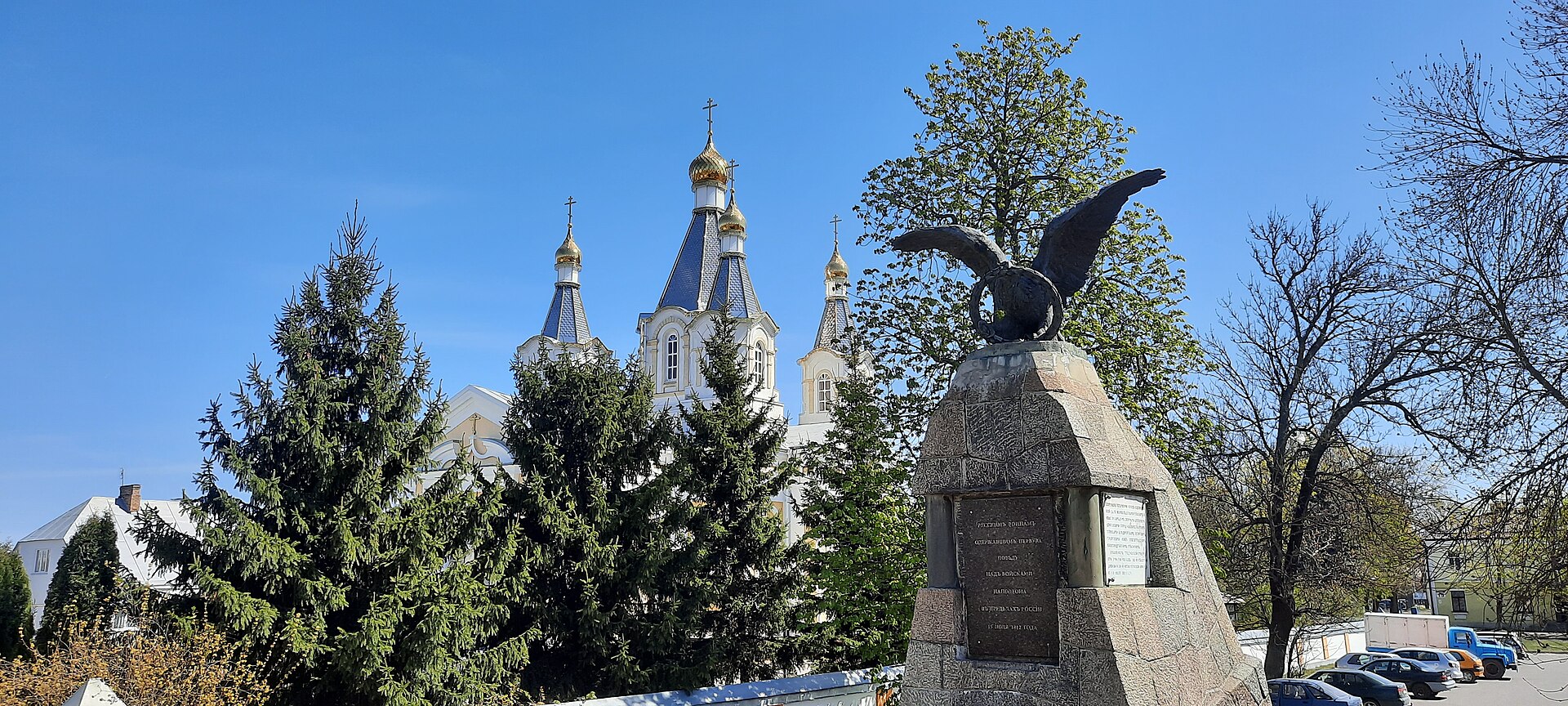
The Alexander Nevsky Cathedral in Kobryn doesn’t shout for attention. Its white walls and golden domes rise above the city, visible from afar, but you have to step closer to feel its presence. It doesn’t compete with the grand cathedrals of capitals—it belongs here, in Kobryn, as if it grew from the ground itself.
Built in 1905, when Kobryn was still under the Russian Empire, the cathedral appeared during a time of upheaval. The early 20th century brought revolution, and even in these borderlands, life was shifting. Local donations funded its construction, and that collective effort shaped its character. The architects followed Orthodox traditions but weren’t bound by them. The facades have modest stucco work, the windows curve in unusual shapes, and the bell tower, though not tall, feels just right in the cityscape.
Inside, the cathedral feels warm rather than grand. High vaulted ceilings let in light, and the space doesn’t press down on you—it invites you to pause. The iconostasis is simple, without heavy ornamentation. The icons aren’t overly gilded; the saints’ faces look almost familiar. Alexander Nevsky, the cathedral’s namesake, stands out. A prince who defeated the Teutonic Knights, he became a symbol of resilience. For Kobryn, a city often caught in wars, the cathedral was more than a place of prayer—it was a reminder that faith endures.
The cathedral has seen hard times. During the Soviet era, it was closed, turned into a warehouse, then a club, and later a museum of atheism. The domes were removed, the crosses taken down. Yet even then, people came in secret to pray or stand in silence. That quiet connection to the past helped it survive. When Belarus gained independence, the cathedral was returned to the faithful. Restoration took years, but today, it looks as if it never decayed.
Now, it serves as both a place of worship and a part of Kobryn’s life. Services, baptisms, and weddings are held here. Visitors can come just to look around or sit quietly. In summer, linden trees bloom around it, their scent mixing with incense. In winter, snow covers the domes, turning the cathedral into something from an old postcard.
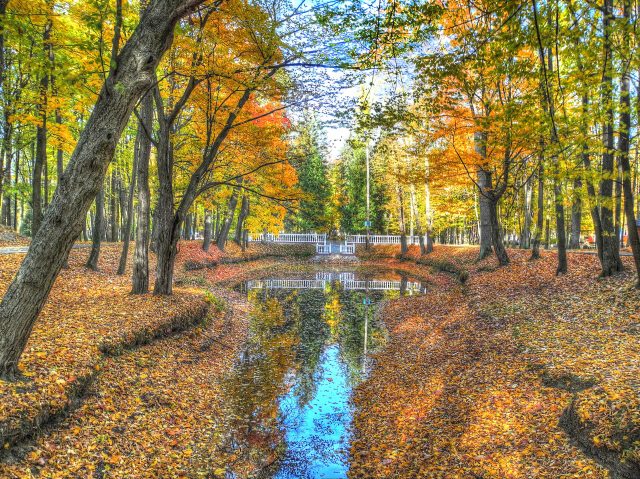
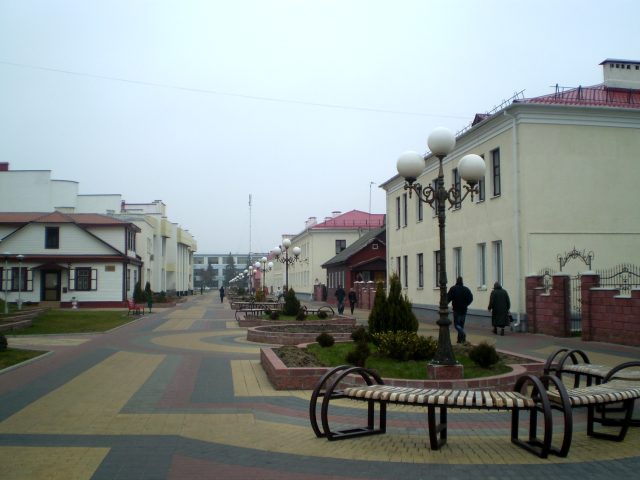
The cathedral doesn’t stand apart from the city. Nearby, old houses have carved window frames, parks are filled with families, and cafés serve tea with local honey. On Sundays, parishioners linger on the steps, children play on the lawn. It’s not just a building—it’s a place where past and present meet.
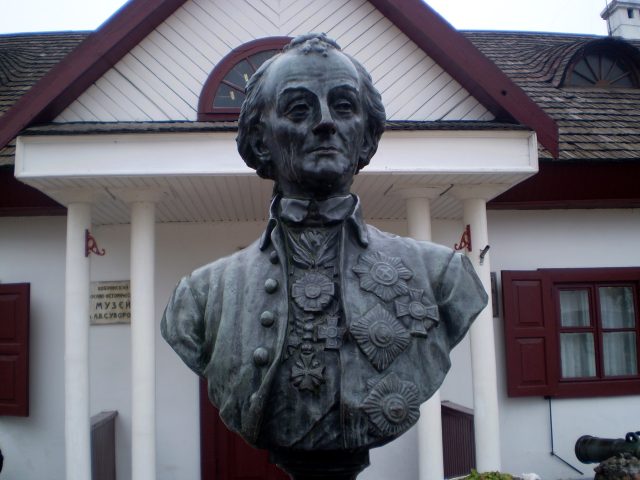
If you’re curious about history, the cathedral is a good starting point. The Suvorov Museum is nearby, as the city is tied to the legendary general. But even without diving into history, wandering the streets around the cathedral is enough. There are no crowds, no rush—just the quiet rhythm of a small Belarusian city.
You don’t need to be religious to feel something here. Step inside, listen to the silence, watch the light through the windows. The cathedral doesn’t demand awe—it simply exists, quietly, as part of the world around it.