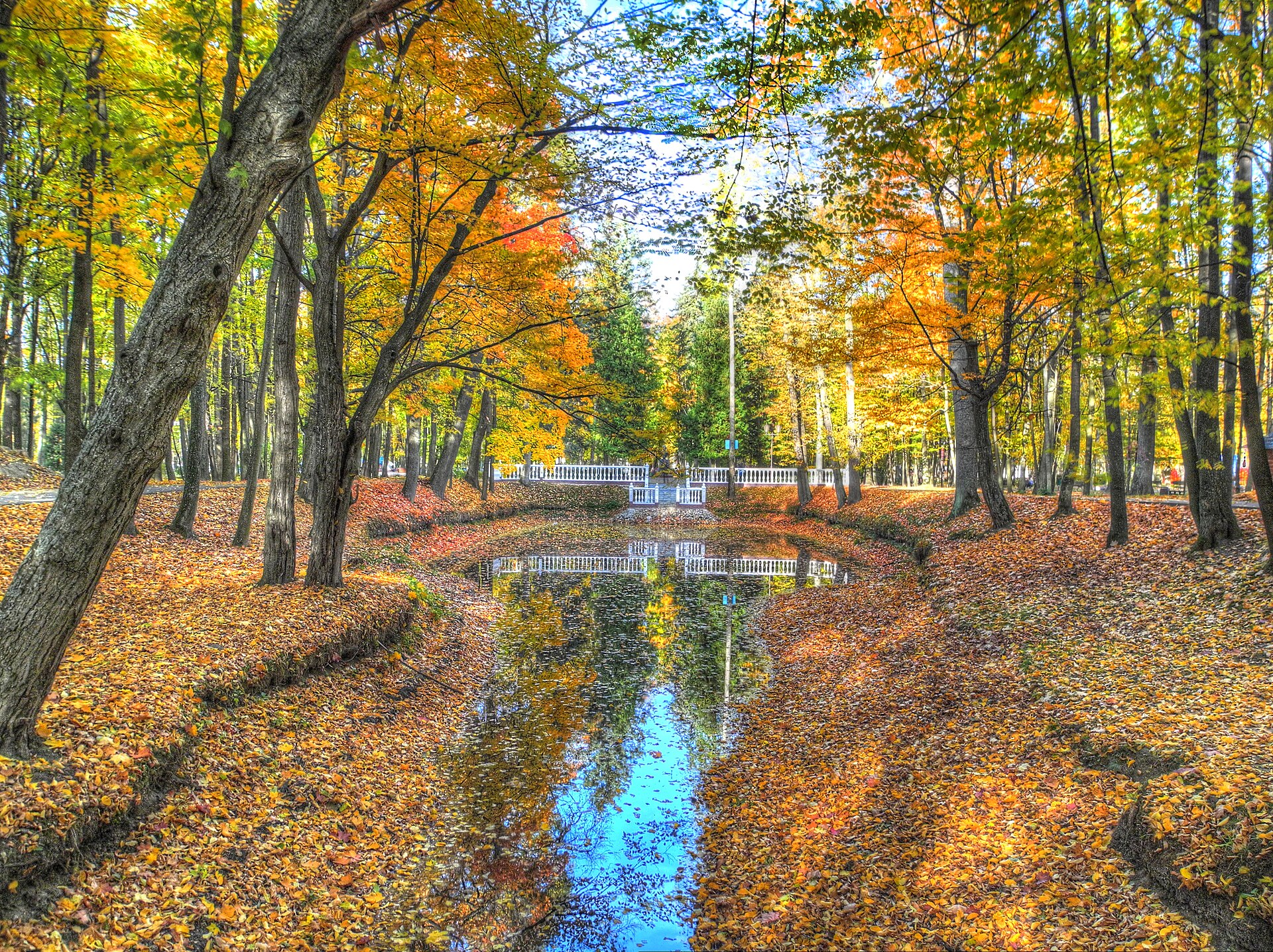
Suvorov Park in Kobryn is one of those rare places where history isn’t confined to museum walls but lingers in the air itself. Stretching along the banks of the Mukhavets River in the heart of the city, it feels like a quiet pocket of time, slightly out of step with the world beyond its borders. The trees here—planted decades ago—have grown into towering oaks and lindens, their branches forming a canopy over pathways that wind toward a small pond. In summer, ducks glide across the water; in winter, the surface freezes into a smooth, reflective sheet. The park isn’t large, but it has an intimate, almost private feel, as if it were someone’s personal garden thrown open to the public.
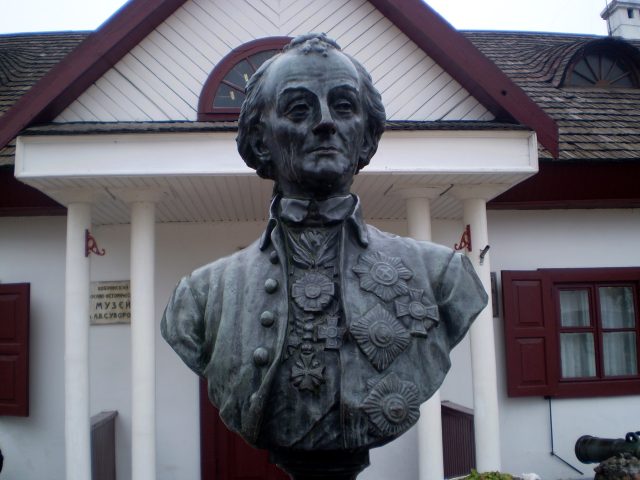
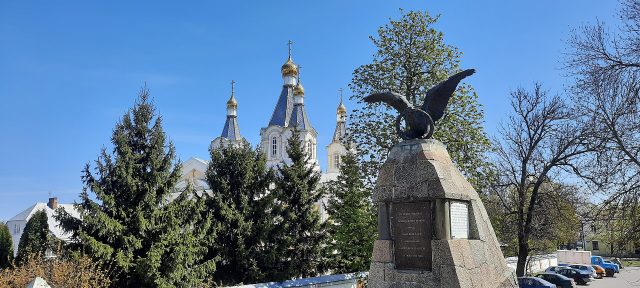
The park takes its name from Alexander Suvorov, the legendary Russian military commander who spent part of his life in Kobryn. In the late 18th century, the town was a modest district center within the Russian Empire, and Suvorov, rewarded for his service with an estate, settled here for a time. Though his stay was brief, it left a lasting mark on the area. A bronze statue of the general stands in the park, dressed in his military uniform, gazing into the distance as if still surveying the land with the eye of a strategist. Nearby, a granite stele bears an inscription recalling how Suvorov wrote some of his military works here in Kobryn.
The park itself came much later, in the mid-20th century, when city officials decided to transform the area into a public space. Trees were planted, walkways laid, and the pond was shaped into its current form. During the Soviet era, it became a beloved spot for locals—families strolled with children, couples met for dates, and festivals were held under the open sky. Over time, some of the infrastructure has worn down, but the park’s essence remains unchanged. Today, it’s less a memorial site and more a living part of the city, where people come not just to honor Suvorov’s memory but to enjoy a quiet moment outdoors.
The park’s design is simple and unpretentious, with no grand architectural flourishes. The main avenue leads from the entrance straight to Suvorov’s statue, while smaller paths branch off, meandering between the trees. Benches line the pond, offering a place to sit with a book or watch the play of light on the water. In summer, small concerts and festivals occasionally take place here; in winter, the pond becomes an impromptu skating rink. There are no flashy attractions or noisy amusements—just a space designed for rest, where the city’s hustle fades into the background.
Beyond its role as a green retreat, Suvorov Park functions as an open-air museum of sorts. Alongside the statue, informational boards tell the story of Kobryn’s past and its connection to Suvorov. One display features old maps of the town; another shows photographs of the estate where the general once lived. The estate itself is long gone, but these glimpses help visitors imagine what Kobryn looked like in Suvorov’s day, when military parades marched through its streets and commands echoed across the training grounds.
For locals, the park is woven into daily life. Mothers push strollers along its paths, retirees take their afternoon walks, and schoolchildren gather here after classes. Summer brings the liveliest scenes—children playing on the grass, teenagers strumming guitars, and elderly men playing chess in the shade. Winter thins the crowds, but there are always a few who brave the cold to walk the snow-dusted paths or glide across the frozen pond. No matter the season, the park exudes a sense of calm, as if preserving the unhurried rhythm of a bygone era.
Kobryn is a small city, and Suvorov Park is one of the places that gives it character. It doesn’t rival the grand parks of capital cities or resort towns, and that’s precisely its charm. There are no tourist crowds, no bustling cafés, no neon lights—just silence, trees, and the river flowing as slowly as it did two centuries ago. To first-time visitors, it might seem like an ordinary urban park, but those who look closer will notice that it holds a piece of history not found in textbooks.
In recent years, the park has seen some updates—new benches, a playground, improved lighting—but its core remains the same. It’s a place where you can be alone with your thoughts or spend time with loved ones without the pressure of schedules or agendas. There’s no need to plan, to rush, or to seek out something specific. Just come, sit on a bench, and watch the light shift, the leaves rustle, the river carry its waters past the old trees. That’s the quiet magic of small-town parks: they don’t dazzle, but they offer something increasingly rare—a chance to pause and simply breathe.