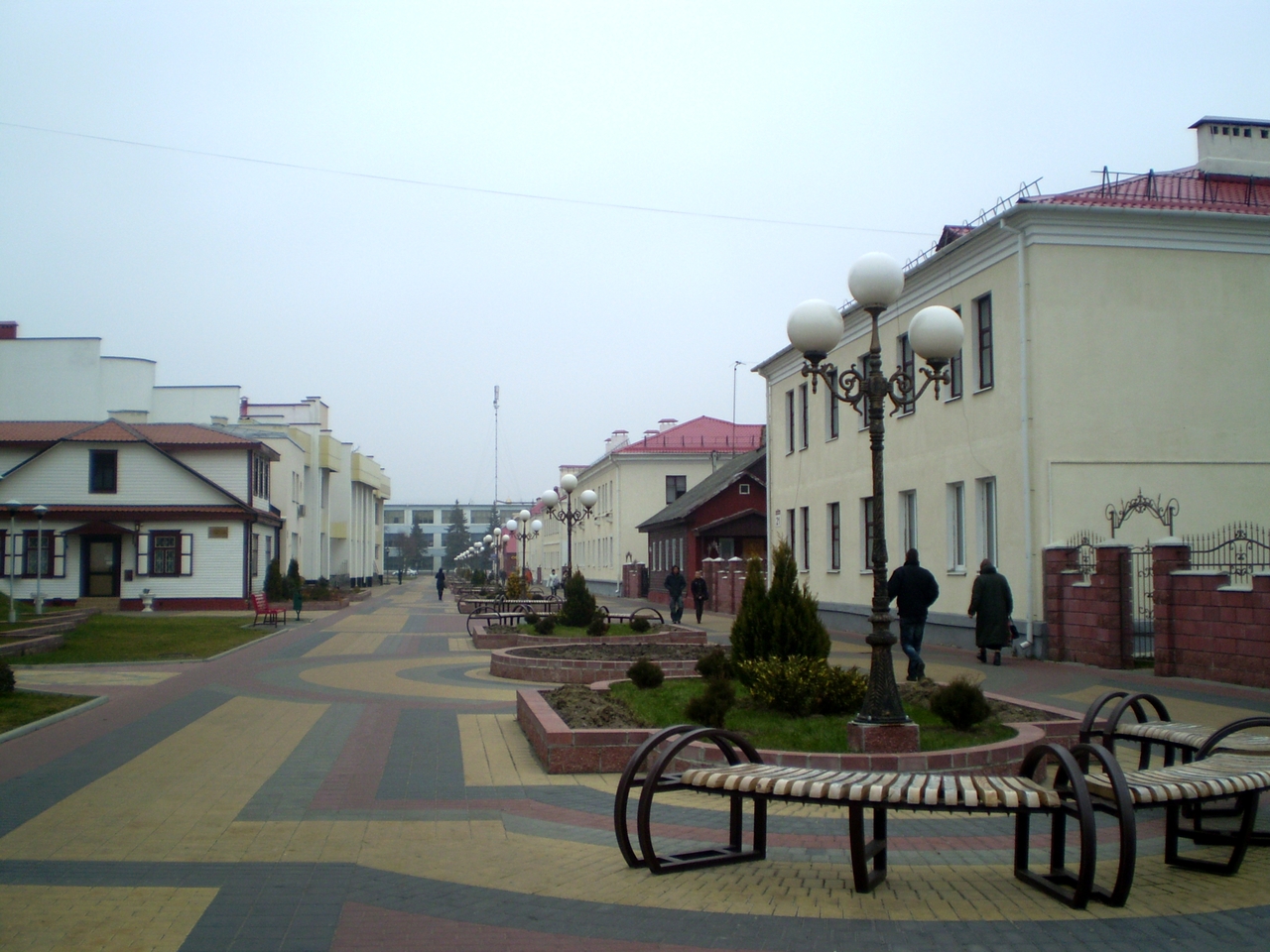
Lenin Square in Kobryn is one of those places where life moves at its own unhurried pace, yet never loses its rhythm. Tucked in the heart of this small Belarusian town, it serves as a quiet crossroads where the city’s main streets converge. The square isn’t grand or imposing, but there’s something comforting in its modest appearance—something that feels almost like coming home. This is where you can sense the pulse of a place far removed from the rush of big cities, where time seems to slow just enough to let you notice the details.
The architecture here tells a story of gradual change. The two- and three-story buildings lining the square span different eras, from neoclassical facades with delicate stucco work to the more austere lines of Soviet-era construction. Some structures still bear traces of pre-war craftsmanship, while others were rebuilt after the destruction of World War II, their outlines preserved to maintain a connection to the past. Together, they create a patchwork of history, each layer visible if you look closely enough.
At the center of the square stands a statue of Vladimir Lenin, one of many that still dot towns across Belarus. It’s not particularly monumental, but it serves as a familiar landmark for locals—a place to meet, a reference point in the daily flow of life. In winter, the area around it transforms into a small ice rink, where children and adults gather for a few hours of skating. In summer, the square becomes a place for leisurely strolls, where people sit on benches, watching the unhurried rhythm of the town.
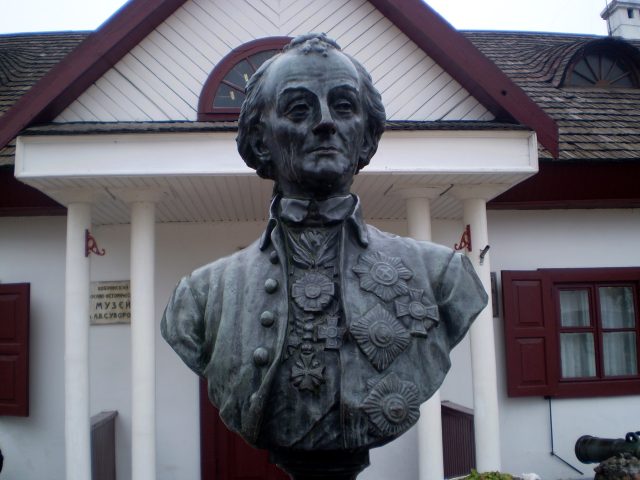
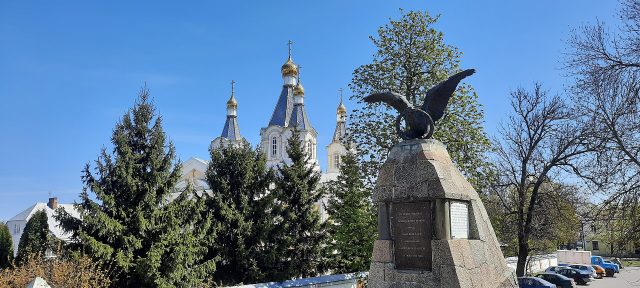
Kobryn is often remembered for its military history, and Lenin Square is no exception. During World War II, the city saw fierce fighting, and much of it had to be rebuilt from ruins after liberation. Some of the buildings around the square were reconstructed to resemble their original forms, ensuring that the past wasn’t entirely erased. Today, memorial plaques and markers scattered throughout the town serve as quiet reminders of those years.
Beyond its historical weight, the square is very much a part of everyday life. In the mornings, small shops and cafés open their doors, offering fresh bread and coffee to early risers. On weekends, families bring their children here, while in the evenings, teenagers gather to chat and pass the time. Occasionally, the square hosts local events—concerts, fairs, or holiday celebrations—when it fills with music and laughter, briefly becoming the heart of the town’s social life.
Kobryn isn’t a major tourist destination, and that’s part of Lenin Square’s charm. There are no crowds, no guided tours rushing past, just the quiet hum of local life. It’s a place where you can wander without purpose, peek into small shops, or simply stand by the statue, reflecting on how this town has changed over the decades. The absence of tourist bustle makes it easier to notice the little things—the way the light falls on the old buildings, the conversations drifting from open windows, the way the square shifts with the seasons.
A few buildings around the square stand out for their history. The former city administration building, now repurposed, and the old hotel that now houses government offices are just two examples. Each has its own story, though not always obvious at first glance. Look closely, and you might spot details like ornate window frames, vintage street lamps, or signs with names that hint at a different time.
What makes Lenin Square special is its unassuming nature. There’s no need to rush, no pressure to see everything at once. You can sit on a bench and watch the town go about its day—people walking to work, children playing, the occasional stray dog trotting past. It’s in these quiet, unremarkable moments that the true character of a place reveals itself, not in grand monuments or staged attractions, but in the simple, everyday life that unfolds around them.