Kobryn’s Castles
Kobryn’s castles aren’t the kind of place you visit for grand ruins or towering walls. What remains today is subtle—fragments of foundations, low earthen ramparts overgrown with grass, and a quiet city park where children play and couples stroll. This understated presence makes the site compelling. There are no reconstructed battlements or tourist crowds, just the faint imprint of a fortress that once stood at the heart of a medieval town.
For those who look closely, the past lingers in the uneven ground, the occasional brickwork peeking through the soil, and the way the land still slopes where moats and walls once ran.
The first fortifications appeared in the 11th century, when Kobryn was a wooden stronghold on a trade route between Brest and Pinsk. Back then, it was a modest settlement, protected by a ditch and a palisade. As the town grew in importance, so did its defenses. By the 14th century, when Kobryn became part of the Grand Duchy of Lithuania, the wooden structures gave way to stone. The castle became a residence for local princes, a center of administration, and a symbol of the town’s rising status. Its layout included a central hilltop keep, surrounded by lower courtyards where stables, workshops, and storage buildings stood.
The 16th century marked the castle’s most vivid chapter. Anna Kobrynska, the last of her dynasty, ceded the town to Queen Bona Sforza, wife of Sigismund the Old. Under Bona’s patronage, new wings were added, gardens were planted, and the castle became her retreat. After her death, wars in the 17th and 18th centuries left it in ruins. Nature and the expanding town reclaimed the land. What was once a stronghold faded into the landscape, remembered only in local lore and archaeological digs.
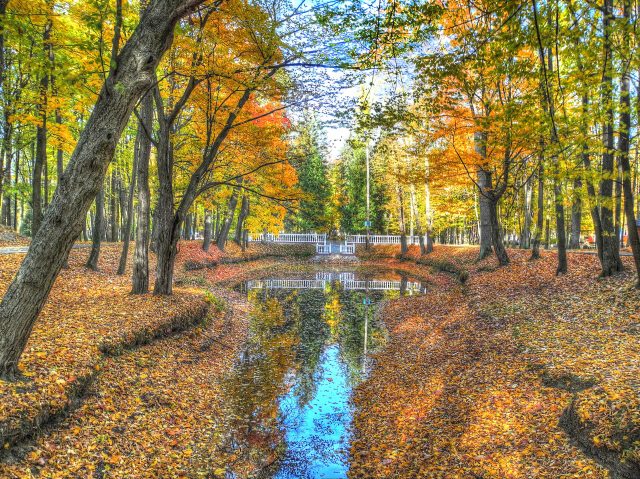
Today, the castle grounds feel like a neighborhood park. The old ramparts are now gentle hills, used for sledding in winter or summer picnics. Information boards scattered around show reconstructions of the fortress at its height, maps of its layout, and its role in the region’s history. The Upper Castle, where the princes lived, occupied the highest point. The Lower Castle housed kitchens, armories, and servants’ quarters. A moat once encircled the complex—now just a shallow depression in the earth.
Kobryn’s castles were unassuming even in their prime. Unlike the fortresses of Mir or Nesvizh, this was never a military powerhouse. Its strength lay in its location on a key trade route. The castle ensured safe passage for merchants, tax collection, and local administration. In peacetime, life here revolved around commerce. The lower town had markets, while the upper halls hosted feasts and political gatherings. The fortress was a hub where deals were struck and laws were enforced.
For modern visitors, the site offers a rare chance to engage with history without restoration or commercialization. No gift shops, no guided tours with costumed actors, no imposed narratives. Instead, there’s space to wander and imagine the clatter of hooves, the murmur of voices, or the scent of woodsmoke. The park’s tranquility makes it easy to slip into the past, especially at dawn or dusk.
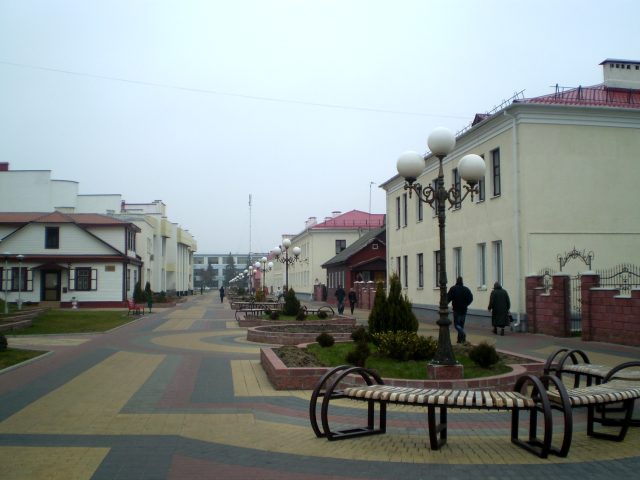
Kobryn is a quiet city where life moves slowly. Its streets are lined with 19th- and early 20th-century buildings, their facades worn but dignified. Near the castle site, you’ll find the old market square, Orthodox and Catholic churches, and merchant houses with ornate wooden carvings. The city has endured fires, wars, and shifting borders. The castles, though reduced to whispers of stone and earth, remain its link to the past.
This isn’t a destination for spectacle. No dramatic vistas or Instagram backdrops. But for those who appreciate history’s quiet corners, Kobryn’s castles offer continuity. The land remembers. The trees, the grass, the air—all seem to hold echoes of the people who walked these paths: princes, peasants, merchants, soldiers. In a world where so much of the past is polished for tourists, this place feels real.