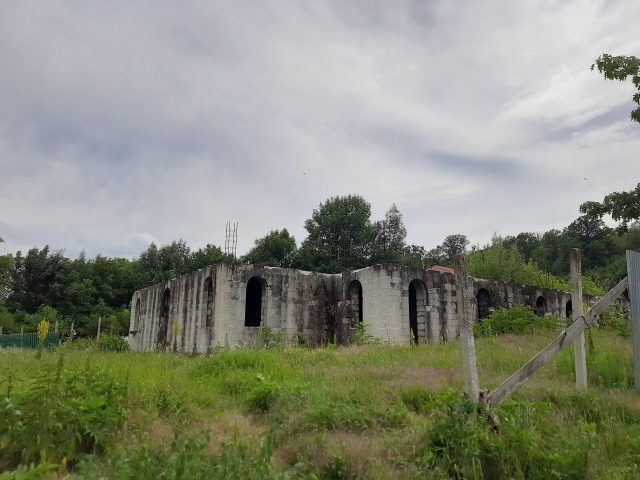
Old Orhei is a place where history isn’t confined to museums. It lingers in the air, etched into the Răut River’s bend, where hills meet forests. Here, layers of time unfold—ancient settlements, medieval fortresses, and the quiet that follows.
The earliest traces of human activity date to the Bronze Age. But Old Orhei’s significance grew in the Middle Ages, when it became the city of Orhei in the Principality of Moldavia. From the 14th to 16th centuries, it stood as a trade hub and fortress, its walls guarding routes between Europe and Asia. Invasions and fires in the late 16th century ended its prominence. The city moved, and Old Orhei became ruins.
Today, remnants of that medieval city remain. Crumbling walls, church foundations, and cave monasteries carved into cliffs tell its story. The Monastery of Saint Nicholas, still active, draws pilgrims. The caves, once monks’ cells, feel untouched—narrow, damp, with low ceilings. Some hold faded frescoes, worn by time and moisture.
Old Orhei’s history isn’t only Moldovan. In the 14th century, Tatars settled here after the Golden Horde’s invasion. They built a mosque, a madrasa, and public baths. Little survives beyond stone foundations, but archaeological digs uncover coins, pottery, and everyday objects. These finds show a place where Christian and Muslim communities coexisted.
The Răut River winds through the hills, shaping a landscape that changes with the light. At sunset, the cliffs glow. The area is home to rare plants and birds, and locals still speak of spirits in the caves.
One legend tells of a Tatar treasure hidden in the cliffs before their retreat. No one has found it.
This isn’t a place for polished attractions. There are no signs, no souvenir stalls, no guides with megaphones. Instead, Old Orhei offers something quieter: the chance to walk paths trodden by medieval traders and soldiers, to touch walls that witnessed cities rise and fall. It’s for travelers who prefer history unfiltered.
Visit in late spring or early autumn, when the weather is mild. From Chișinău, it’s an hour by car or bus. A few guesthouses offer simple stays—mornings begin with birdsong and the scent of wild herbs. Locals serve homemade meals: mamaliga with brined cheese, fresh vegetables, and wine from nearby vineyards.
Old Orhei reveals itself slowly. Explore quietly, talk to a shepherd or a monk. Notice the light on the river, the echo in an empty cave. Here, history isn’t about monuments. It’s about the land and the stories it holds.