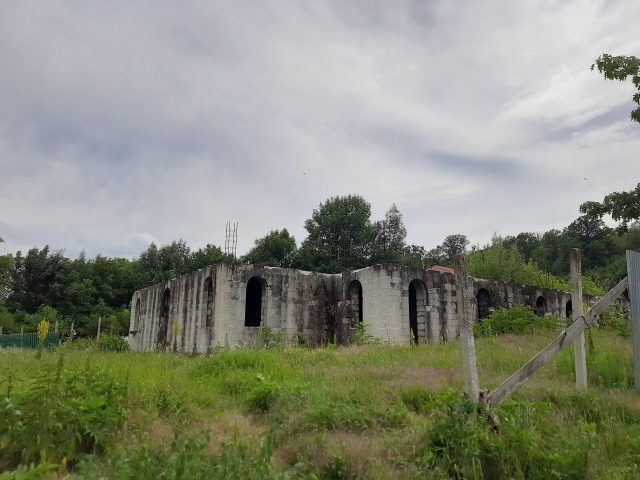
Old Orhei is a place where the past lingers just beneath the surface. Tucked among rolling hills and the Răut River, this site holds the remnants of an ancient settlement and one of Moldova’s most intriguing landmarks—the cave monastery carved into limestone cliffs. It was built for solitude and spiritual refuge, and the quiet here still carries traces of centuries gone by.
The monastery dates back to the 14th century, when these lands were part of the Principality of Moldavia. Monks first came here seeking shelter from raids and conflicts. The cliffs offered natural protection, while the caves provided space for prayer. Over time, the monastery grew: cells, a church, a refectory, and a well were all hollowed out of the rock. The design is simple because its purpose was devotion, not display.
Inside, the monastery feels like part of the stone itself. Narrow corridors lead to small chambers with low ceilings. The walls are roughly hewn but carry a quiet dignity. The main church, dedicated to the Dormition of the Mother of God, still has faint frescoes. Their Byzantine style is softened by time, but the influence of Moldovan iconography remains clear.
The monastery’s history is uneven. It served as a refuge during wars, was damaged under Ottoman rule in the 16th century, and stood abandoned for long stretches. Monks returned in the 18th century to restore parts of it. Today, it remains an active religious site, though life here moves slowly. There are no crowds, just the rhythm of daily prayers and the occasional visitor.
Beyond the monastery, Old Orhei holds more of its past. The area was once a medieval city, a center of trade and culture. Excavations have uncovered fragments of walls, towers, and residential quarters. The Răut River winds around the base of the cliffs, adding to the sense of timelessness. On clear days, the view stretches across valleys where fields meet forests.
Visiting the cave monastery is about stepping into another era. The path to the cliffs is quiet, the air filled with the rustle of leaves and the call of birds. Inside, the cool stone offers relief from the heat. The monks who live here now are reserved but will share stories if you ask.
Old Orhei invites reflection. Its history isn’t announced—it’s in the wind, the rock, the river. You feel it in the weight of centuries. Whether you wander the ruins, sit on a cliffside, or watch the light shift across the monastery walls, it stays with you. This is a place for those who value quiet, the unspoken, and what endures.