Tripoli’s Old City doesn’t give up its secrets easily. Minarets rise above narrow lanes where the scent of fresh bread mixes with spices. Footsteps echo under vaulted ceilings of caravanserais. This isn’t a place you visit—it’s one you experience, where history lives in the worn stones underfoot and the quiet rhythm of daily life.
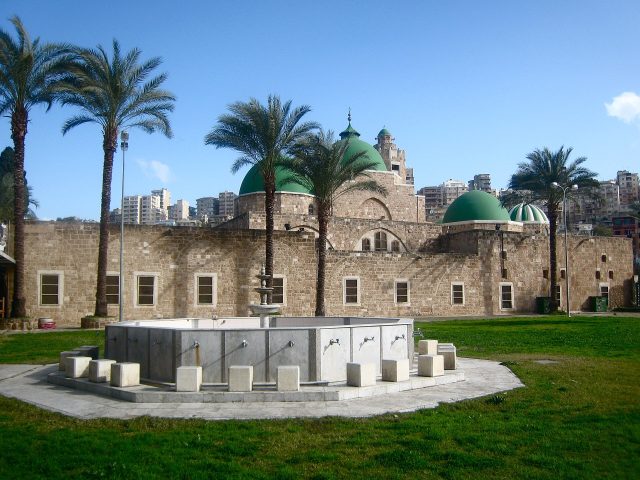
The architecture here was shaped by many: Phoenicians, Romans, Byzantines, Arabs, Crusaders, Mamluks, and Ottomans. The Mamluk era left the most visible marks—madrasas, mosques with carved stonework, and fountains covered in mosaics. The Great Mosque stands where a Crusader basilica once did. Its minaret, topped with stalactite designs, overlooks the city, showing how closely faiths and eras have intertwined.
Cobblestone streets wind past houses with wooden balconies. Artisans work in small workshops—coppersmiths hammering vessels, weavers making rugs, soap makers boiling olive oil. The souks sell ancient coins and spices. Khan al-Saboun, built in the 17th century, still feels like a medieval bazaar, though the goods have changed.
Tripoli sits on the Mediterranean coast. In the Middle Ages, merchants from Damascus, Aleppo, and India passed through its port. Shipbuilders constructed vessels for trade and war. Standing by the harbor today, you can almost see the ships being loaded, hear voices in different tongues, and watch the docks crowded with people from all over.
The Old City is alive because of its people. The descendants of those who built its mosques and caravanserais still live here. In the mornings, schoolchildren hurry to class. Women carry baskets of groceries. Elderly men sit on benches, talking. By evening, children play in courtyards. The scent of hookah smoke and conversation drift from cafés. Time moves slowly here.
What stands out are the small things. A courtyard with a trickling fountain and jasmine in the air. A wooden door with a tarnished brass handle, hinting at what’s behind it. There are no set routes—each visitor finds their own way. Some watch a woodcarver work. Others buy fresh bread from a bakery. A few sit on mosque steps, watching the city pass by.
Tripoli isn’t like Beirut, with its nightlife, or Beiteddine, with its palaces. It’s quieter. It doesn’t try to impress. It simply exists, holding onto its past while living in the present. That’s why it draws those who want a slower pace, where history isn’t just remembered but lived.
The Old City isn’t just a place to visit. Here, past and present blur. Locals and visitors become part of its story, even briefly. When you leave, you take something with you—not just memories, but the sense of a place where time moves differently.