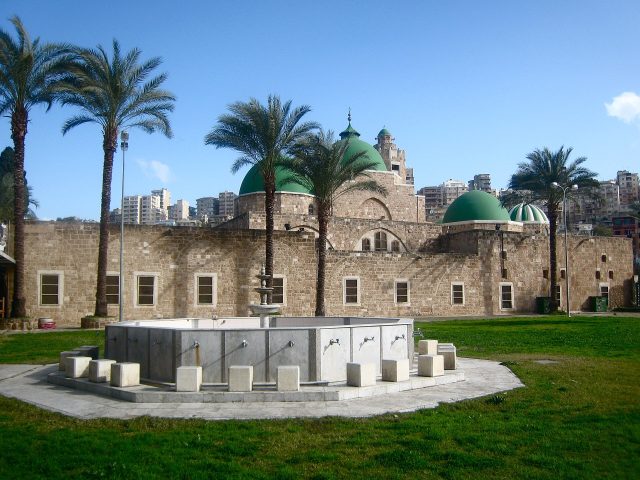
Perched on a hill in the heart of Tripoli’s old city, the Citadel of Tripoli is where history lingers—in the worn stones underfoot and the light that falls across its walls. From its heights, the fortress overlooks narrow streets and flat-roofed houses, a view unchanged for centuries. This was once the nerve center of the Levant, shaping trade, politics, and culture. Today, it stands as a monument to that past, offering a perspective that ties together layers of time.
The layers beneath your feet
The citadel’s origins stretch back to antiquity, though what you see now is the result of reconstructions. The earliest records place its foundations in the Byzantine era. Its current form took shape under the Crusaders in the 12th century, when Tripoli became the capital of the County of Tripoli. The Mamluks seized the city in the 13th century, rebuilding and expanding it. Later, the Ottomans added mosques, barracks, and other structures, each layer leaving its mark.
The massive walls, built from rough-hewn blocks, contrast with later additions of smaller stones and brick. The entrance, once guarded by a tower whose remnants still loom overhead, leads into vaulted halls, underground cisterns, and the remains of living quarters. The central courtyard offers a sweeping view of the city and the Mediterranean. This space was once the stage for decisions that shaped the region.
One feature stands out: the network of underground passages. Local lore speaks of secret tunnels leading to the sea or neighboring fortifications. Archaeologists have confirmed some subterranean routes, but their purpose remains debated. Were they escape routes or supply lines? These hidden corridors add a sense of mystery, letting you imagine whispers echoing through the dark.
A living part of the city
The area around the citadel buzzes with activity—vendors selling spices and handmade crafts, children darting across the steps, elders gathering in the shade. Inside the fortress, exhibitions and cultural events breathe life into the ancient stones. Even on quiet days, there’s always something to discover.
You can wander along the ramparts, watching the city unfold below. Or sit on a bench, tracing the shifting shadows across the weathered walls.
Why it endures
Tripoli is a city of contrasts, and the citadel embodies that. Arab, Ottoman, and European influences intertwine here, impossible to separate. The fortress has witnessed the rise and fall of empires, the ebb and flow of religions, and the shifting tides of power. Yet it remains a constant, a silent witness to the city’s evolution.
Visiting isn’t like ticking off another tourist attraction. There are no crowds, no pushy guides. The best times to come are early morning or late afternoon, when the light turns the stones golden. The experience lingers, not as a memory of ruins, but as a connection to something enduring. The citadel doesn’t just tell stories—it lets you step inside them.