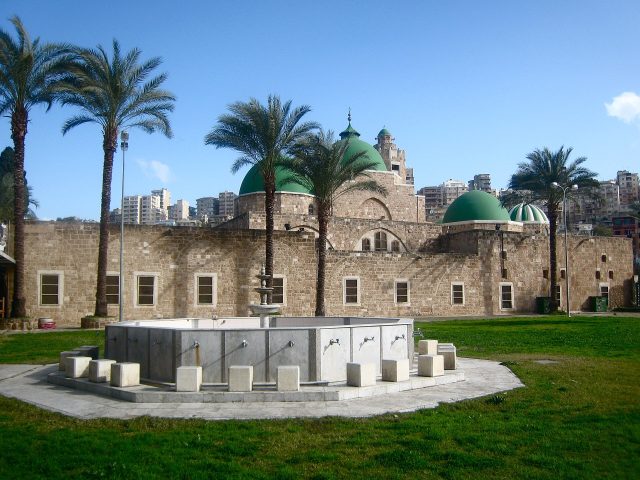
Perched above Tripoli, Mont Pèlerin is a place where history lingers. The hill has watched over the city for centuries, its slopes offering a view of the Mediterranean, the old port, and the streets below. The name means "Mount of Pilgrims," though who built the fortifications here and when remains unclear. What is certain is that this was always a place of strategic importance, a witness to the rise and fall of empires.
The ruins of the crusader fortress at the summit are modest. The walls, built from local stone, have crumbled in places, and the towers that once stood tall are now low mounds. There’s no grandeur here—just the raw, weathered remains of history. That simplicity is what makes Mont Pèlerin distinct. It’s a place where you can walk without crowds, where the past is tangible in the uneven stones underfoot and the scent of the sea carried by the wind.
Tripoli has long been a crossroads of trade and culture. In the medieval era, its markets were filled with merchants, its harbor with ships, and its workshops produced textiles and glass. Mont Pèlerin was part of that world, not just as a military stronghold but as a symbol of power. Built in the 12th century during the Crusades, the fortress was a key outpost of the County of Tripoli. When the Mamluks took the city in the 13th century, the fortress lost its military role but remained as a marker of history’s shifts.
Today, Mont Pèlerin is a quiet retreat from the city. From the hill, Tripoli unfolds: the old neighborhoods, the minarets, the palm trees, and the sea. The best time to visit is at sunset, when the light softens and the city below glows. Locals sometimes come here for picnics or to escape the heat, but it never feels busy.
Walking among the ruins, you notice the layers of history. The stones carry traces of Byzantine, Arab, and European influences. There are no signs or plaques—just the ruins themselves, worn by time. Most historical sites are restored, but Mont Pèlerin is different. It’s unfiltered, a place where the past isn’t presented but simply exists.
This isn’t a place for those seeking a quick photo or a checklist of sights. There are no guided tours or gift shops. What you find instead is something quieter: a connection to a place that has seen centuries of change. The lack of fanfare is part of its appeal. Mont Pèlerin doesn’t try to impress; it just stands as it has for hundreds of years.
Tripoli is full of history—its madrasas, hammams, and the Khan al-Khayyatin, once a caravanserai. Nearby, the fortress of Saint-Gilles is another remnant of the Crusader era. But Mont Pèlerin feels different. It’s a place for those who prefer to sit and watch the light change over the city, to imagine the lives that once passed through these stones.
Like many historical sites in Lebanon, Mont Pèlerin is fragile. The ruins are eroding, and preservation is difficult. But for now, the hill endures. Visiting it feels like stepping outside of time, touching something real. In a world where so much is curated, places like this remind us that history isn’t just read—it’s felt.