Fisch’s Old Town feels like a place where time has paused, leaving behind the quiet rhythm of a Switzerland that existed long before the tourist trails. The narrow cobblestone streets wind between houses with wooden balconies and tiled roofs, their steep slopes dusted with snow in winter and dappled with shade in summer. There’s no rush here, no crowds jostling for the best photo spot—just the unhurried pace of a town that has always been more concerned with its own stories than with impressing visitors.
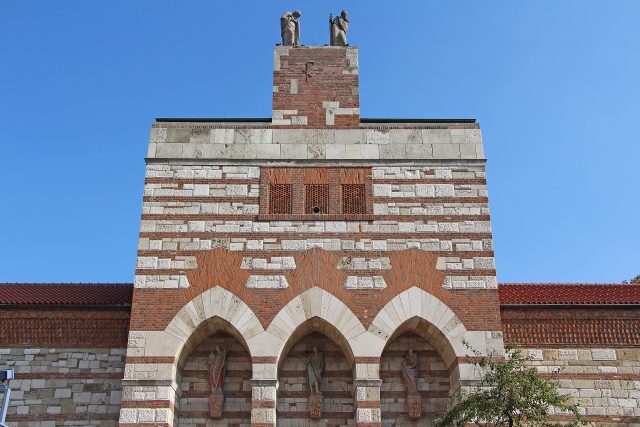
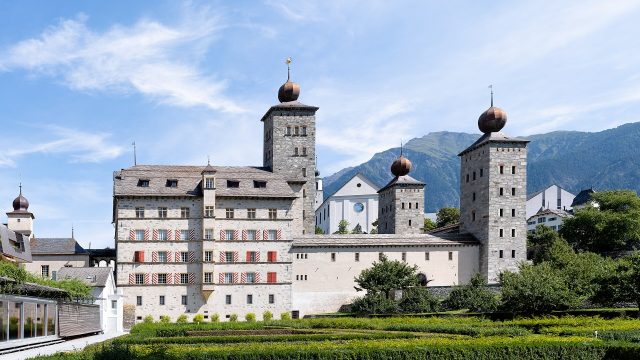
The architecture tells those stories in stone and timber. Most of the buildings date back to the sixteenth and eighteenth centuries, when Fisch served as a trading post along the Alpine routes. The facades are adorned with faded frescoes and intricately carved shutters, while arched doorways bear the coats of arms and inscriptions of a time when the town governed itself. The old town hall, with its tall clock tower, was once the meeting place of the city council. Now, it stands as a quiet reminder of a past when Fisch was more than just a sleepy backwater.
The streets twist and turn without apparent logic, as if laid out by chance rather than design. In the Middle Ages, this wasn’t an accident. Narrow passages were easier to defend, and the tightly packed houses helped retain heat through the long winters. Today, those same streets create an atmosphere where it’s easy to imagine merchants unloading goods, farmers leading their livestock, or townspeople hurrying to market. The past doesn’t feel distant here—it lingers in the worn steps and the creak of wooden shutters.
Fisch hasn’t always been Swiss. Over the centuries, it changed hands between the House of Savoy and the Bernese canton, caught in the shifting tides of Alpine politics. The Old Town doesn’t wear its history on its sleeve, but if you look closely, you’ll notice the contrasts: Gothic windows on one building, Baroque doorways on another. Each era left its mark, layering the town with quiet reminders of the people who once called it home.
Unlike the polished tourist hubs elsewhere in Switzerland, the Old Town is still very much alive. Flowers spill from window boxes, bicycles lean against doorways, and the scent of fresh bread drifts from bakeries. In summer, small markets set up in the squares, selling local cheeses, honey, and handmade crafts. Winter brings a hush, broken only by the distant chime of church bells and the crunch of snow underfoot.
The Church of St. Martin, built in the thirteenth century, has seen countless renovations but still retains its medieval character. Inside, faded frescoes depict scenes from the lives of saints, and a carved Gothic altar stands as a testament to the craftsmanship of another age. The bell tower rises above the rooftops, its chimes marking the hours for a town that moves at its own pace.
A walk through the Old Town is a chance to step into that rhythm. There are no guided tours here, no souvenir shops clamoring for attention. Instead, you might stumble upon a tiny shop selling hand-knit woolen socks or a bottle of local wine, or find yourself in a café where the mugs are chipped and the walls are lined with old photographs. The people who live here aren’t performing for visitors—they’re just going about their lives, as they have for generations.
Fisch doesn’t try to be anything other than what it is. It doesn’t need grand gestures or polished facades to draw people in. The town simply exists, carrying its history in its streets and buildings, in the way the light falls on the cobblestones and the way the air smells of woodsmoke in the evening. That’s why it’s worth seeing—not because it’s spectacular, but because it’s real.