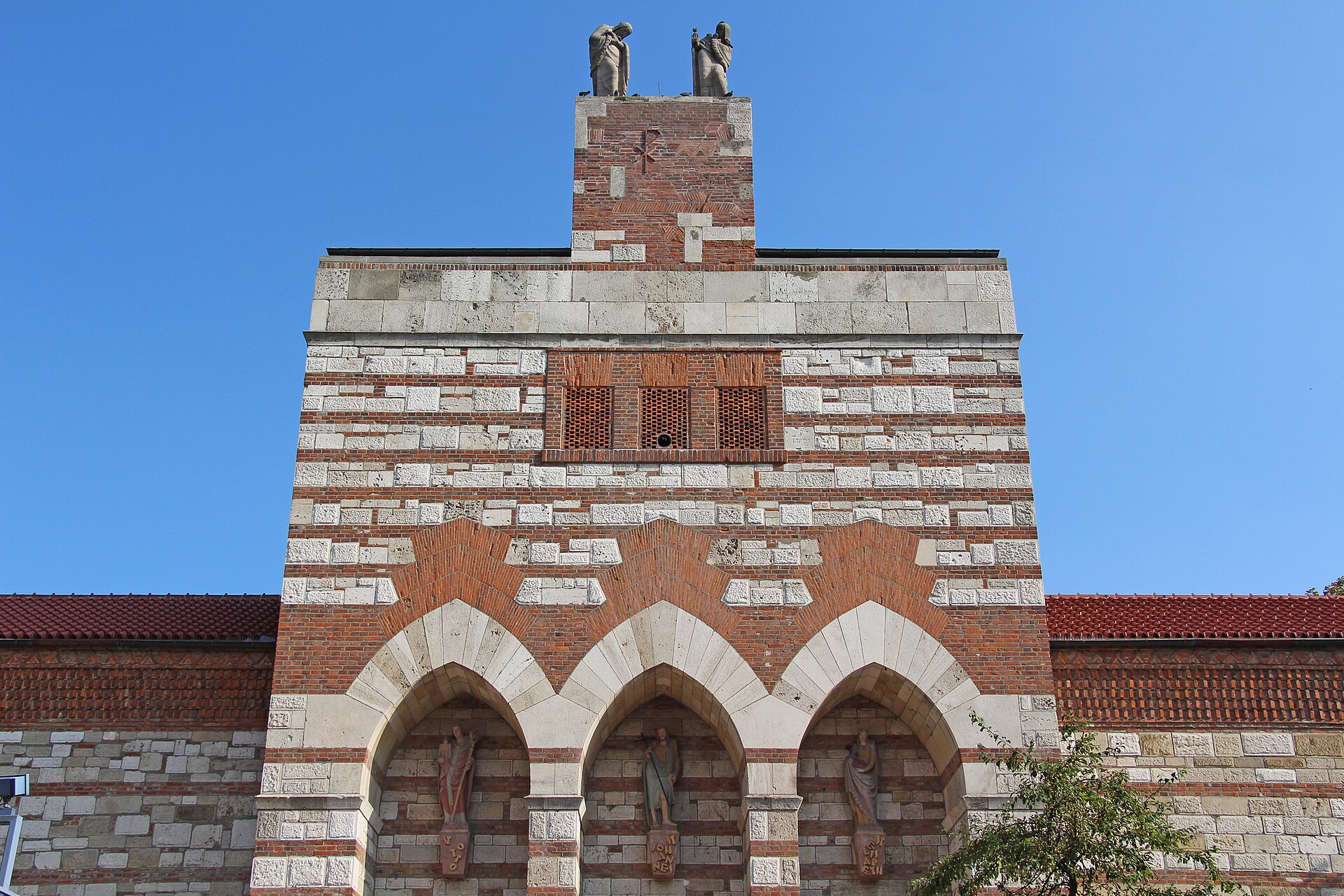
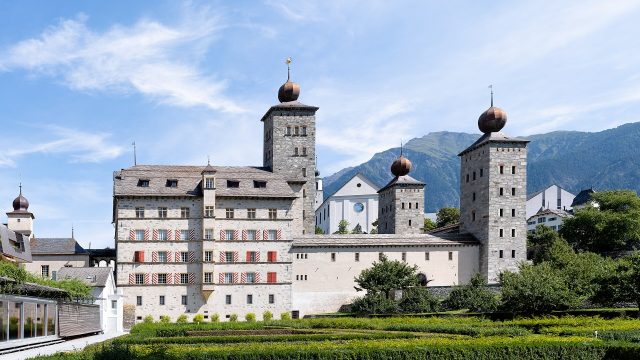
St. John the Baptist Church stands on a gentle rise above Fisch, a village in Valais. The mountains around it are steep, the valley narrow. The church doesn’t compete with the landscape—it belongs to it. Built from local stone, its walls are the same gray as the cliffs above. The roof is low, the bell tower short. There’s no ornament, no attempt to impress. It’s a place that has always been here, and that’s enough.
Fisch isn’t on the tourist maps. It’s the kind of village where the post office is also the grocery store, where the bus comes twice a day, and where the only sound after dark is the river. People live here because the land is good, not because it’s famous. The church is part of that life. It’s where children are baptized, where couples marry, where the dead are remembered. It doesn’t need visitors to justify its existence.
The first records of a parish in Fisch are from the 13th century. Before that, there was probably a chapel—something small, built when the valley was still wild. In those days, Valais was poor. Winters were long, summers short. The church was the center of everything: the place where news was shared, where disputes were settled, where people gathered when the snow came early. It was built to last, and it has.
The walls are thick, made from slate quarried nearby. Inside, the air is cool and still. The pews are wooden, worn smooth by generations of hands. The altar is simple, the icons faded. The ceiling is the only decoration—a folk painting of biblical scenes mixed with alpine life. You’ll see shepherds with their flocks, farmers with their scythes, saints with halos. It’s not art meant for museums. It’s art meant for this place, for these people.
The bell tower is short but solid. The bells still ring, though not as often as they once did. They used to warn of avalanches, fires, floods. Now they mark the hours, call people to mass, toll for the dead. On a still day, you can hear them in the next village. It’s one of those sounds that feels like it’s always been there.
There are no guided tours here. No gift shop, no audio guide, no plaque explaining the history. If you want to know more, you’ll have to ask someone. The priest might tell you about the frescoes. A local might point out their grandparents’ names on the gravestones. Or you can just sit. The light through the windows is soft, the silence deep. It’s the kind of place where you can hear your own thoughts.
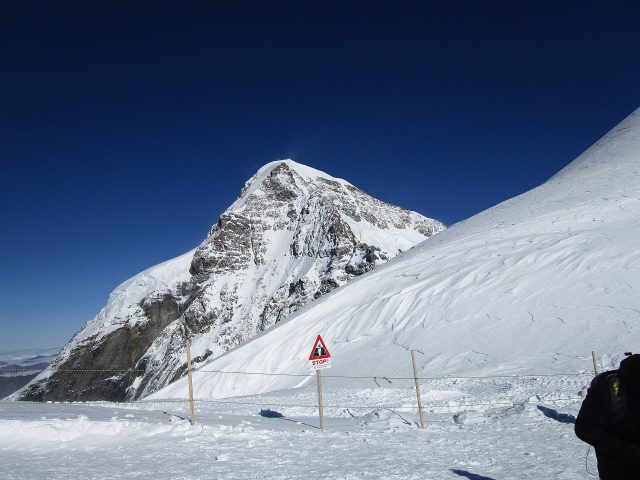
From the church, you can see the Rhône Valley. In summer, the meadows are green, the cows wear bells. In winter, everything is white. There are trails leading up into the hills—past waterfalls, past alpine lakes, past old stone barns. One path goes through the cemetery. The gravestones are tilted, the names half-worn away. Some are from the 1800s. Some are newer. They all tell the same story: people who lived here, worked here, died here.
This church has seen wars, plagues, economic crashes. It has seen empires rise and fall. It has seen the valley change, but not much. The road is wider now, the houses have electricity, but the land is the same. The church is the same. That’s why it feels peaceful. It’s not trying to be anything other than what it is—a place of worship, a place of memory, a place that has always been here, and probably always will be.
Some people will find it too quiet. Too plain. Too small. But if you stay for a while, you might start to see it differently. Not as a monument, but as a living thing. A place that breathes with the valley, that holds the stories of the people who built it, who prayed here, who are buried outside. A place that doesn’t need to be grand to matter.