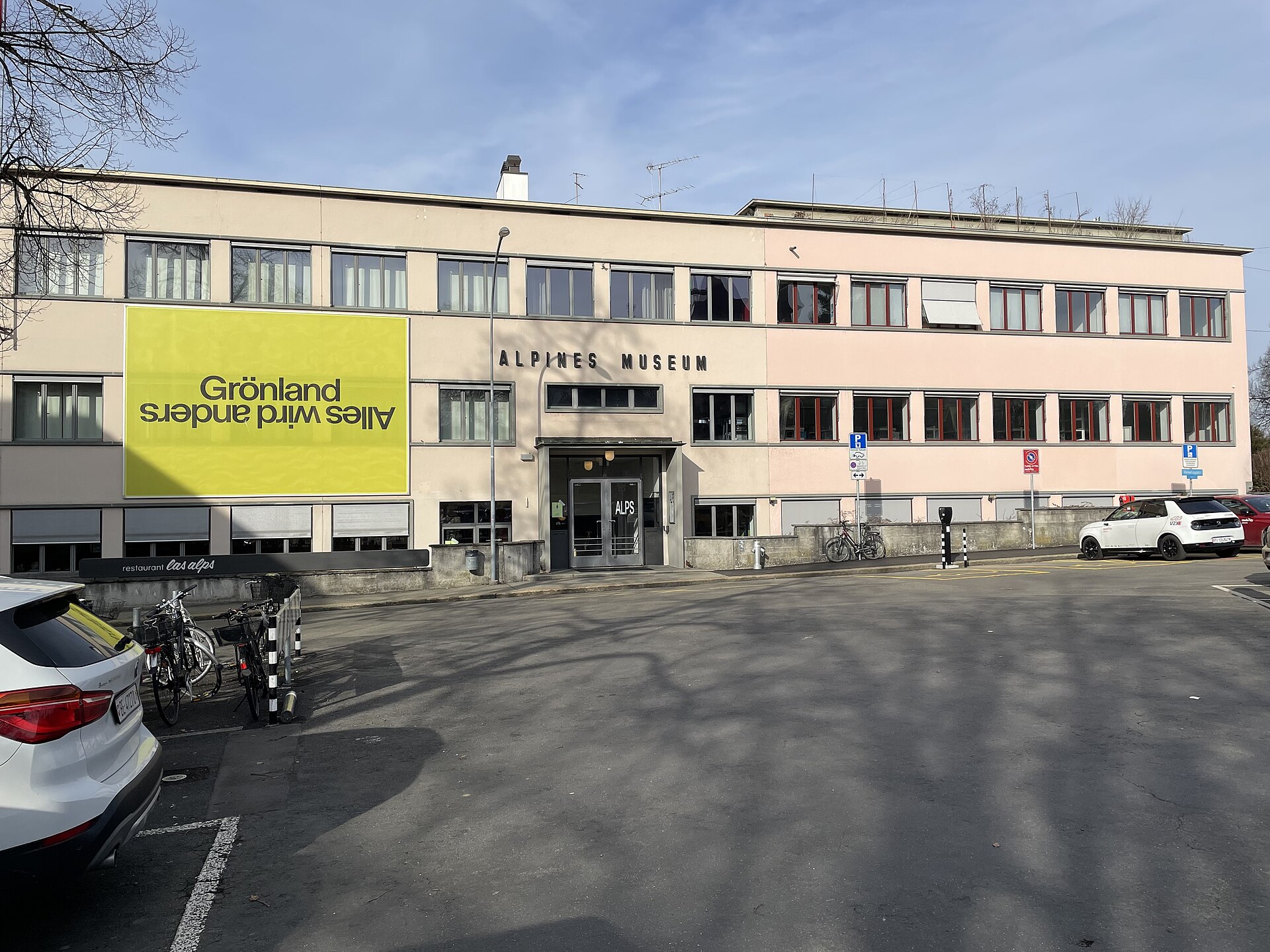
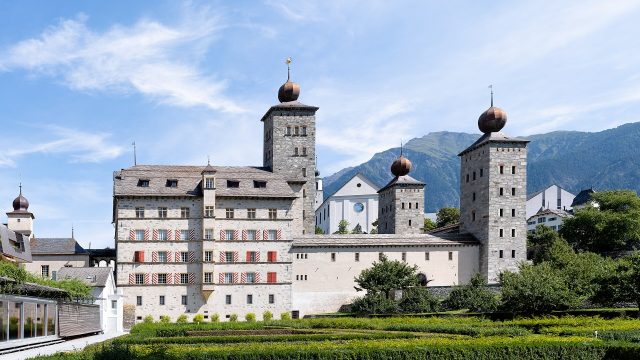
The museum stands in a village where the air is thin and the peaks press close. Here, the Alps are not scenery—they are a way of life. The Alpine Museum in Fiesch collects the objects and stories of those who have lived among these mountains, showing how the land shapes the people and how the people shape the land in return.
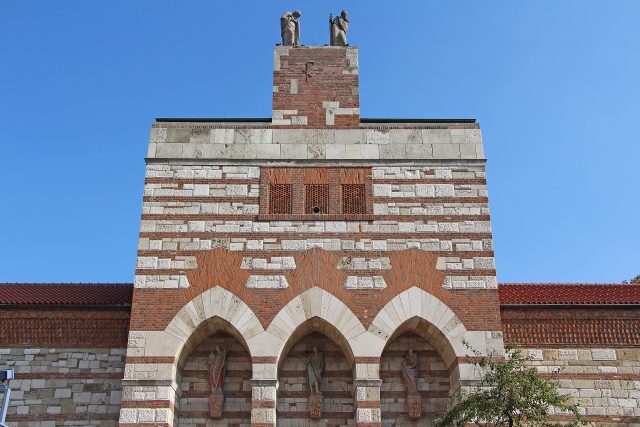
The building is made of wood and stone, built to withstand the same winds and snow that have tested generations of villagers. Inside, the rooms follow the rise of the land: from the valley floor to the glaciers above. One space holds the tools of shepherds; another, the ropes and axes of climbers. There are no barriers between you and the exhibits—just tables and cases that let you see the wear on a miner’s pick or the stitching on a century-old coat.
People have always depended on these mountains. The museum shows how. A case displays the wooden flutes played in remote villages, their sound carrying across valleys before radios or roads. Nearby, a ledger records the names of those who left in search of work, their families staying behind to tend the land. The Alps have been both refuge and obstacle, and the objects here tell that story without words.
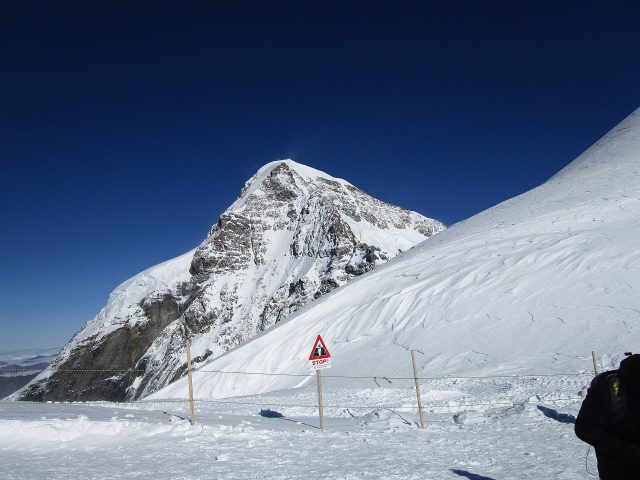
The mountains are still changing. A section explains how glaciers move, carving valleys and leaving behind boulders the size of houses. Another shows the plants and animals that survive here: the ibex climbing cliffs, the marmots whistling in the meadows, the edelweiss clinging to rocky slopes. These are not just specimens—they are proof of life adapting to conditions that would break most others.
Climbing began as a necessity. Early mountaineers carried heavy wool coats and iron spikes, their journals filled with notes on weather and route. The museum keeps these journals open to pages where climbers describe storms that lasted for days or the moment they reached a summit and saw nothing but peaks in every direction. The equipment is here too: the crampons, the ice axes, the frayed ropes. You can almost feel the weight of them in your hands.
A single room holds the interior of an alpine home. The walls are lined with shelves of dried food, the hearth blackened from decades of fires, the windows small to keep out the cold. This was where families lived through winters that lasted half the year, where children grew up hearing stories of avalanches and wolves. The room is quiet, but it speaks loudly.
The museum is not just for visitors. Local artists exhibit their work here, often inspired by the same landscapes that have shaped the region for centuries. There are talks on how the glaciers are shrinking, on how the paths used by shepherds for generations are now disappearing under new growth. These are not distant problems—they are happening now, in the mountains just outside.
You leave the museum and step back into the village. The peaks are still there, unchanged in the way that only mountains can be. But now you see them differently. They are not just a view—they are a place where people have lived, worked, and survived. And they are still shaping the lives of those who call them home.