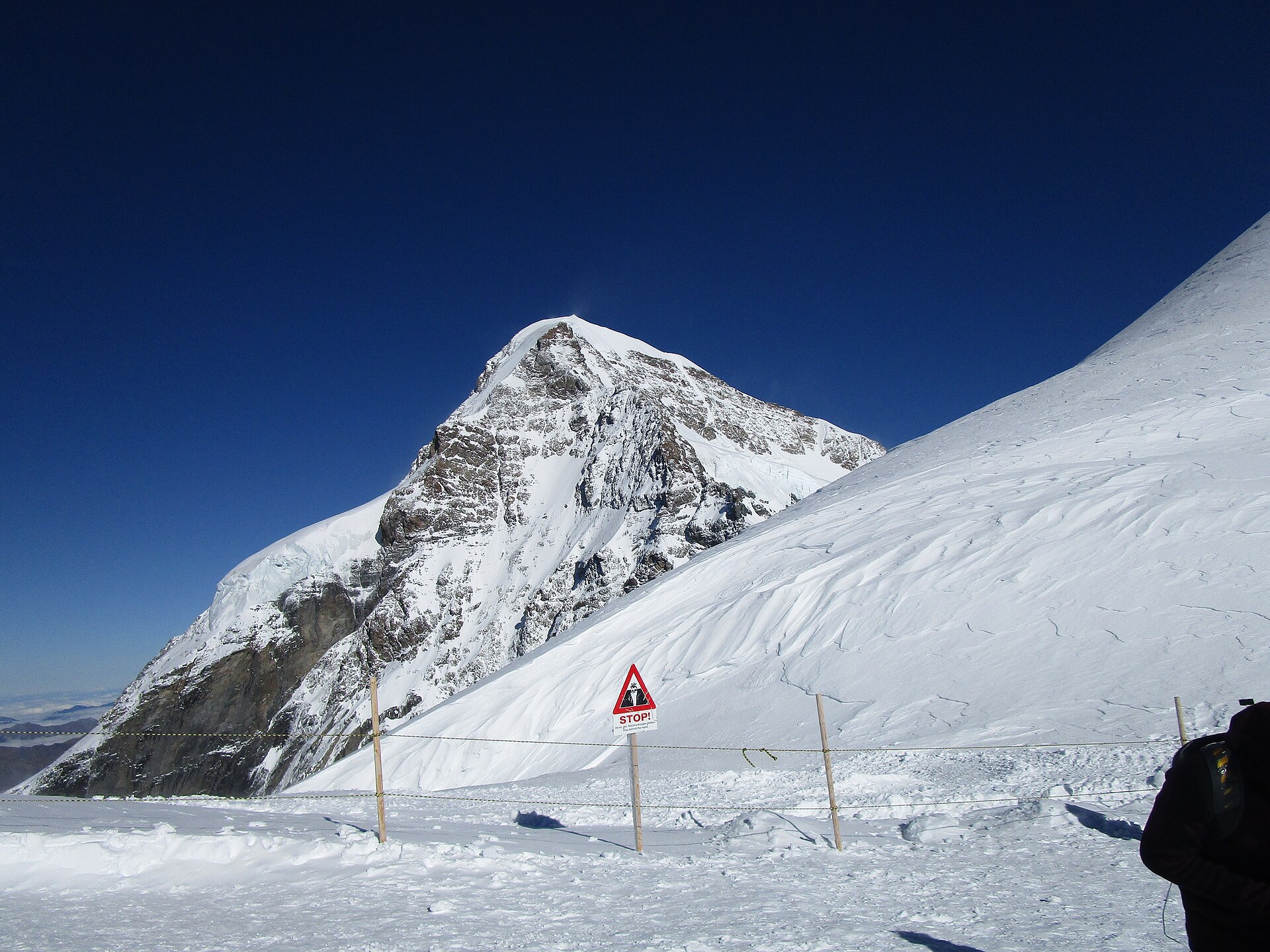
The Aletsch Glacier is a place where nature speaks in silence, its vastness leaving even seasoned mountain travelers in awe. Stretching nearly twenty-three kilometers, it is the largest glacier in the Alps, a frozen river winding down from the heights of the Bernese Alps. Its source lies near the iconic peaks of the Jungfrau, Mönch, and Eiger, where ice and snow accumulate over centuries before slowly creeping downward. The glacier’s surface is far from smooth—cracked by deep crevasses, streaked with moraines, and carved by meltwater streams that weave through the ice like veins. On clear days, the sunlight reflects off its surface so intensely that it forces you to squint, while in overcast weather, the glacier takes on an almost spectral quality, as if it belongs to another time.
This glacier has witnessed the Earth’s climate shift for millennia, its advances and retreats etched into the landscape. During the Little Ice Age in the 19th century, it extended far lower into the valley, its tongue pressing against pastures and forests. Local lore speaks of villages under threat, though no records confirm such disasters. Today, like many alpine glaciers, the Aletsch is shrinking, its retreat monitored closely by scientists studying the future of mountain ecosystems. The changes are subtle but unmistakable—rocks once buried under ice now lie exposed, and the glacier’s edge recedes a little more each year.
Reaching the Aletsch is part of the experience, with each route offering a different perspective. The most accessible path begins at the cable car station in Bettmeralp, where a short ride takes you to Bettmerhorn’s viewpoint. From here, the glacier unfolds in all its grandeur—a vast expanse of blue-white ice framed by jagged peaks and alpine meadows. For those who prefer walking, the Aletsch Glacier Trail offers a multi-day trek along its edge. The journey is demanding, but the reward is a sense of scale that makes you feel small against the immensity of the landscape.
Beyond its sheer size, the glacier is the heart of a delicate ecosystem shaped over thousands of years. The surrounding slopes and valleys are home to chamois, marmots, and alpine choughs, while rare plants like edelweiss and gentians thrive in the harsh high-altitude conditions. In summer, wildflowers dot the meadows, and in autumn, the slopes blaze with gold and crimson. Winter transforms the glacier into part of a vast ski area, drawing visitors who come for the snow and the silence. Yet even in the coldest months, the glacier’s presence is a reminder of nature’s enduring power.
The Aletsch Glacier is more than a natural wonder—it is a UNESCO World Heritage Site, recognized alongside the Jungfrau-Aletsch-Bietschhorn region for its ecological and geological significance. The area is a living laboratory, where scientists study climate change, ice dynamics, and the interplay between geology and life. For visitors, it is a place to step outside the rush of modern life and witness the slow, relentless forces that shape the planet. The glacier’s inclusion in the World Heritage list underscores its global importance, not just as a spectacle, but as a barometer of the Earth’s health.
A visit to the Aletsch is more than sightseeing; it is an immersion in the raw beauty of the high Alps. The air is thinner, the sky closer, and the silence so profound that the only sounds are your breath and the whisper of wind through the rocks. In summer, meltwater streams cascade from the glacier’s edge, feeding the Massa River below. In winter, the ice is buried under snow, its surface smoothed for skiers, though the glacier itself remains a formidable presence. No matter the season, the Aletsch invites reflection on the fragility and resilience of the natural world.
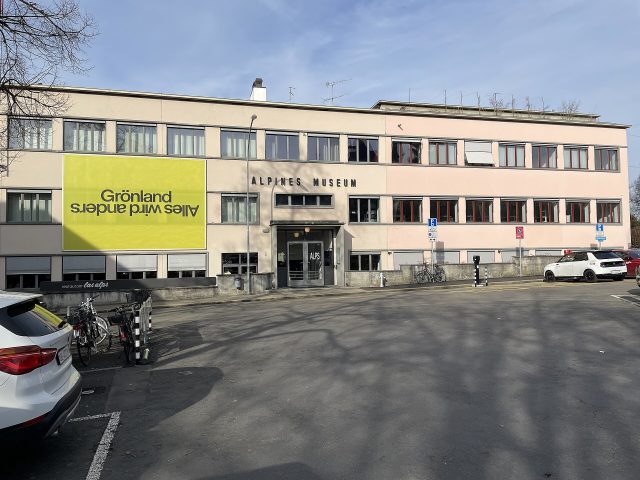
For those who want to delve deeper, the region has information centers in Bettmeralp and Riederalp, where exhibits explain the glacier’s history, geology, and the science behind its retreat. Guided tours sometimes offer insights into the landscape, but the glacier’s majesty needs no explanation. It is a place that lingers in the memory long after you leave, its vastness a humbling reminder of nature’s indifference to human scale.
What draws people back to the Aletsch is not just its beauty, but the sense of solitude it offers. There are no crowds here, no distractions—just ice, rock, and sky. It is a place to disconnect, to stand at the edge of something ancient and unchanging. In a world that moves too fast, the glacier endures, a silent witness to the passage of time.