- Home
- Montenegro
- Bar
- Old Bar
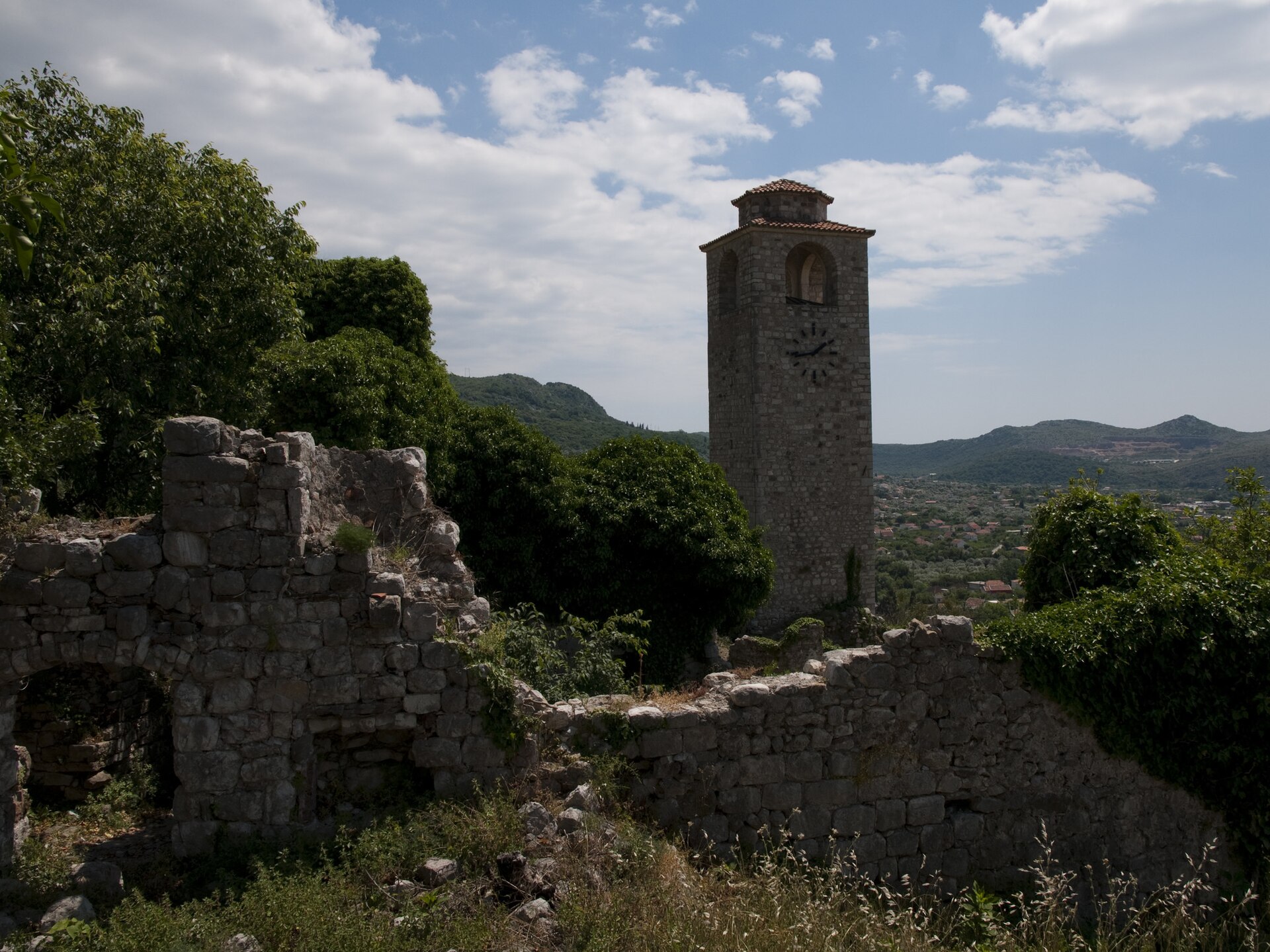
Photo: FAUSTMEPHISTOPHELES, CC BY-SA 4.0
Old Bar
out of 5 0 ratingsOld Bar is one of those rare places where the past doesn’t just linger—it breathes. Perched on the slopes of Mount Rumija, a short distance from the modern town, it feels suspended in time, untouched by the rush of the present. Unlike Montenegro’s bustling coastal resorts, where the rhythm is set by beachgoers and nightlife, Old Bar moves to a quieter pace. The air carries the scent of wild herbs, and the silence is thick enough to hear the echoes of centuries, when this was a thriving hub of trade and culture along the Adriatic.
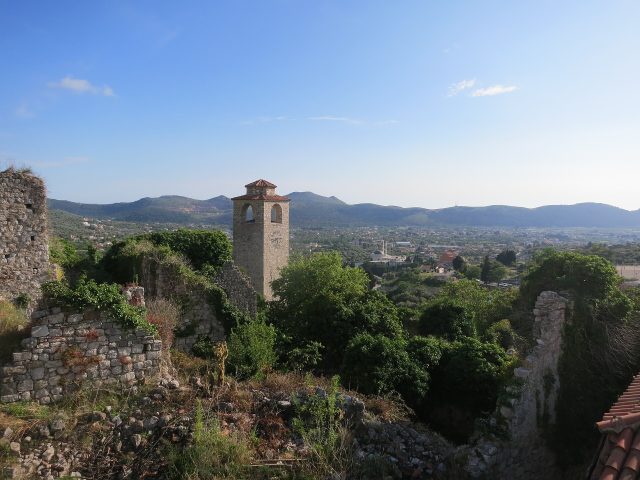
The history of Old Bar stretches back over two millennia, its origins tangled in the stories of the Illyrians, who first settled here in antiquity. Over the centuries, it changed hands like a prized possession—Romans, Byzantines, Venetians, and Ottomans all left their mark, each layer of rule adding to the city’s character. The most visible traces of these eras are etched into the very stones underfoot. Narrow, winding streets, worn smooth by time, weave between crumbling houses where merchants and artisans once lived. Fragments of fortifications, towers, and gates still stand, remnants of a time when Bar was a fortress that defied invaders.
One of the most striking relics of Old Bar’s past is the 16th-century aqueduct, an engineering marvel that once carried water from Mount Rumija’s springs into the heart of the city. Stretching nearly four kilometers, its arched stone structure is still partially intact, a silent testament to the ingenuity of its builders. Walking alongside it, it’s easy to imagine the steady flow of water that sustained the town, a lifeline in an otherwise arid landscape. Today, the aqueduct is one of the few structures that still feels alive, its purpose still legible in the weathered stone.
Venetian influence runs deep in Old Bar, particularly in its architecture. During its golden age, the city was a vital port for the Venetian Republic, a link in the vast trade network that connected the Adriatic to the Balkan interior. The remnants of this era are visible in the arched doorways, ornate balconies, and carved shutters of the old houses. Even in ruin, these details hint at the wealth and sophistication that once defined the city. Faded frescoes, intricate stonework, and the skeletal remains of fountains speak of a time when Old Bar was a place of refinement, where merchants from across the Mediterranean came to trade.
The Ottoman period reshaped the city in subtler ways. Their arrival brought new architectural styles—mosques, hammams, and caravanserais—that blended with the existing Venetian fabric. The most notable survivor is the Summer Mosque, its minaret still standing despite the passage of time. Though now a shell of its former self, it serves as a reminder of how cultures and faiths coexisted here. The Ottomans also introduced new crafts, culinary traditions, and ways of life, some of which still linger in the region’s customs. Even the layout of the streets, with their labyrinthine alleys, bears the imprint of Ottoman urban planning.
The earthquake of 1979 was the final blow for Old Bar. After withstanding sieges and wars for centuries, the city couldn’t resist the force of nature. Entire neighborhoods collapsed, and the survivors gradually abandoned the site, relocating to the modern town below. What remains is a ghostly version of its former self—a city frozen mid-breath, its streets empty, its buildings hollowed out. Yet there’s a strange beauty in the decay. The ruins have a way of revealing their secrets slowly, rewarding those who take the time to explore. Each crumbling wall or overgrown courtyard feels like a discovery, a piece of a puzzle that’s still being put together.
Today, Old Bar is a place for those who prefer history without the crowds. Unlike Kotor or Budva, where tourists flock to snap photos of medieval walls, Old Bar offers something quieter—a chance to step into the past without the distractions of the present. In the summer, the ruins come alive with festivals, open-air concerts, and theater performances, the ancient stones serving as a backdrop for modern creativity. Winter transforms the city into an even more atmospheric place, where mist clings to the ruins and the silence feels almost sacred. It’s easy to lose track of time here, as if the hours move differently within these walls.
Walking through Old Bar is like flipping through the pages of a history book, except the stories aren’t written—they’re embedded in the landscape. Every turn reveals a new perspective: a view of the distant sea, a glimpse of the modern town below, or the jagged outline of the mountains. From the highest point, where the fortress once stood, the panorama is breathtaking. The Adriatic stretches out endlessly, its blue waters contrasting with the rugged terrain. It’s a view that makes you pause, not just for the scenery, but for the weight of the centuries that have passed beneath it.
What makes Old Bar special is its lack of polish. There are no souvenir stands, no guided tours with scripted anecdotes, no cafes blasting music. It’s a place that demands patience, a willingness to wander without a map and let the ruins speak for themselves. The best way to experience it is to sit on one of the weathered stone benches, listen to the wind rustling through the grass, and imagine the sounds that once filled these streets—the shouts of vendors, the clatter of hooves on cobblestones, the murmur of prayers from the mosque. Old Bar doesn’t tell its story; it lets you feel it, in the quiet spaces between the stones.
Day around this place
Where else to go on the same day
Building the day…
Where it is
42.09394, 19.13384