- Home
- Montenegro
- Bar
- Bar Fortress
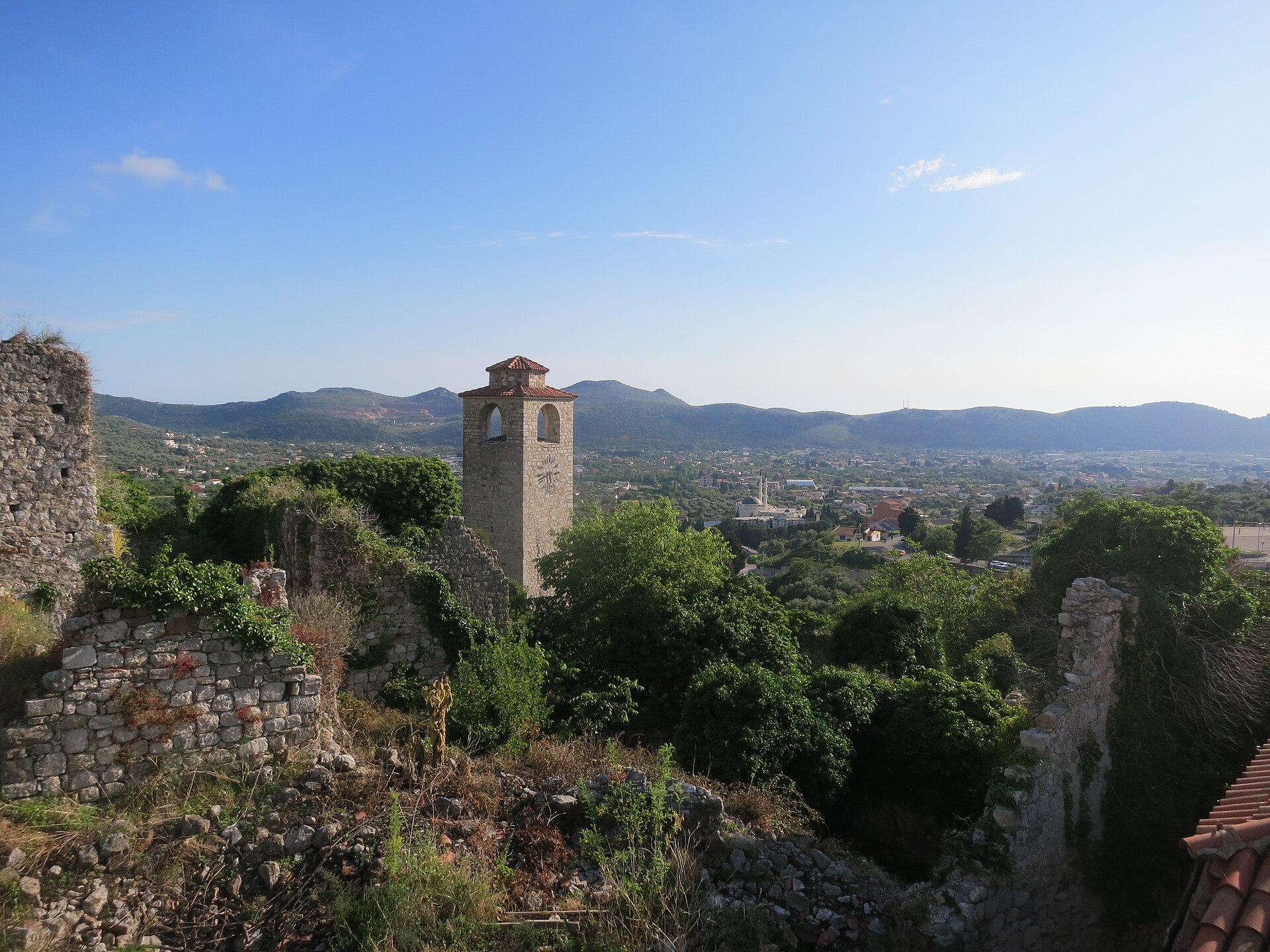
Photo: Fabio Gargano, CC BY-SA 3.0
Bar Fortress
out of 5 0 ratingsBar Fortress is one of those rare places where history isn’t just preserved in stone—it lingers in the air, as if the past still breathes between the ancient walls. Perched on a hill overlooking the modern town of Bar, it watches over the Adriatic coast like a silent guardian, a reminder of the empires, trade routes, and cultures that once clashed here. Today, the fortress isn’t just a monument; it’s a quiet retreat where the sea breeze carries echoes of centuries gone by, and the view stretches from the old town’s winding streets to the distant horizon.
The first fortifications here date back to the 6th century, when the Byzantine Empire sought to defend its territories from invaders. But what stands now is largely the work of later eras. During the Middle Ages, Bar became a key stronghold under Serbian rule before falling into Venetian hands, who transformed it into an almost impregnable bastion. The Ottoman period brought even more dramatic changes, as the fortress was repeatedly rebuilt to meet the demands of warfare. The final blow came in the late 19th century, when Montenegro fought for independence, leaving the walls scarred but still standing, their grandeur undiminished even in ruin.
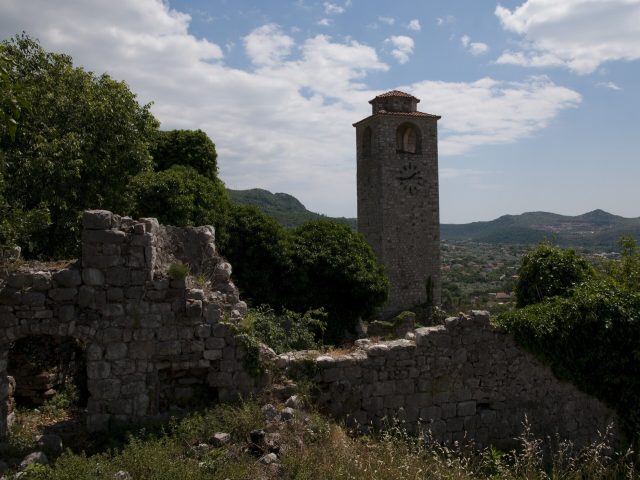
Walking through the fortress is like flipping through the pages of a history book written in stone. Byzantine walls stand beside Venetian towers, while Ottoman reinforcements blend with later Montenegrin modifications. The most striking feature is the massive citadel, its thick walls and narrow arrow slits once offering a commanding view of the surrounding land and sea. Inside, the remains of living quarters, storerooms, and even a mosque hint at a time when the fortress wasn’t just a military outpost but a self-sufficient world of its own. The upper terraces, where cannons once stood, now offer a place to pause and imagine how this place has changed over the centuries—how empires rose and fell, and how the people who lived here saw the world.
Unlike more famous European fortresses, Bar’s stronghold doesn’t draw crowds. There are no guided tours shouting through megaphones, no souvenir stalls cluttering the pathways. Instead, it’s a place for slow exploration, where you can wander through the labyrinth of stone, climb half-collapsed towers, or simply sit on a bench and listen to the wind. On clear days, the view is breathtaking—the Adriatic stretching endlessly, the modern town of Bar sprawling below with its beaches and cafés. The contrast between the ancient walls and the life beyond them makes it feel as though time moves differently here, as if the past and present exist side by side.
The best moments at the fortress come at dawn or dusk, when the light softens the stones into warm gold and the shadows grow long and mysterious. It’s easy to picture the people who once lived here—soldiers keeping watch, merchants haggling in the courtyards, craftsmen shaping tools in the workshops. The fortress doesn’t try to impress with grandeur or opulence; its charm lies in its quiet persistence. It doesn’t demand attention but simply exists, a tangible link to the past that feels almost alive.
For anyone curious about Montenegro’s history, Bar Fortress is essential. It offers a glimpse into why this small region, caught between empires, was always so strategically important. Here, the ambitions of Byzantium, Venice, the Ottomans, and finally Montenegro collided, leaving behind layers of stories in every stone. Even without diving into the details, the fortress makes history feel immediate—not as something distant, but as a living part of the land. The battles, treaties, and daily lives of those who called this place home are still present, if you know where to look.
Restoration work is underway, but carefully done to preserve the fortress’s authentic character. Some walls have been reinforced, and a few informational signs have been added, but the place retains its sense of timelessness. There are no flashy exhibits or tourist traps, just the quiet hum of the wind and the distant sound of waves. That’s part of its appeal—it’s not a polished attraction but a place where the past feels raw and real.
If you find yourself in Bar, take a moment before heading to the beach or a café. Walk up the hill, pass through the old gates, and give yourself time to simply be there. You might not uncover every secret of the past, but you’ll leave with something deeper—a sense that history isn’t just something you read about. It’s here, in the stones beneath your feet, in the salt on the breeze, waiting to be noticed.
Day around this place
Where else to go on the same day
Building the day…
Where it is
42.09328, 19.13538