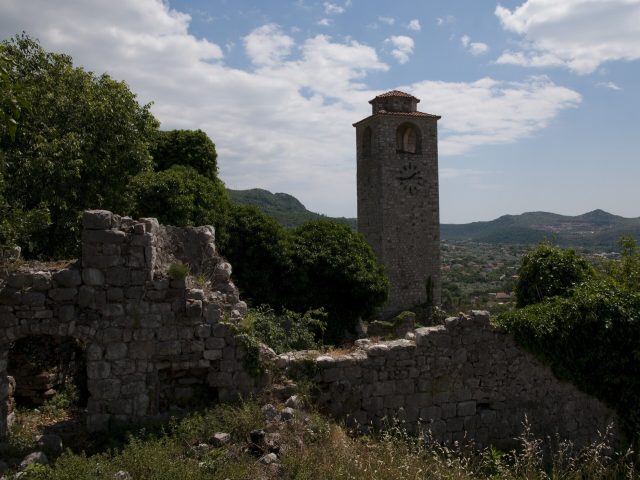
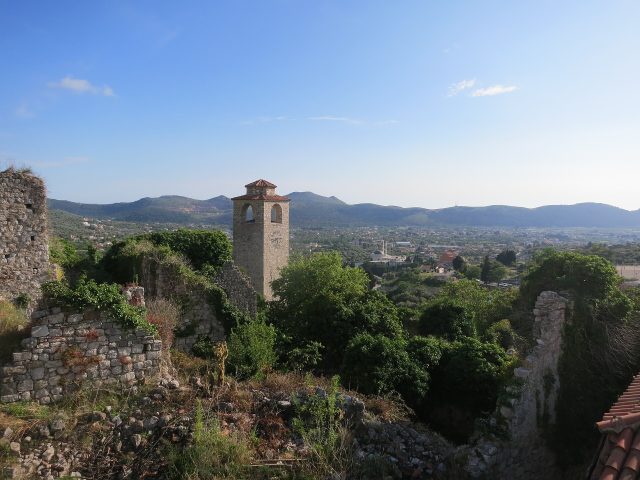
The Archaeological Museum in Bar is where history doesn’t just sit behind glass—it lingers in the air. The city is a layered chronicle of civilizations: Illyrians, Romans, Byzantines, Venetians, and Ottomans all left their mark here. The museum occupies a former bishop’s palace, built in the late 19th century after Bar was reclaimed by Montenegro following centuries of Ottoman rule. The building has thick stone walls, high ceilings, and heavy wooden doors.
The collection spans millennia, from prehistoric times to the late Middle Ages. The oldest artifacts—stone tools, pottery shards, and bronze jewelry—were found along the Bar Riviera and surrounding hills. They belonged to Illyrian tribes who lived here before recorded history. Ancient coins minted in Roman colonies along the Adriatic show trade networks that once connected these shores to the Mediterranean.
A hall focuses on the early Christian period, when Bar became a key center for the spread of Christianity in the Balkans. Fragments of mosaics, column capitals, and tombstones inscribed in Latin and Greek are displayed here. The remnants of a 6th-century basilica, discovered in Old Bar, stand among them. Bronze crosses and ceramic oil lamps show how the first Christians lived and worshipped.
The medieval era is well-represented. Bar was a city-state that shifted between Venetian rule and independence. Weapons, armor, and official seals document these changes. Venetian coins with the lion of Saint Mark symbolize the Republic’s influence. Clay pots, keys to the city gates, and tools of local craftsmen reveal daily life in a place that traded and defended itself constantly.
The Ottoman period is preserved through household objects, coins, and documents. Copper coffee pots, ceramic pipes, and carved wooden panels from mosques are on display. Ottoman decrees and trade agreements, written in flowing script, show how life changed under the sultan’s rule. These artifacts reveal how people adapted to new customs and rulers.
The museum also includes finds from across Montenegro. Artifacts from Dioclea, a Roman city near Podgorica, let visitors compare different settlements. Coastal discoveries highlight the Adriatic’s role as a crossroads of Mediterranean cultures. This broader perspective shows how Montenegro’s past was shaped by its geography.
The former bishop’s palace adds to the experience. Its vaulted ceilings, arched doorways, and wrought-iron window grilles feel like a time capsule. Fragments of frescoes and plasterwork hint at its past grandeur. Walking through the halls, you can almost see the clergy, merchants, and soldiers who once passed through.
The Bar Archaeological Museum is quiet and unassuming. It’s not crowded or overly polished. You can wander at your own pace, linger over details, and let the past unfold. The exhibits aren’t flashy, but that’s their strength—they let the artifacts tell the story. If you leave wanting to explore Old Bar’s crumbling streets, where every stone seems to hold a memory, the museum has done its job. It doesn’t just show history. It makes you feel it.