- Home
- Montenegro
- Bar

Bar
Montenegro · 8 places
Photo: Московская духовная академия, CC BY-SA 2.0
Bar feels like a place where time has paused, between the sea and the mountains. It doesn’t try to be like Montenegro’s more famous coastal towns. There are no crowded beaches or neon-lit promenades here. Instead, there’s a rhythm to life, shaped by the scent of pine forests, the salt in the air, and the echoes of old trade routes that once connected the Adriatic to the Balkans.
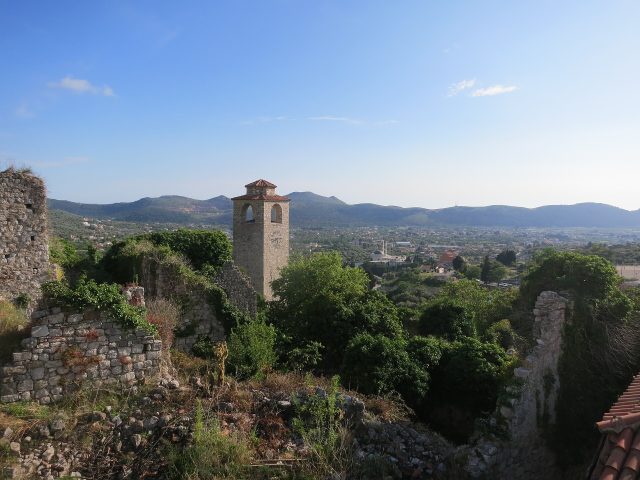
The layers of history are visible in Stari Bar, the old town a few kilometers inland. Its walls and narrow alleys tell stories of empires—Byzantine, Venetian, Ottoman—each leaving their mark on the same stones. Churches stand near mosques, their frescoes and minarets showing the many lives this place has seen. Down by the port, ferries dock and fishing boats bob in the water. This was once a medieval hub where salt, olive oil, and wine changed hands, and the air still carries that sense of trade.
The waterfront is lined with cafés and seafood restaurants. The catch of the day is served with local wine, and evenings stretch out under strings of lights. In summer, visitors come for quiet. Winter brings deeper stillness, broken only by gulls and waves. The beaches here aren’t as famous as those in Budva or Herceg Novi, so they stay peaceful—pebbled coves shaded by pines, where the water is clear.
The mountains around Bar offer escape. Trails wind through forests to abandoned villages and monasteries, where the only sounds are wind and church bells. Nearby gorges hide waterfalls and caves. From higher peaks, the view stretches over the sea, vast and shimmering. For those who prefer to move, Bar is a starting point—whether for a hike through Lovćen National Park or a swim in the Crnojevića River.
Bar doesn’t perform. There are no grand hotels or tourist traps, just the steady pulse of a place that exists for itself. The people live quietly, the seasons change, and the landscape stays as it is. Maybe that’s why it lingers—not as postcard moments, but as something deeper, like a place that has always been.
Eat & Drink
3 places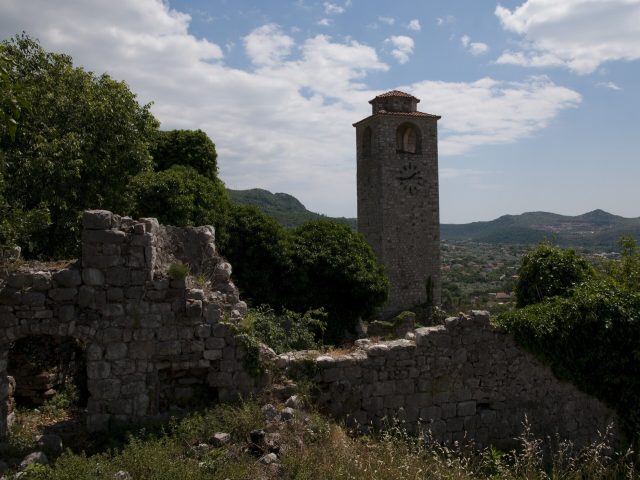
Places on the map
Marker colour follows the categoryClimate and weather
Detailed weather: Bar- Average temperature
- 18 °C
- Precipitation per year
- 1362 mm
Average air temperature
°C
10
11
13
16
20
25
27
27
23
19
15
12
Jan
Feb
Mar
Apr
May
Jun
Jul
Aug
Sep
Oct
Nov
Dec


