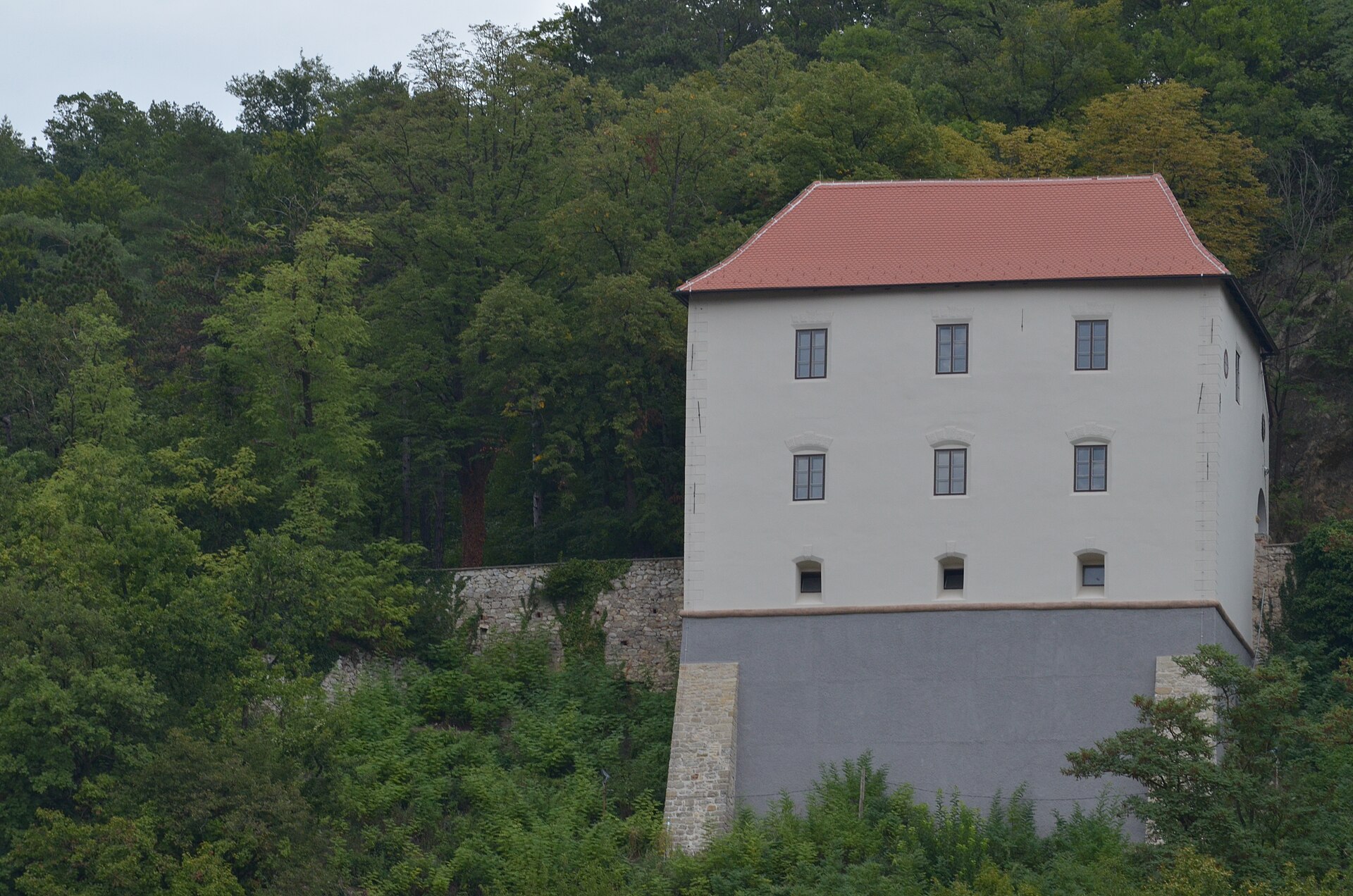
Perched on a gentle hill above the town of Krapina, the medieval castle stands as a quiet sentinel over the valley carved by the Krapina River. Its weathered stone walls, softened by creeping ivy, have witnessed centuries of shifting borders, forgotten battles, and the slow passage of time. Unlike the more famous fortresses along Croatia’s Adriatic coast, this one remains largely untouched by mass tourism. There are no crowds here, just the rustle of leaves in the breeze and the distant echo of footsteps on cobblestones—sounds that have lingered for generations.
The castle’s origins trace back to the 13th century, when this region was part of the Hungarian-Croatian kingdom. The first written records mention it in 1311, though it’s likely that some form of fortification existed here even earlier. The hill’s strategic position made it too valuable to ignore, and over the centuries, the castle changed hands countless times. Feudal lords, bishops, and noble families like the Keglević and Erdődy clans all left their mark, each adding to or reshaping the structure. What remains today is a patchwork of those influences, a physical record of the people who once ruled these lands.
Walking through the castle, you can see how different eras shaped its architecture. The oldest part, a Romanesque tower from the 13th century, still exudes a stern, defensive character—its thick walls and narrow windows built for war, not comfort. Later, during the Renaissance, the fortress took on a more refined appearance. Arched windows, colonnaded courtyards, and even the faint outlines of a small garden hint at a time when the castle was as much a residence as a stronghold. Baroque elements, like ornate portals and faded stucco, arrived later, though much of their former grandeur has since worn away. Time and conflict have left their scars, but the castle’s resilience is part of its charm.
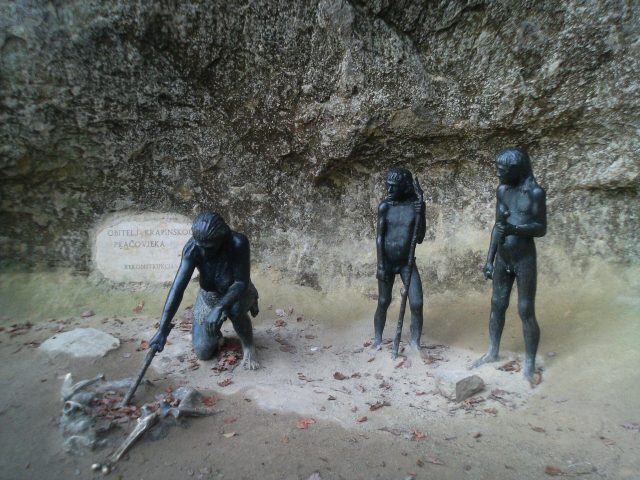
Inside, the castle now houses a modest museum dedicated to the history of Krapina and its surroundings. The exhibits are small but intriguing, offering glimpses into the past through archaeological finds, antique weapons, household items, and documents that tell the stories of those who lived here. One section is devoted to the Neanderthals, whose remains were discovered in the nearby hills—some of the most significant finds of their kind. Yet the castle itself is the main attraction. Wandering its halls, climbing its narrow staircases, and peering through arrow slits feels like stepping into another era.
From the castle’s upper terrace, the view stretches over Krapina and the rolling hills beyond. The town below is a quiet cluster of red-tiled roofs, winding streets, and the spire of St. Nicholas Church, which has stood for centuries as a counterpart to the fortress. Beyond the town, the gentle slopes of Zagorje unfold—green, undulating, and dotted with vineyards and old manor houses. In summer, the landscape is especially lush, the air thick with the scent of wild herbs and ripe fruit. It’s a place that invites slow exploration, where every path seems to lead to another layer of history.
This castle isn’t a grand royal palace or a tourist hotspot. There’s no pomp here, no crowds jostling for the best photo. Instead, there’s a sense of stillness, as if the very stones remember the voices that once filled these halls. You can almost hear the clatter of armor in the corridors, the murmur of a feast in the great hall, or the distant sound of peasants gathering in the courtyard to pay their dues. And, of course, there are the quieter stories—the ones whispered in tower rooms, where captives might have waited for ransom or lovers met in secret. Castles like this one are full of such tales, even if they’re never written down.
Today, the castle isn’t just a relic of the past. In the warmer months, it comes alive with open-air concerts, medieval festivals, and theatrical performances. Locals stroll through its courtyards, children play among the ruins, and the fortress feels less like a museum and more like a living part of the town. Even when there are no events, it doesn’t feel abandoned. The castle is cared for, its walls kept intact, and it blends seamlessly into the rhythm of daily life in Krapina.
Krapina isn’t a destination most travelers seek out specifically for its castle, but if you find yourself in this part of Croatia, it’s worth the climb. There’s no glamour here, no postcard-perfect scenery—just an authenticity that’s hard to find in more tourist-heavy spots. The castle doesn’t give up its stories easily. You have to walk its paths, touch its stones, and listen to the wind to understand what it’s seen. And if you do, you’ll leave with more than just memories—you’ll carry a piece of the quiet, enduring spirit of Zagorje with you.