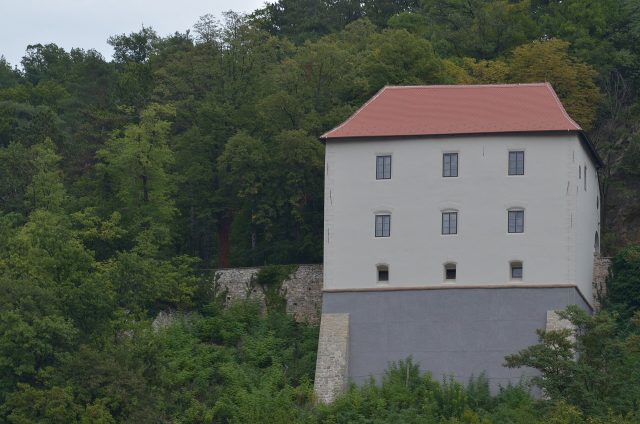
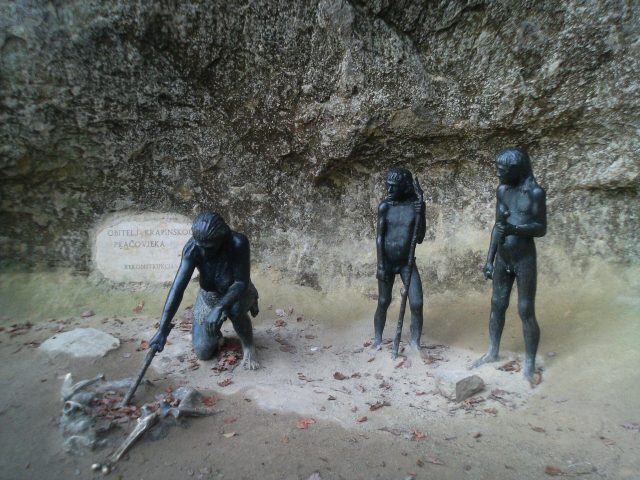
Nestled in the quiet hills of northern Croatia, the Krapina Neanderthal Museum is one of those rare places where the weight of human history feels almost tangible. Far from the coastal crowds and medieval fortresses that draw most visitors to the country, this small museum in the town of Krapina offers something far more profound—a direct connection to our distant ancestors. It was here, in the late 19th century, that archaeologist Dragutin Gorjanović-Kramberger unearthed the remains of Neanderthals in the nearby Hušnjakovo cave, a discovery that would reshape our understanding of early humans. The bones, tools, and traces of life found here revealed that Neanderthals thrived in this region around 130,000 years ago, hunting, crafting tools, and perhaps even developing the earliest forms of culture.
The museum itself is a striking contrast to the ancient past it preserves. Opened in 2010, its modern glass-and-steel structure curves gracefully into the landscape, evoking both a cave and a futuristic vessel. Inside, the exhibits guide visitors through layers of time, beginning with the geological formation of the region before narrowing in on the Neanderthals themselves. Interactive displays allow you to handle replicas of stone tools, test your aim with a virtual spear, or step into a reconstructed Neanderthal dwelling. The museum doesn’t just present facts—it immerses you in the world of these ancient people, making their daily struggles and achievements feel almost immediate.
What makes the Krapina Neanderthals so significant is how they challenge old stereotypes. For decades, Neanderthals were dismissed as brutish, primitive creatures, but the remains found here tell a different story. The bones reveal signs of complex social structures—evidence of care for the injured and elderly, possible burial rituals, and even early forms of symbolic thought. The museum carefully traces how scientific perceptions have evolved, from early misconceptions to the realization that Neanderthals were far more sophisticated than once believed. The original fossils, displayed with quiet reverence, serve as a reminder that these were not just distant relatives but beings who lived, loved, and left their mark on the world.
A short walk from the museum lies the Hušnjakovo cave, where the discoveries were made. Today, it’s part of the museum experience, offering a chance to step into the same cool, damp space where Neanderthals once sheltered. The cave is modest in size, but its walls bear the faint scars of ancient hands—scratches, soot marks, and layers of sediment that whisper of a time when this was home. Standing inside, it’s impossible not to feel the weight of the past pressing in around you. The cave isn’t just a historical site; it’s a place where the boundary between then and now blurs.
Beyond the Neanderthals, the museum broadens its scope to explore the broader arc of human evolution. Exhibits trace the development of life on Earth, the rise and fall of species, and the climatic shifts that shaped the region. One particularly fascinating section compares Neanderthal tools with those of early Homo sapiens, highlighting the cognitive leaps that allowed our ancestors to eventually outcompete their cousins. The question of why Neanderthals disappeared—whether through climate change, competition, or assimilation—lingers in the air, a mystery that science is still unraveling.
Krapina itself is a quiet town, and the museum is its cultural heartbeat. It serves not just as a tourist attraction but as a hub for research and education, hosting lectures, workshops, and temporary exhibitions on anthropology and archaeology. School groups often visit, and the museum’s educational programs help young visitors understand the scientific process—how hypotheses are tested, how evidence is gathered, and why the past matters. After exploring the exhibits, you can linger in the café, sipping coffee with a view of the same hills where Neanderthals once roamed, or browse the gift shop for unique souvenirs, from replica tools to books on human origins.
There’s something unsettling yet deeply moving about standing in a place where our ancient relatives once lived. The Neanderthals of Krapina were not the crude cavemen of popular imagination but complex beings who adapted, created, and endured. Their story is a reminder that human history isn’t just a march of progress but a tapestry of survival, innovation, and loss. The museum doesn’t offer easy answers, but it does something far more valuable—it makes you feel the continuity of life, the way the past lingers in the present.
For travelers willing to venture off the beaten path, the Krapina Neanderthal Museum is a revelation. There are no crowded beaches or bustling squares here, just the quiet hum of history waiting to be discovered. It’s a place where every artifact, every bone, every scratch on the cave wall tells a story—not just of Neanderthals, but of us. And in that quiet, unassuming corner of Croatia, you might just find yourself looking at the world, and your place in it, a little differently.