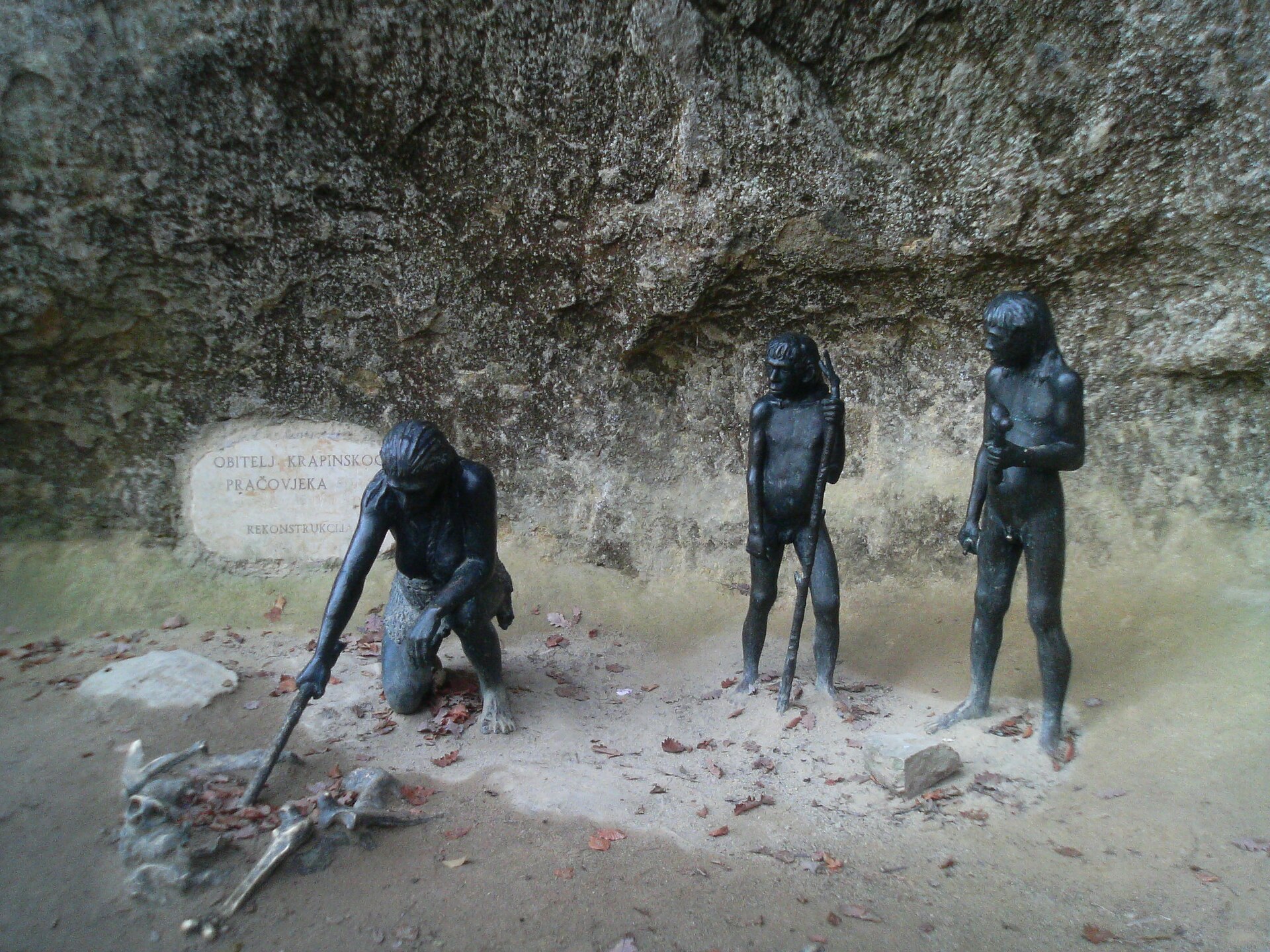
Husnjak Hill rises above Krapina, a place where history isn’t locked behind glass. Here, layers of time are visible in the earth itself—where locals once walked without knowing what lay beneath their feet. In 1899, this unremarkable hillside became the site of one of Europe’s most important archaeological finds. The Neanderthal remains discovered here didn’t just add to our knowledge; they forced us to rethink what we thought we knew about human evolution.
Dragutin Gorjanović-Kramberger’s excavations uncovered over eight hundred bone fragments. But these weren’t just bones. Alongside them were tools, fire pits, and evidence of hunting—clues that showed Neanderthals weren’t wandering aimlessly. They built shelters, controlled fire, and adapted to their surroundings with precision. Today, you can walk past reconstructions of those shelters, their simple frames hinting at lives far more structured than we once imagined.
Husnjak Hill doesn’t just belong to the Neanderthals.
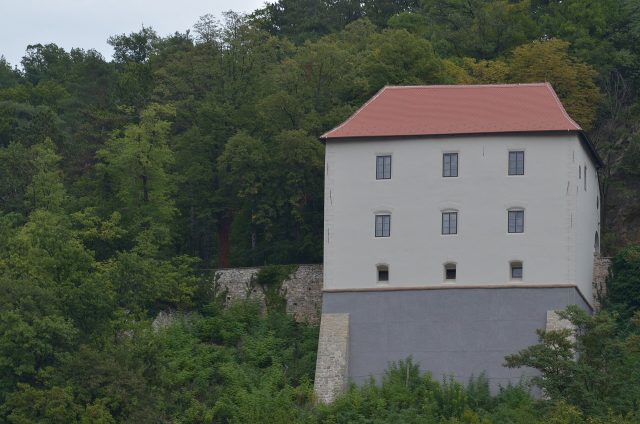
In the 13th century, a fortress stood here, its walls guarding trade routes and projecting power. Now, only fragments remain—crumbling stones and the faint outline of a structure that once dominated the landscape. The contrast is sharp: one era defined by survival in a harsh world, the other by the ambitions of rulers. Yet both left their mark on the same hill, a reminder that this place has always mattered.
The Museum of Evolution at the foot of the hill doesn’t feel like a typical museum. It’s small, but its exhibits pull you in. You can hold replicas of Neanderthal tools, study lifelike reconstructions of their faces, and try using primitive implements yourself. The museum doesn’t just present history; it makes you question it. How did these early humans communicate? What did their daily lives look like? The answers aren’t always clear, but the questions make the past feel immediate. For children, there are hands-on activities—sifting through sand for "artifacts" or piecing together broken pottery—turning learning into something tangible.
The hill is beautiful in all seasons.
Dense woodland covers the slopes, and winding paths lead to viewpoints overlooking Krapina. On a clear day, the view stretches far enough to make the modern world feel distant. In summer, wildflowers dot the meadows; in winter, snow softens the ruins, and bare branches frame the sky. The park is quietest in the early morning or late afternoon, when the light filters through the trees and the only sounds are the rustling of leaves and the occasional birdcall.
This isn’t just a place for historians.
Locals walk their dogs here. Families spread out picnics on the grass. Couples wander the paths. The past and present coexist easily—children’s laughter mixing with the echoes of a time long gone. Guided tours are available for those who want to dig deeper. The guides don’t just recite facts; they tell stories. One moment, you’re standing where a medieval watchtower once stood; the next, you’re imagining Neanderthals butchering a deer by firelight.
Krapina isn’t a tourist hotspot, and that’s part of Husnjak Hill’s charm. There are no souvenir stands or flashy attractions—just a place where people come to reflect, learn, or simply enjoy the view. Throughout the year, the hill hosts events that blend history with modern life: open-air concerts, archaeological festivals, and nighttime tours that play with the eerie beauty of the ruins under moonlight. These gatherings remind you that history isn’t static; it’s alive and still unfolding.
What stays with you after visiting Husnjak Hill isn’t just the knowledge of what happened here. It’s the feeling of standing where others have stood for tens of thousands of years. The hill doesn’t have grand monuments or dramatic ruins, but it has something rarer: the power to make you pause. It doesn’t just tell a story—it lets you step into it, even if just for a moment. And maybe that’s the point: to remind you that history isn’t just something you read about. It’s something you’re part of.