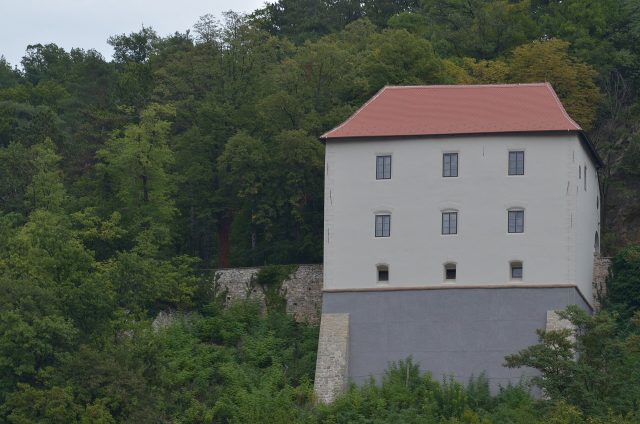
St. Nicholas Church in Krapina is one of those quiet places that don’t demand attention but leave a lasting impression. Perched on a gentle hill in the heart of the town, it’s surrounded by old houses and narrow streets where life moves at its own unhurried pace. The church itself is modest in size, yet its presence is deeply woven into the fabric of local history and daily life. There’s a sense of stillness here—the quiet courtyard, the worn stone steps leading to the entrance, the bell tower standing watch over the town like a silent guardian of the past.
The church’s origins stretch back to the Middle Ages, though historians still debate its exact founding date. The earliest records mention it in the 13th century, when Krapina was little more than a small settlement at the crossroads of trade routes. Back then, the church wasn’t just a place of worship; it also served as a refuge during raids, its thick walls offering protection to the townspeople. Over the centuries, the building was rebuilt and reshaped, yet it never lost its role as the spiritual heart of the community. The most noticeable changes came in the 18th century, when Baroque influences swept through Europe, leaving their mark on the church’s facade and interior.
The architecture of St. Nicholas Church is a blend of eras and styles. The Baroque front, with its pilasters and understated pediment, gives way to a simple, welcoming interior. Whitewashed walls, wooden pews, and faded frescoes create an atmosphere of quiet devotion. The wooden altar, crafted by local artisans, isn’t ornate, but its details carry the warmth of hands that shaped it with care. The bell tower, though not particularly tall, carries its chime far beyond the town, marking the hours of prayer and the rhythm of daily life.
For the people of Krapina, St. Nicholas Church is more than just a historic building—it’s a living part of their lives. Families gather here for baptisms, weddings, and farewells. On major religious holidays, the church fills with voices raised in song, the air thick with the scent of incense and candle wax. The feast day of St. Nicholas, the church’s patron, is especially meaningful. The town comes alive with decorations, and locals—even those who don’t often attend services—gather for prayer and shared meals, honoring traditions passed down through generations.
Krapina is a small town, and while St. Nicholas Church isn’t its only landmark, it sets the tone for the place. Its unassuming presence reflects the character of the town itself—unpretentious yet quietly distinctive. The surrounding streets, lined with tile-roofed houses and stone walls, feel like a step back in time. Walking through them, it’s easy to imagine the lives of the people who once called this place home—the sound of their voices, the smell of bread baking in wood-fired ovens, the herbs drying in the sun.
This isn’t the kind of place that draws crowds for flashy photos or grand tours. There are no elaborate decorations or guided groups here. Instead, St. Nicholas Church offers something far simpler: a moment of stillness. It invites visitors to sit on a bench in the courtyard, listen to the quiet, and reflect on how beauty often lies in the unremarkable. Time moves differently here, measured not by clocks but by the slow, steady tolling of the bells that echo over the town each morning and evening.
If you ever find yourself in Krapina, take a moment to step inside. Even if you’re not religious, the church has a way of making you pause. Sit for a while, look at the old icons, listen to the sounds of the town drifting in from outside. It’s in places like this that travelers often find what they’re really searching for—a connection to history, to the people who came before, and to something deeper within themselves. When you leave, wander down to the old bridge over the Krapinica River, stop at a local café for a glass of homemade wine and fresh cheese. Let Krapina reveal itself not as a dot on a map, but as a place where time slows down just enough to let you breathe.