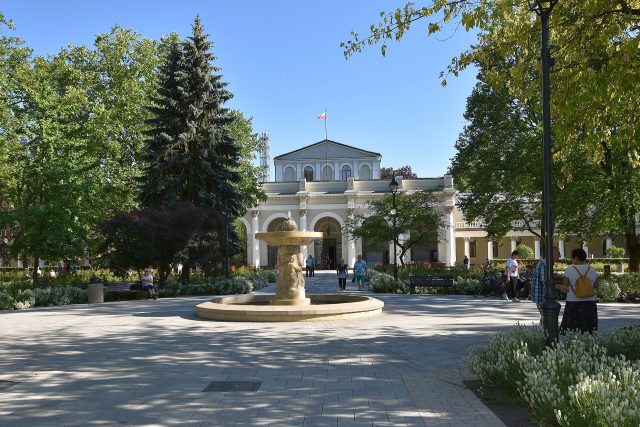
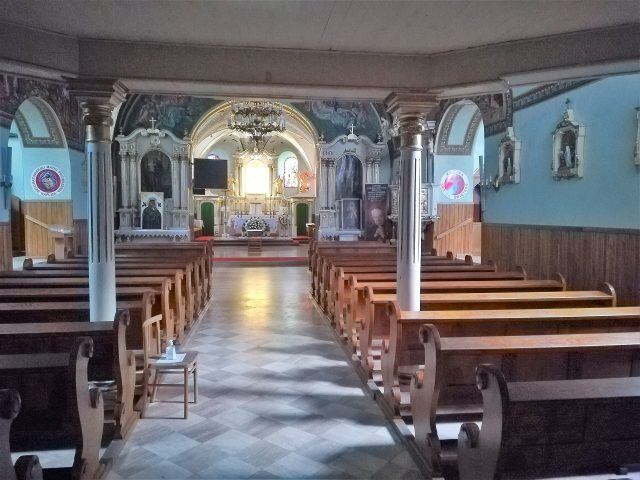
Nestled among the gentle hills of southern Poland, Busko-Zdrój is a town that has quietly thrived for centuries on the healing powers of its mineral-rich springs. Unlike the more famous spa destinations in the country, this place has never been about grandeur or spectacle. Instead, it offers something far more enduring: a sense of timelessness, where the past lingers in the architecture, the parks, and the very air itself. The saltwater springs here have drawn visitors since medieval times, not as a fashionable retreat, but as a place of genuine respite, where people came to heal, to rest, and to step away from the rush of daily life.
The waters of Busko-Zdrój are particularly rich in sodium chloride, iodine, and bromine, a combination that has long been valued for its therapeutic effects. Historical records suggest that monks were among the first to recognize their benefits, using them to treat skin conditions and wounds as early as the 12th century. By the 19th century, the town had evolved into a proper spa destination, attracting the Polish aristocracy and wealthy burghers who sought relief from ailments in the elegant sanatoriums that sprang up around the springs. These buildings, many of which still stand today, were designed with both function and beauty in mind, blending medical purpose with the refined aesthetics of the era.
One of the most recognizable landmarks in Busko-Zdrój is Spring No. 1, located in the heart of the town. The water here is among the most mineralized in Poland, and the small pavilion that houses the spring has become something of a symbol for the town. Built in the early 20th century, it’s a modest structure, but its presence is a reminder of the town’s long-standing connection to wellness. Nearby, the old park unfolds in a series of winding paths lined with centuries-old trees, their branches forming a natural canopy over the benches where visitors have sat for generations. The park feels like an extension of the town itself—quiet, unassuming, and deeply rooted in its own history.
The architecture of Busko-Zdrój reflects its golden age as a spa town, particularly in the buildings constructed during the late 19th and early 20th centuries. Many of these structures were designed in the Art Nouveau and neoclassical styles, their facades adorned with intricate stucco work and large windows that flood the interiors with soft, diffused light. One of the most striking examples is the former Marcinowski Sanatorium, a building that still exudes an air of old-world elegance. Though it now houses a modern medical facility, the original details—high ceilings, ornate moldings, and grand staircases—remain intact, offering a glimpse into the town’s past. Not far from it stands the former Kurhaus, once the social heart of the spa, where guests gathered for balls, concerts, and other entertainments. Today, it serves as a venue for exhibitions and cultural events, but the building’s history is still palpable in its spacious halls and polished floors.
Beyond the town’s therapeutic offerings, Busko-Zdrój is surrounded by a landscape that invites exploration. The rolling hills and forests around the town are crisscrossed with walking and cycling trails, one of the most popular being the path leading to St. Dorothy’s Hill. From its summit, the view stretches across the countryside, revealing patchworks of fields, clusters of villages, and the winding course of the Nida River in the distance. For those interested in the town’s history, the local museum offers a collection of artifacts that trace the evolution of Busko-Zdrój as a spa destination, from its early days to the present. The exhibits include medical instruments, old photographs, and personal items that belonged to former guests, each piece adding another layer to the town’s story.
What makes Busko-Zdrój special is its lack of pretension. Unlike larger, more commercialized spa towns, it has retained a quiet, almost intimate atmosphere. There are no crowds here, no souvenir shops hawking trinkets, no nightclubs or flashy attractions. Instead, the town moves at its own unhurried pace, offering visitors a chance to slow down and reconnect with simpler pleasures. The streets are lined with well-kept parks and gardens, and the air carries the faint scent of pine and mineral water. Even the locals seem to embody this sense of calm—they’re friendly without being intrusive, happy to share stories about their town if you show an interest, but never pushy.
The best time to visit Busko-Zdrój is during the shoulder seasons, when the summer heat has faded but the winter chill hasn’t yet set in. Autumn is particularly beautiful here, as the trees turn shades of gold and crimson, and morning mists lend the landscape an almost mystical quality. Spring brings a different kind of magic, with parks bursting into bloom and the air filled with the scent of fresh grass and flowers. Summer is pleasant but never overwhelming, as the town doesn’t attract the same crowds as more popular Polish destinations. This makes it an ideal place for those who want to enjoy the outdoors without the noise and bustle of a typical tourist spot.
For all its quiet charm, Busko-Zdrój is more than just a place to take the waters. It’s a town where the past feels very much alive, where every building, every park bench, and every winding path seems to carry a story. The local cafés and restaurants reflect this unhurried way of life, serving hearty Polish dishes and homemade pastries in a setting that feels more like someone’s living room than a commercial establishment. In the evenings, the town grows even quieter, the only sounds being the rustle of leaves in the breeze and the distant chime of church bells. It’s a place where you can sit on a bench in the park, watch the sunset over the hills, and feel as though you’ve stepped into a different era—one where time moves more slowly, and the simple act of breathing in the fresh air feels like a gift.
If you’re looking for a place to unwind, to heal, or simply to step away from the chaos of modern life, Busko-Zdrój offers a rare kind of refuge. It’s not a destination for those seeking luxury or excitement, but for those who appreciate the quiet beauty of a town that has remained true to itself. Here, the focus is on well-being in the broadest sense—not just of the body, but of the mind and spirit. Whether you come for the therapeutic waters, the peaceful surroundings, or the chance to experience a slice of old-world Poland, Busko-Zdrój has a way of making you feel at home in a place where time seems to stand still.