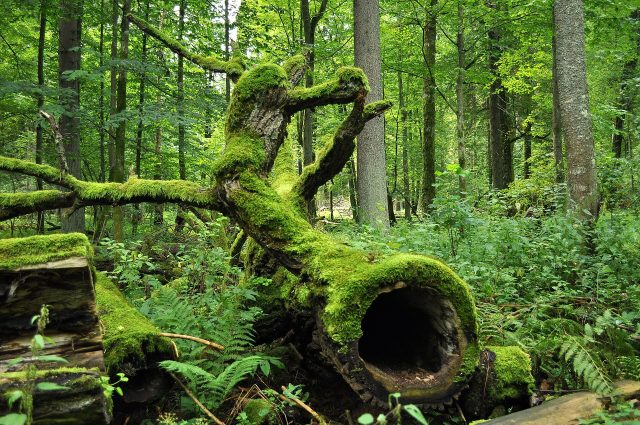
Hajnówka is a quiet town in eastern Poland, best known as the gateway to Białowieża Forest, one of Europe’s last primeval woodlands. But even here, away from the usual tourist paths, there’s a place that quietly demands attention. The Holy Trinity Cathedral isn’t just a church—it’s a building that carries the weight of the region’s history, its shifting cultures, and the quiet resilience of a community shaped by time.
The cathedral was built in the mid-20th century, a period when Hajnówka was no longer just a small settlement near the Belarusian border. After World War II, the town grew rapidly, and the need for a new church wasn’t just spiritual—it was practical, driven by a population that had swelled with new arrivals. The design came from architect Aleksander Gintowt, whose work blended modernist principles with subtle nods to local tradition. Construction began in 1955 and took a decade to complete, though finishing touches stretched on even longer.
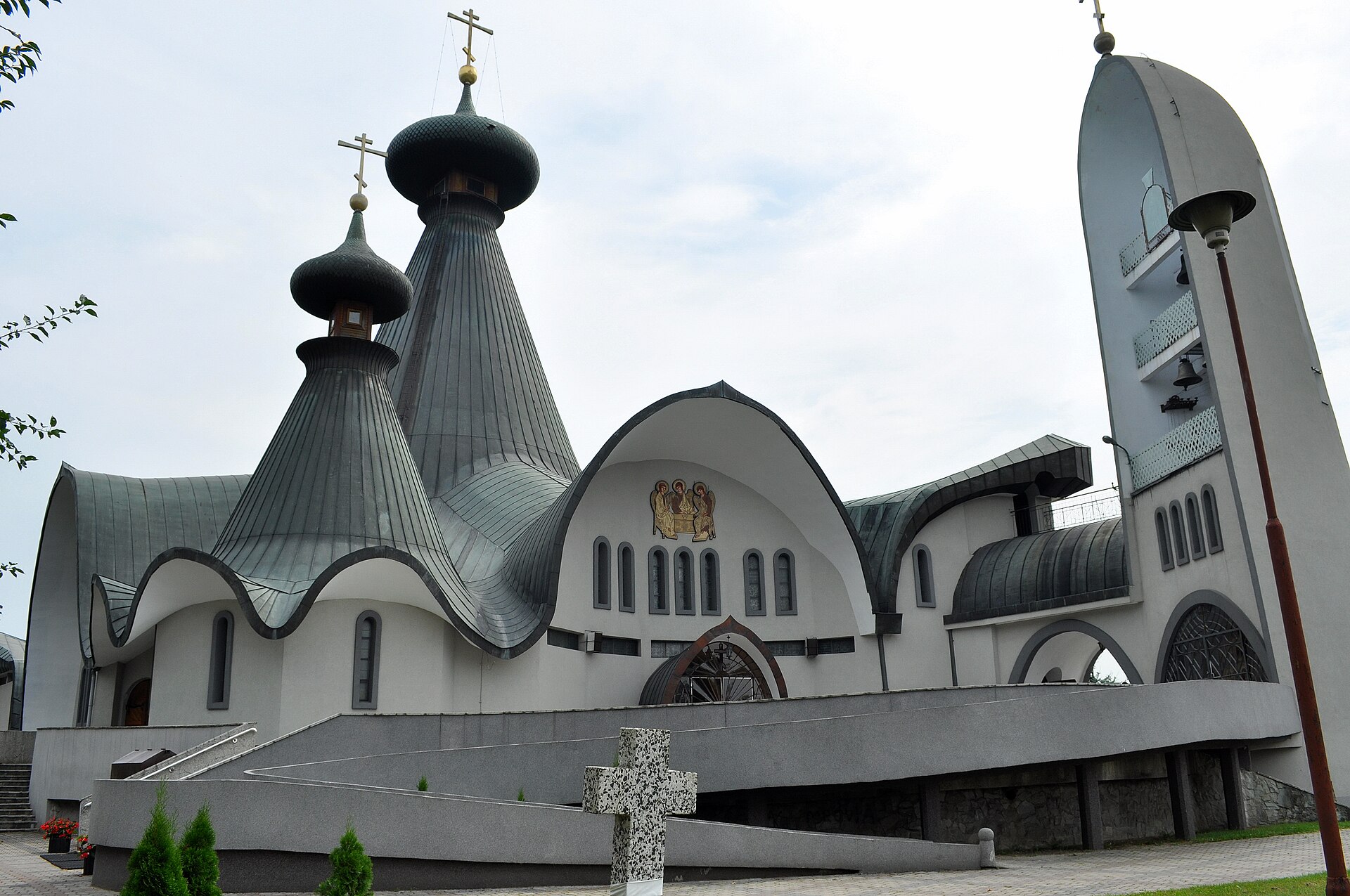
From the outside, the cathedral is imposing in its simplicity. Tall red-brick walls rise with clean, unadorned lines, a hallmark of the era’s preference for function over ornament. The main facade is crowned by a cross, while above the entrance, a mosaic of the Holy Trinity keeps to a muted palette. The bell tower, low but solid, seems rooted in the earth, as if built to endure. There’s nothing flashy about it—just a quiet strength in its form.
Step inside, though, and the contrast is striking. The interior glows with warmth, softened by high stained-glass windows that filter light into gentle hues. The altar is adorned with icons in the Orthodox tradition, a detail that might seem unusual for a Catholic church—until you remember that Hajnówka has long been a crossroads of faiths. After the war, many people from the east settled here, bringing their religious customs with them. The cathedral absorbed these influences, becoming a place where different traditions coexist.
The iconostasis is one of the most distinctive features. Carved by local craftsmen, its wooden panels reflect the folk art of Podlasie, a region where Polish, Belarusian, and Lithuanian cultures have long intertwined. The icons themselves are classic in style, yet there’s something unmistakably local in their execution—less rigid than strict canon, more personal, as if the artists had looked to the surrounding forests and fields for inspiration.
The cathedral isn’t just a place of worship; it’s woven into the fabric of the town. Sundays bring the usual services, but the space also hosts concerts of sacred music, exhibitions by local artists, and community gatherings. On feast days, the air fills with the sound of choirs, and the flicker of candles seems to animate the walls. Trinity Sunday is especially vibrant, drawing people from Hajnówka and the surrounding villages, turning the cathedral into a focal point for celebration.
For all its modern origins, the cathedral has already become part of the town’s folklore. Locals share stories of construction workers uncovering old coins and household items in the earth, as if the ground itself held memories of earlier sacred spaces. Whether true or not, these tales capture something essential about Hajnówka—a place where the past isn’t buried but lingers, visible in the details of everyday life.
Today, the Holy Trinity Cathedral stands on a slight rise, offering views of the town and the forests beyond. On clear days, the distant outline of Białowieża Forest is visible, a reminder of the wilderness that has always shaped this land. The cathedral feels like a bridge between that ancient forest and the people who live here now, between history and the present moment.
You don’t have to be religious to appreciate it. The real draw is the sense of stillness—the way the light falls through the windows, the quiet rustle of leaves outside, the unhurried rhythm of a town where time moves differently. It’s a place to sit, to listen, and to feel the layers of history beneath your feet.