Hajnówka’s Józef Piłsudski Park is one of those quiet places where the city’s usual hum fades into the rustling of old trees and the unhurried rhythm of everyday life. Tucked in the heart of this small Podlasie town, it’s not a grand tourist attraction or a meticulously landscaped showpiece, but rather a green refuge that has quietly served the community for generations. There are no towering monuments or flashy fountains here—just wide paths lined with century-old lindens, benches worn smooth by time, and the occasional flock of pigeons scattering under the feet of playing children.
The park’s name carries the weight of Poland’s interwar history, a time of rebuilding and hope after years of partition. Though it wasn’t established until the 1920s or 30s, its dedication to Józef Piłsudski, the marshal who led the country to independence, reflects the spirit of that era. Back then, Hajnówka was still a young town, carved out of the surrounding forests, and the park became one of its first public spaces—a place where lumber mill workers, clerks, and families could gather, stroll, or simply sit in the shade. Today, the same paths still lead to the central square, where summer concerts and winter ice rinks keep the tradition of communal life alive.
The design is unpretentious, in keeping with the practical aesthetics of early 20th-century urban planning. There are no elaborate flowerbeds or manicured ponds, just straight gravel walkways, neatly trimmed lawns, and a handful of mature trees that cast dappled shade over the benches. At the park’s center stands a modest obelisk honoring Piłsudski, but it doesn’t dominate the space. Instead, it blends into the surroundings, a quiet marker of history rather than a grand statement. Nearby, a few small plaques offer fragments of the town’s past, though they’re easy to overlook if you’re not looking for them.
What makes this park special is its refusal to be anything other than what it is: a simple, well-loved corner of the city where people come to slow down. In summer, the air smells of cut grass and wildflowers, and the mornings are filled with birdsong. When winter arrives, the paths disappear under snow, and the park becomes a quiet white expanse where children build snowmen and adults take leisurely walks, their breath visible in the cold air. No matter the season, there’s a sense of calm here that feels increasingly rare in modern life.
For locals, the park is woven into the fabric of daily existence. Parents bring their children here, dog walkers let their pets off the leash, and friends meet on the benches to chat. It’s where the town gathers for holidays—Independence Day, Christmas, and smaller local festivals. In summer, a brass band might play on the small stage; in winter, a decorated tree stands near the obelisk. Spring brings new life, with the park blooming alongside the rest of the town. It’s a place that doesn’t follow trends or cater to tourists, but simply exists as part of the community’s rhythm.
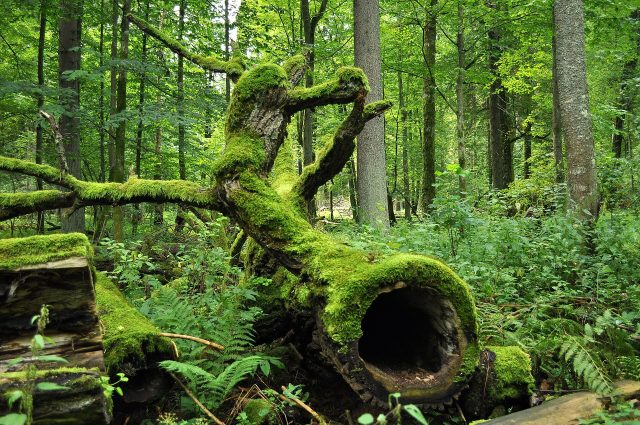
Hajnówka is a town surrounded by forests, and Piłsudski Park feels like a small piece of that wilderness brought into the city. There’s no traffic noise here, just the crunch of gravel underfoot and the whisper of leaves in the wind. Even on weekends, the park never feels crowded—it’s not the kind of place that draws crowds, but rather one that rewards those who take the time to notice it. The atmosphere is one of quiet familiarity, the kind that comes from years of shared use and unspoken understanding.
If you ever find yourself in Hajnówka, the park is worth a visit—not because it’s spectacular, but because it isn’t. There’s no need to rush or take photos; just find a bench, sit for a while, and listen to the silence. It’s the kind of place that doesn’t try to impress, but somehow ends up meaning more because of it. The best parks aren’t built for tourists; they’re the ones that become part of a city’s life, shaping its days in small but meaningful ways. Piłsudski Park is exactly that—a quiet, unassuming space that has quietly become the heart of Hajnówka.