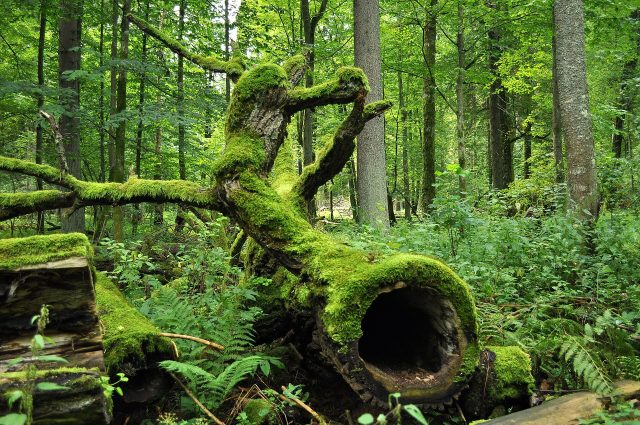
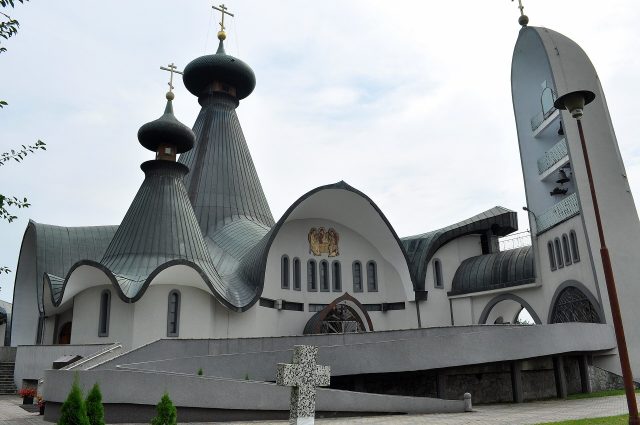
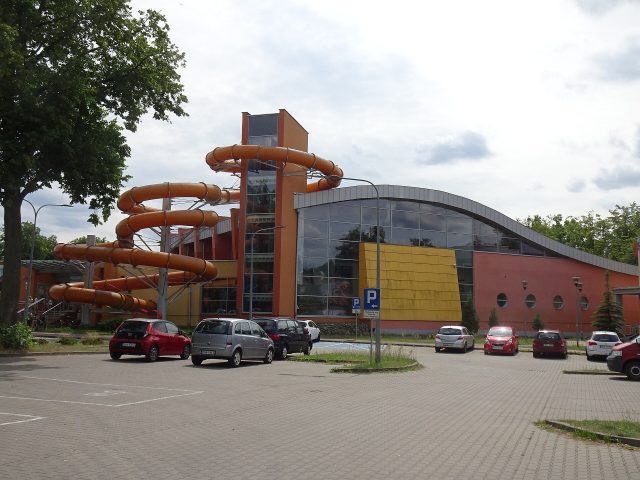
The Białowieża Forest is one of those rare places where nature still holds sway, and humans are merely passing through. The museum dedicated to this ancient woodland sits in the quiet town of Hajnówka, in eastern Poland, just a stone’s throw from the Belarusian border. Far from the well-trodden tourist paths, it offers a chance to step into the story of one of Europe’s last and largest primeval forests—a place where time moves differently, and the past feels closer than ever.
Though small, the museum manages to capture the essence of the forest in a way that feels like an invitation to wander its trails. The exhibits unfold like chapters in a book, beginning with old maps and photographs that trace the forest’s boundaries through the centuries. There are taxidermied animals, too—wolves, lynxes, and the European bison, the forest’s most famous resident. The bison, nearly hunted to extinction in the early 20th century, now roams these woods again thanks to conservation efforts, and the museum carefully documents its near-disappearance and revival. It’s a story of resilience, one that reminds visitors how fragile even the mightiest creatures can be.
The forest’s history isn’t just about wildlife, though. For centuries, it has been a crossroads for people—hunters, kings, and ordinary villagers whose lives were intertwined with the woods. Polish monarchs once hunted here, and later, the forest became part of the Russian Empire’s royal hunting grounds. The museum preserves fragments of that human presence: tools used by foresters, household items from the old ranger stations, and documents that show how attitudes toward nature have shifted over time. There’s a sense of continuity here, as if the forest has quietly absorbed the stories of everyone who has ever walked beneath its canopy.
The darker chapters of the forest’s past are also on display. During World War II, Białowieża found itself on the front lines, its dense thickets sheltering partisans and bearing witness to brutal fighting. In the decades that followed, the forest became a restricted zone, its borders tightly controlled. The museum doesn’t shy away from these moments, presenting them as part of the forest’s complex legacy—a reminder that even the wildest places are not immune to the conflicts of the world beyond.
The museum building itself is unassuming, a modest wooden structure with large windows that let in the soft northern light. Inside, the exhibits are arranged thoughtfully, without flashy displays or digital distractions. The simplicity of the space allows visitors to focus on the stories being told, creating an atmosphere that feels more like a conversation than a lecture. There’s no need for grand gestures here; the forest’s own history is compelling enough.
What makes this museum special is its quiet insistence on the forest’s fragility. Białowieża has survived for millennia, but its existence has never been guaranteed. Today, it’s a protected UNESCO site, yet threats remain—illegal logging, poaching, the slow creep of climate change. The museum doesn’t preach, but it doesn’t have to. The message is clear: places like this don’t endure on their own. They need people to care, to remember, to act.
After leaving the museum, the forest feels even closer. Hajnówka is surrounded by green expanses, and the true heart of Białowieża is just a short journey away. Walking its trails, you might hear the call of a woodpecker or catch a glimpse of a deer darting between the trees. If you’re lucky, you’ll spot a bison in the distance, a living relic of a time when such creatures roamed freely across the continent. Even if you don’t, the forest leaves its mark—a sense of stepping into something vast and ancient, something that has seen empires rise and fall but still stands, patient and enduring.
This isn’t a museum that tries to impress with size or spectacle. It doesn’t need to. Instead, it offers something rarer: a chance to slow down and listen. The story it tells is one of coexistence—of humans and nature, of past and present, of survival and loss. You don’t need to be an expert to understand why Białowieża matters. You just need to walk through its doors, look around, and let the forest speak for itself.