Havana’s Cathedral of Saint Christopher watches over the city’s layered past. Its weathered stones hold stories of trade, faith, and time’s slow passage. Built in the 18th century, it stands in Plaza de Armas, where the air carries the scent of old wood and damp earth from the nearby harbor.
The cathedral’s facade is unassuming—two mismatched towers rise above the square. Columns and arches soften with age, not restoration. The building feels organic, shaped by different architects and Havana’s shifting fortunes. European Baroque blends with something distinctly Cuban, where strict symmetry gives way to a relaxed, improvisational elegance.
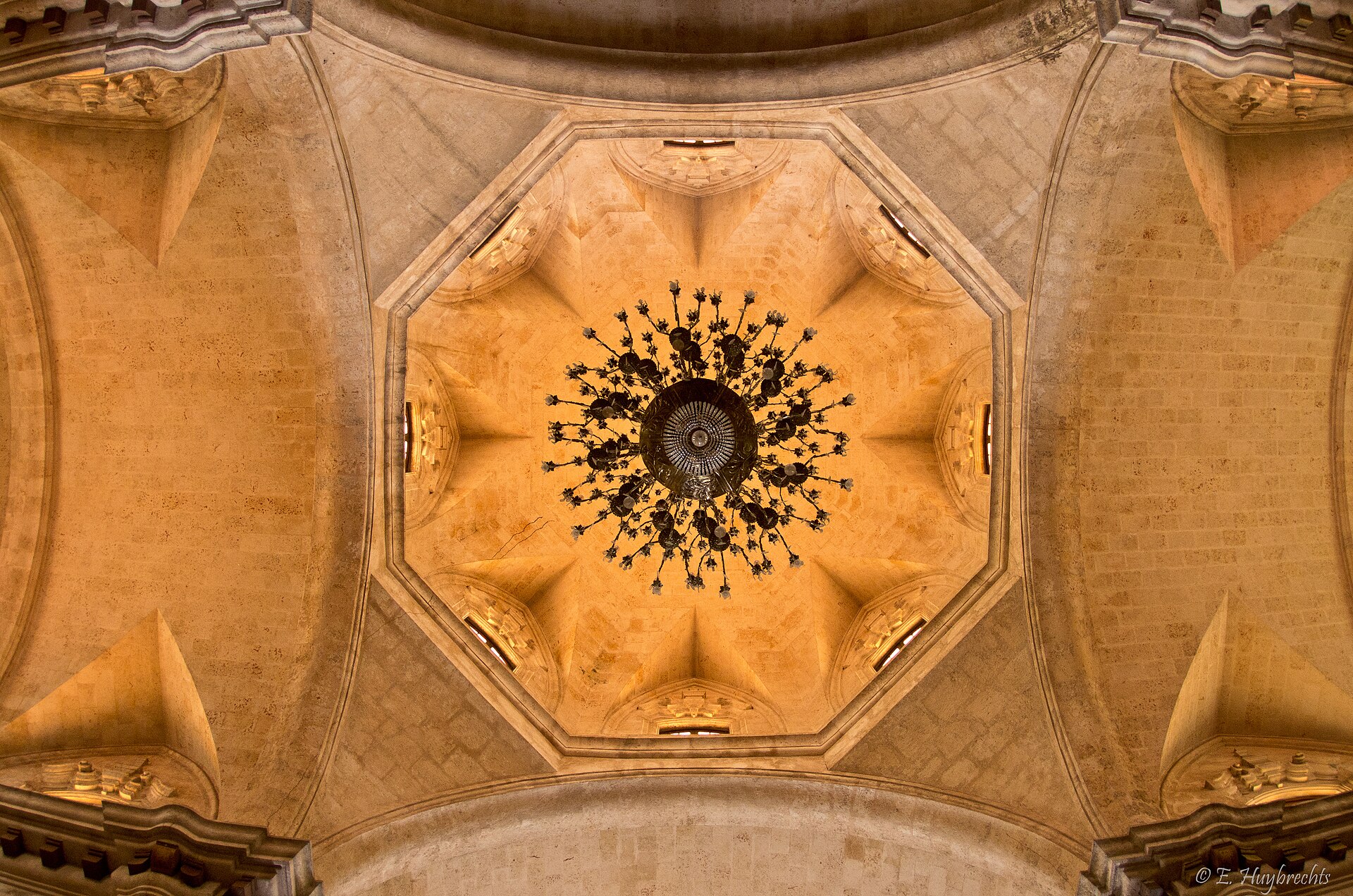
Inside, the space feels larger than it appears. High ceilings, supported by thick columns, create openness. Light through stained glass casts a muted glow over stone floors. The main altar, modest compared to Europe’s grand cathedrals, carries warmth in its gilded wood and simple lines. No sprawling frescoes or towering statues here—just religious artifacts, some from Spain, others made locally. Side chapels hold faded icons and relics, their details worn smooth by centuries of touch and candlelight. The effect is understated reverence, where history feels more tangible than ornate decoration.
The cathedral’s construction began in 1748 on the site of an earlier chapel. Over decades, Havana grew from a modest port town into one of the Spanish Empire’s vital hubs, a gateway for treasure fleets laden with silver and gold. The cathedral was more than a place of worship; it was a stage for public life. Royal decrees were announced from its steps. During conflict, its doors offered refuge. Today, the square buzzes with activity—street musicians playing son cubano, vendors selling postcards, the occasional clatter of a horse-drawn carriage. Old cannons near the entrance, once meant to defend the city, now stand as silent reminders of a turbulent past.
One legend involves Christopher Columbus. In 1898, his remains were said to have rested here before being returned to Seville. Historians debate the story, but it lingers. A small plaque in one chapel marks the occasion. Guides point it out, their voices dropping as if sharing a secret. Fact or folklore, the tale fits the cathedral’s atmosphere—mysterious, slightly faded, impossible to pin down.
The architecture tells a story of adaptation. Thick walls and small windows kept the interior cool during Havana’s sweltering summers. Local limestone gave the building a sturdy, earthy quality, unlike Europe’s refined marble. Cuban Baroque, with its playful curves, feels less rigid. The building absorbed the island’s rhythms—less about perfection, more about endurance. Multiple architects left their marks over the years, each layer adding to its character.
The Cathedral of Saint Christopher remains part of Havana’s life. Masses are still held here. Weddings and baptisms fill the space with music and laughter. Classical concerts sometimes take place inside, the acoustics enriching the sound. A small museum displays vestments, antique books, and colonial-era objects—nothing extravagant, but enough to evoke daily life in a city once among the wealthiest in the Spanish colonies.
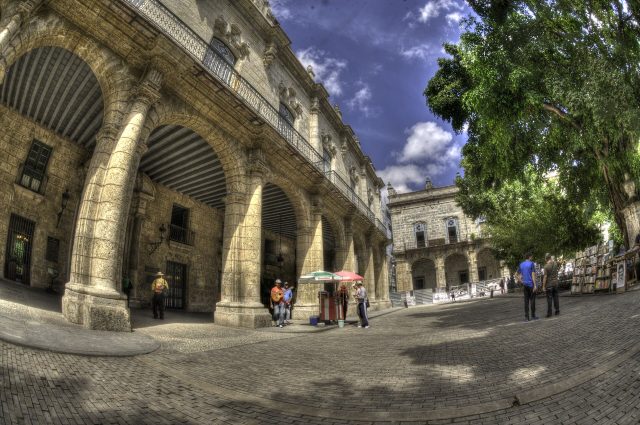
Visit the cathedral, then walk through Old Havana. Plaza de Armas, where it stands, is surrounded by historic buildings—the Palace of the Captains General, the City Museum, and crumbling mansions with wrought-iron balconies. The square is always alive: locals playing dominoes, street artists sketching, the hum of a guitar. In the evening, old-fashioned streetlamps soften the buildings’ edges, and the cathedral’s silhouette becomes part of the city’s nocturnal charm. Cobblestones, worn smooth by centuries of footsteps, seem to echo with voices from the past.
What makes the Cathedral of Saint Christopher special? It’s not just age or architecture. It’s the way it feels alive with history. No rush, no modern distractions—just time etched into stone and wood. Even those who aren’t religious will find something here. It doesn’t demand attention but rewards those who pause. The walls hold secrets. Listen closely, and you might hear whispers—the creak of a ship in the harbor, a murmur of prayer, the sound of a city learning to endure.