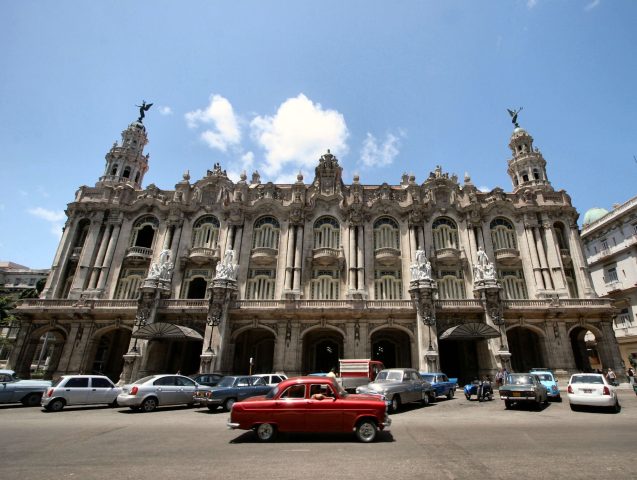
The Museum of the Revolution in Old Havana is more than just a collection of artifacts—it’s a place where Cuba’s past feels immediate, almost tangible. Housed in the former Presidential Palace, the building itself is a striking example of early 20th-century architecture, designed by Belgian and Cuban architects. Its grand halls, adorned with marble, bronze, and stained glass, once hosted dignitaries and served as the official residence for several Cuban presidents. Today, the palace retains its opulence, but the bullet holes and scars from the 1959 assault during the revolution serve as stark reminders of the building’s turbulent history.
The museum’s exhibits span centuries, though the focus is firmly on the mid-20th century and the events that reshaped the nation. Visitors can explore documents, photographs, weapons, and personal belongings of key revolutionary figures like Fidel Castro, Che Guevara, and Camilo Cienfuegos. One of the most significant displays is dedicated to the 1953 attack on the Moncada Barracks—a failed but pivotal moment that marked the beginning of the armed struggle against Batista’s regime. The exhibits don’t shy away from the hardships and sacrifices of the revolution, offering a nuanced look at the ideals that drove those involved.
A highlight of the museum is the Granma Memorial, where the yacht that carried Fidel Castro and his fellow revolutionaries from Mexico to Cuba in 1956 is preserved under glass in the courtyard. The vessel, a symbol of hope and determination, is surrounded by military equipment from the era, including tanks, aircraft, and even fragments of a U.S. U-2 spy plane shot down during the Cuban Missile Crisis. These artifacts aren’t just relics; they underscore the tense relationship between Cuba and the United States, a dynamic that has profoundly influenced the island’s trajectory.
Beyond the revolution, the museum offers a broader perspective on Cuban history. Exhibits trace the island’s past from pre-Columbian times through the struggle for independence from Spain in the 19th century and the period of American influence in the early 20th century. There are displays on Cuban culture, daily life, and traditions, including reconstructions of homes from different eras and artifacts illustrating the development of education and healthcare post-revolution. These sections provide insight into how the country has evolved and the values that shape modern Cuban society.
The museum’s courtyard is another compelling space, where the Granma yacht shares the stage with other historical markers. A memorial to Che Guevara stands nearby, alongside fragments of the Berlin Wall, gifted to Cuba as a symbol of solidarity with East Germany. The courtyard often hosts temporary exhibitions on contemporary social and political themes, reinforcing the museum’s role as a living space for dialogue, not just a repository of the past.
What makes the Museum of the Revolution particularly striking is its unfiltered portrayal of history. There’s no attempt to gloss over complexities or contradictions; the narrative is presented from the perspective of those who fought for change, warts and all. For Cubans, it’s a place of reverence, a site to honor the heroes of their nation. For visitors, it offers a chance to understand why the revolution remains a cornerstone of Cuban identity, even decades later.
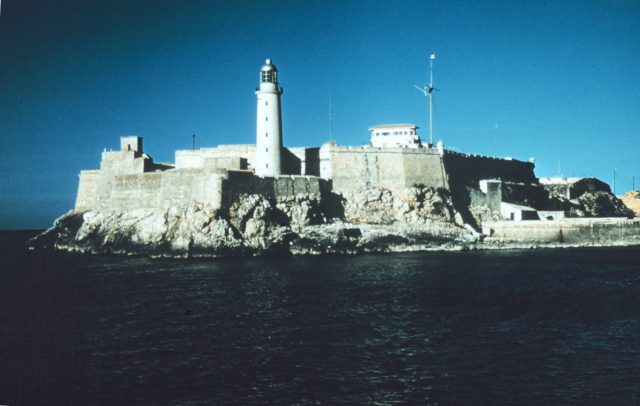
Located in the heart of Old Havana, the museum is easily paired with a stroll through the historic center. Nearby landmarks like Plaza de la Catedral, the Malecón seawall, and the fortress of La Cabaña make for a full day of exploration. Afterward, a visit to a nearby café for a strong Cuban coffee provides the perfect opportunity to reflect on what you’ve seen. The Museum of the Revolution isn’t just a stop on a tourist itinerary—it’s a window into the history that still shapes the streets and the people of this remarkable city.