Plaza de Armas is one of those places in Old Havana where time seems to slow down, as if the city itself has paused to catch its breath. Tucked in the heart of the historic center, just steps from the harbor, it carries the weight of centuries in its cobblestones and weathered facades. This isn’t just a square for tourists to pass through—it’s where the city’s daily rhythm unfolds, where locals linger over coffee and visitors try to grasp the layers of history beneath their feet.
The square’s name dates back to the 16th century, when it served as the armory for Spanish colonial forces. Havana was then a critical stronghold for the empire, guarding trade routes that connected Europe to the Americas. The weapons stored here weren’t just for show; they protected a city that was both a fortress and a gateway to wealth. Over time, the armory vanished, but the name stuck, a quiet reminder of an era when Havana was surrounded by walls and moats. Today, the square’s military past is still visible in its layout—symmetrical, orderly, and spacious, as if designed to keep watch over the harbor.
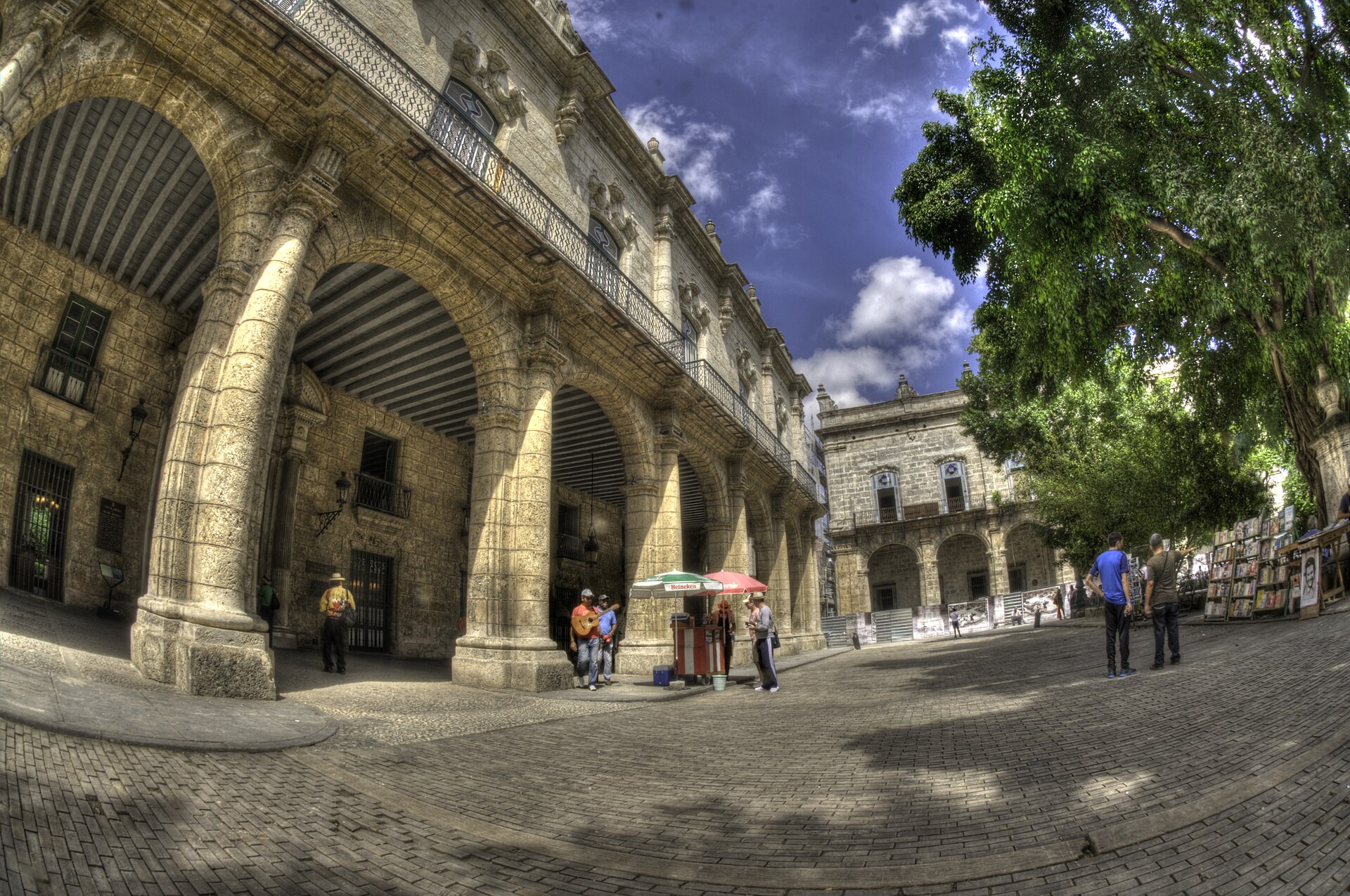
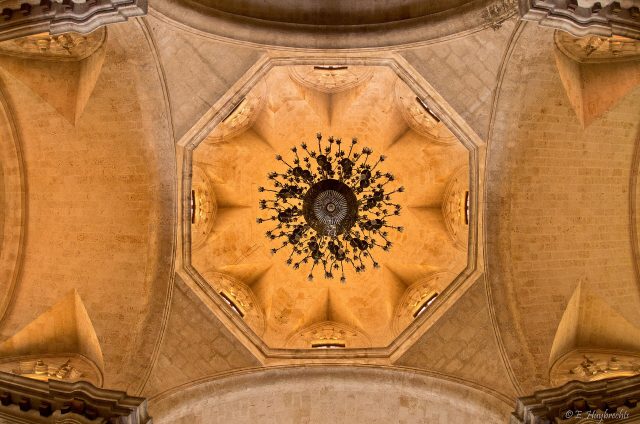
The architecture here tells a story of shifting influences. The most imposing building is the Palacio de los Capitanes Generales, built in the late 1700s. Its grand facade, with its columns and wrought-iron balconies, speaks of colonial power, while inside, the lavish halls with their gilded moldings and frescoes offer a glimpse into the island’s past. Now home to the City Museum, it houses artifacts that trace Havana’s history from pre-Columbian times to the revolution. Nearby, the Havana Cathedral stands in stark contrast—its baroque design softened by the porous coral stone that gives it a rough, almost organic texture. The cathedral’s mismatched towers make it instantly recognizable, a quirk that only adds to its charm.
Plaza de Armas isn’t just about the buildings, though. It’s a place where Havana reveals itself in unexpected ways. Mornings are quiet, with only the occasional clatter of footsteps on stone and the scent of fresh coffee drifting from nearby cafes. By midday, the square comes alive—musicians set up in the shade, vendors arrange their wares, and tourists wander with cameras in hand. Evenings are when the square feels most alive, as lanterns cast a warm glow over the cobblestones and the air fills with the scent of tobacco and rum. Locals often gather around the central fountain, chatting or simply enjoying the cooler air after the day’s heat.
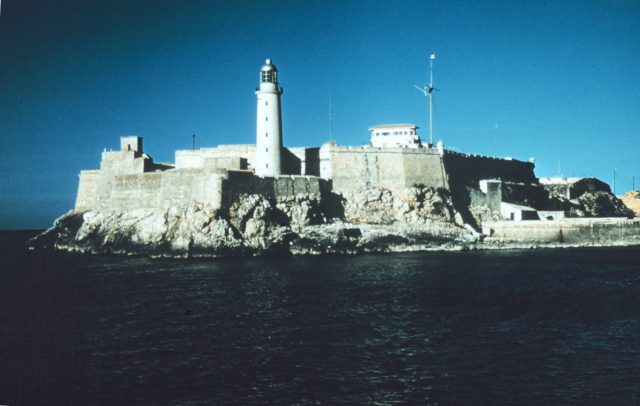
One of the square’s defining features is its connection to the sea. From here, you can see the harbor where Spanish galleons once docked, laden with silver and gold from Mexico and Peru. The port no longer plays the same role, but its presence lingers in the salt-tinged breeze and the old cannons that still point toward the water. These cannons, now rusted and silent, once defended the city from pirates and rival fleets. They’re more than just relics; they’re a reminder of a time when Havana was a city caught between war and commerce, always on guard yet always open for business.
Beyond its history, Plaza de Armas is a stage for Havana’s cultural life. Classical concerts often spill out from the palace’s courtyards, while artists display their work under the arcades. On weekends, the square becomes a hub of activity—street performers reenact scenes from colonial times or play traditional Cuban music, turning history into something you can almost touch. For many visitors, these moments are the most memorable, when the past stops being a distant story and becomes something tangible, something you can feel in the rhythm of the music or the laughter of the crowd.
What’s striking about Plaza de Armas is how it manages to feel both timeless and lived-in. There are no aggressive vendors or staged performances here—just the natural ebb and flow of daily life. Locals treat the square like an extension of their homes, whether they’re reading a book on a bench, meeting friends for a drink, or simply watching the world go by. For visitors, it’s a rare chance to see Havana as Cubans do, without the filter of a guidebook or the expectations of a postcard.
This square isn’t just a landmark; it’s a microcosm of Old Havana itself. It holds the tension between past and present, between the grandeur of colonial power and the simplicity of everyday life. You could spend hours wandering its arcades, tracing the cracks in the walls or admiring the intricate ironwork on the balconies. Or you could just sit on the steps of the cathedral, watching how the light shifts across the facades as the day goes on. There’s nothing staged about Plaza de Armas—it’s all real, from the worn stones underfoot to the sound of children playing in the square. That’s why it feels so alive, why it lingers in your memory long after you’ve left.