Santiago de Compostela’s Cathedral of St. James is more than just a building—it’s a place that has drawn people from across the world for centuries, not as tourists, but as pilgrims. Nestled in the northwest corner of Spain, it marks the end of the Camino de Santiago, one of the most famous routes of the Middle Ages. The journey here wasn’t arbitrary. According to tradition, the cathedral stands over the tomb of St. James the Apostle, one of Jesus’s twelve disciples. The story goes that after his martyrdom in Jerusalem, his remains were brought to this spot, where a small church was first built in the ninth century. Over time, that modest structure gave way to the grand cathedral we see today, its stones layered with history from the 11th to the 13th centuries.
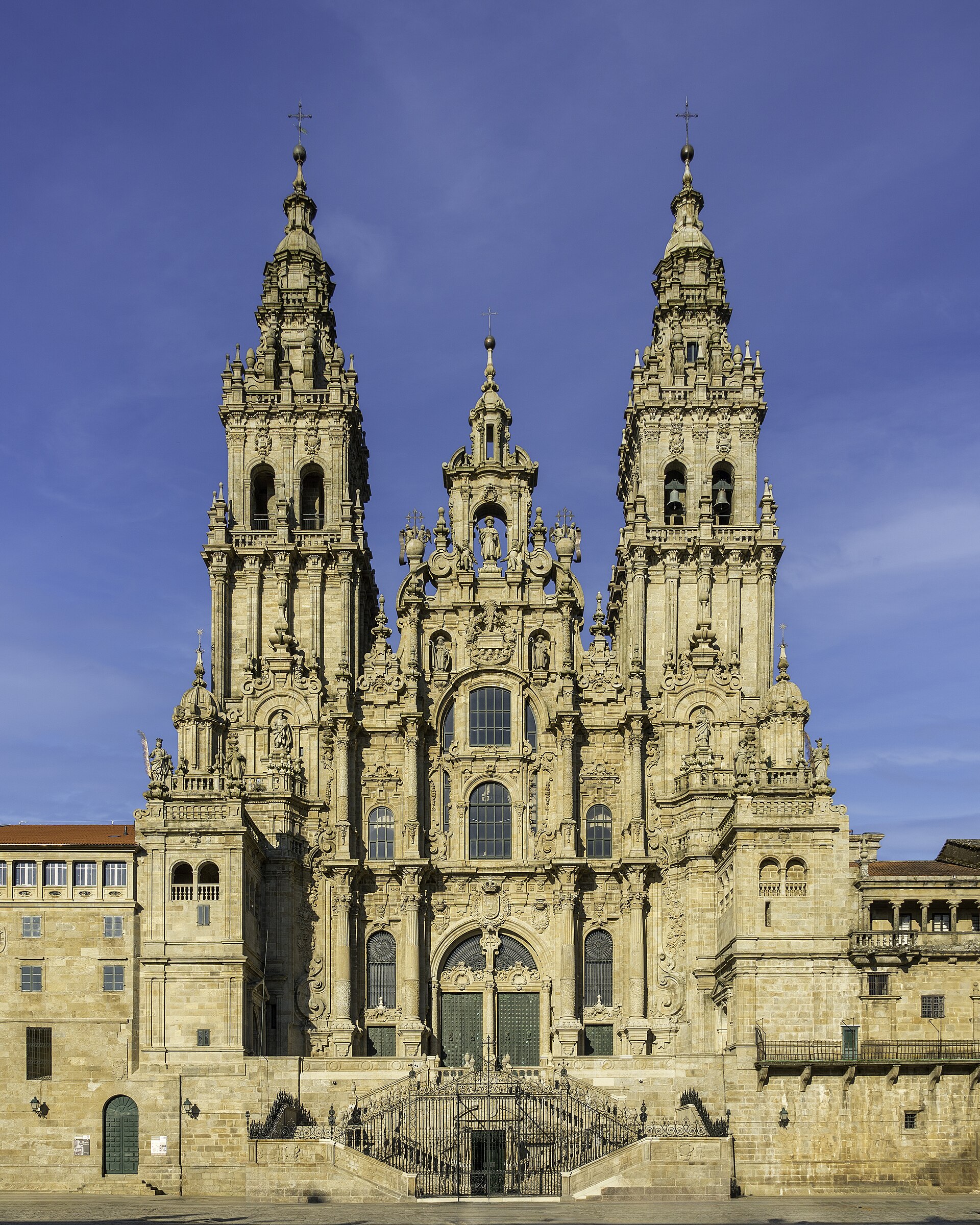
The architecture of the cathedral is a conversation between eras. Its most striking feature, the Obradoiro façade, is a dazzling example of Baroque excess—towers reaching skyward, statues of apostles frozen in dramatic poses, all designed to awe those approaching from the square. Yet behind this ornate display lies the original Romanesque structure, its heavy arches and solemn portals still visible in the cathedral’s interior. The most celebrated of these is the Pórtico de la Gloria, a masterpiece carved in the 12th century by the sculptor Maestro Mateo. Its figures of Christ, apostles, and prophets are so lifelike, so charged with emotion, that they seem to breathe. The craftsmanship is astonishing, but what lingers is the sense of devotion embedded in every detail.
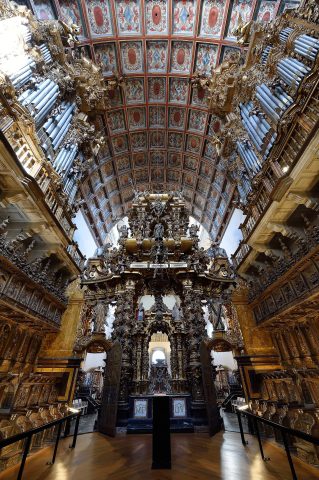
Inside, the cathedral feels vast and intimate at once. Light filters through stained glass, casting colored patterns across the high vaulted ceilings and massive columns. The air is thick with the weight of centuries—ancient frescoes, intricate carvings, the gilded altarpiece looming over the crypt where St. James’s remains are said to rest. Then there’s the botafumeiro, the enormous thurible that swings through the transept during special services, filling the air with the scent of incense. The sight of it, accompanied by the swell of a choir, is mesmerizing, a reminder that this is still a place of worship, not just a monument. The rituals here are as old as the stones themselves, yet they feel alive, as if the past and present are breathing in unison.
For over a thousand years, Santiago de Compostela has been a crossroads of faith, culture, and human connection. The Camino wasn’t just a religious pilgrimage; it was a highway of ideas, trade, and art. Kings and peasants, scholars and soldiers—all walked these paths, leaving behind more than just footprints. The cathedral became a center of learning, where manuscripts were copied, knowledge preserved, and later, one of Spain’s first universities took root. Even now, the city carries that legacy of openness. Walk through the old quarter’s narrow streets, and you’ll hear a dozen languages, see faces from every corner of the globe. The Camino’s spirit isn’t confined to history books; it’s in the way strangers nod to each other in the square, in the shared meals at long wooden tables, in the quiet understanding that everyone here is on some kind of journey.
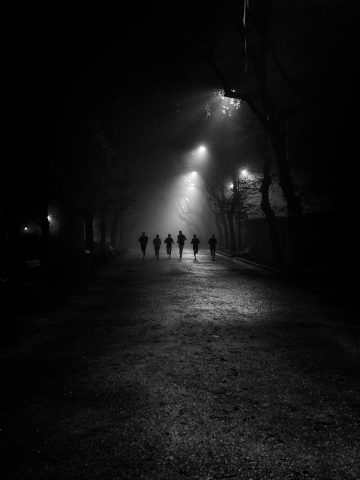
The pilgrimage itself has never really stopped. Wars, plagues, and economic collapses came and went, but people kept walking. Today, the Camino is experiencing a renaissance. Some still come for faith, others for adventure, solitude, or simply to step away from the noise of modern life. The reasons are as varied as the people who undertake it. What unites them is the rhythm of the walk—the blisters, the early mornings, the unexpected kindness of strangers. Arriving in Santiago isn’t just about reaching a destination; it’s about what happens along the way. The cathedral’s doors are the finish line, but the real transformation happens in the hundreds of kilometers that lead here.
The city itself seems designed to welcome those who arrive. The old town is a maze of granite buildings, hidden plazas, and lively markets, where the past feels close enough to touch but never suffocating. Pilgrims often linger for days, resting tired feet, sampling Galician specialties like pulpo a la gallega or the rich, buttery tarta de Santiago. Evenings bring a different kind of energy—musicians playing in the square, travelers swapping stories over wine, the cathedral’s spires lit against the night sky. There’s no rush here, no pressure to move on. The city has a way of slowing time, of making you pause and savor the moment.
What makes the cathedral so enduring isn’t just its age or its beauty, but the way it continues to mean something different to everyone who passes through its doors. For some, it’s a spiritual awakening. For others, an architectural marvel. For many, it’s simply a place to reflect on the journey they’ve just completed. The stones here hold countless stories—some carved into the walls, others whispered in the echoes of footsteps. You’ll see pilgrims touching the statue of St. James at the entrance, a tradition so old no one remembers its origin. Nearby, modern graffiti on alley walls reminds you that this is still a living, evolving place.
In the end, the cathedral isn’t just about the destination. It’s about the people who come here, the paths they’ve walked, and the quiet revelations they carry with them. Some arrive exhausted, others elated, but all leave changed in some small way. The Camino doesn’t end at the cathedral’s doors—it radiates outward, into the city, into the lives of those who’ve made the journey. And that, perhaps, is the real magic of Santiago de Compostela. It doesn’t just preserve the past; it keeps it alive, one pilgrim at a time.