Santiago de Compostela’s Plaza del Obradoiro is where the city’s past and present converge in a quiet, enduring embrace. This is the place pilgrims have reached for centuries, the final stretch of the Camino de Santiago, where the weight of the journey gives way to something lighter—the first glimpse of the cathedral’s towers against the Galician sky. The square’s name, derived from the Galician word for "workshop," hints at its origins, when stonemasons labored here to shape the stones that would become the heart of the city.
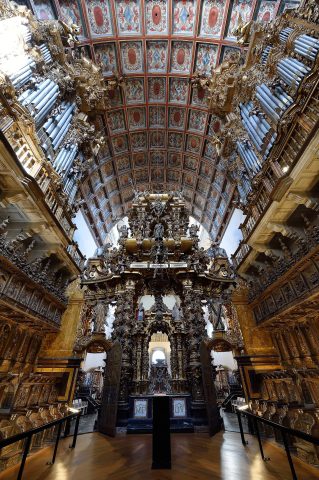
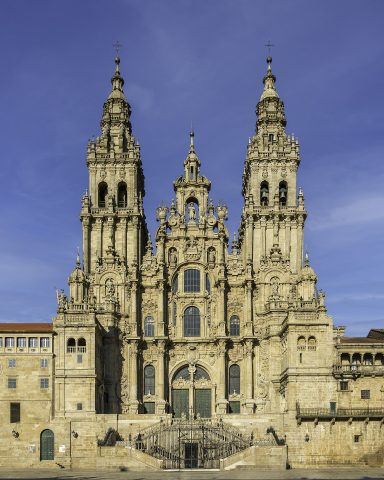
The architecture surrounding the plaza tells a story of layers, each era leaving its mark without erasing what came before. The most imposing presence is the Cathedral of Santiago de Compostela, its Baroque façade designed by Fernando de Casas y Novoa in the 18th century. The intricate carvings and towering spires are a testament to the craftsmanship of the time, but the cathedral itself is far older, its foundations stretching back to the 11th century. For pilgrims, it is the culmination of weeks or months of walking, a place where exhaustion and exhilaration collide. The façade, bathed in golden light at dawn, seems to welcome them home.
To the right of the cathedral stands the Palacio de Raxoi, a neoclassical building that now houses the city’s town hall. Its symmetrical columns and grand entrance contrast with the cathedral’s ornate curves, a reminder that even in a city steeped in medieval history, later periods left their own imprint. The palace was built in the 18th century as an archbishop’s residence, and its façade still bears the coat of arms of the Catholic Monarchs, a nod to the power that once governed these lands.
Opposite the cathedral, the Hostal dos Reis Católicos offers a glimpse into the city’s role as a haven for travelers. Founded in 1499 by Ferdinand and Isabella, it was originally a hospital for pilgrims, a place where the weary could rest and recover. Today, it operates as a parador, a luxury hotel housed in a historic building, but its Gothic façade remains unchanged. The intricate carvings around the entrance and the quiet courtyard with its arched walkways evoke a time when the square was not just a tourist destination but a place of refuge. The building’s balconies, adorned with the royal insignia, overlook the plaza, as if keeping watch over the comings and goings below.
Beside the hostal, the Colegio de San Jerónimo adds another layer to the square’s history. Built in the 16th century, it was once a seminary where priests were trained. Now, it serves as the rectorate of the University of Santiago de Compostela, a reminder that the city has long been a center of learning as well as faith. The building’s Renaissance style blends seamlessly with the surrounding architecture, its simple lines and arched windows offering a counterpoint to the more elaborate designs of the cathedral and palace.
The plaza is never still. In the early morning, it belongs to the locals—students hurrying to class, café owners setting up tables, the occasional pilgrim arriving before the crowds. By midday, the square fills with voices in a dozen languages, the clatter of footsteps on cobblestones, and the distant chime of the cathedral bells. Street musicians play in the shade of the trees, their melodies mixing with the hum of conversation. Groups of pilgrims gather on the cathedral steps, some laughing, others sitting in quiet reflection, their backpacks still dusty from the road.
The most dramatic moment comes at noon, when the botafumeiro takes flight. This enormous censer, swung by eight men in a carefully choreographed ritual, traces an arc across the cathedral’s transept, filling the air with the scent of incense. The tradition dates back to the Middle Ages, when the censer was used to purify the air after the crush of pilgrims. Watching it now, it’s easy to imagine the awe it must have inspired centuries ago. For many, it is the defining moment of their pilgrimage, a fleeting but unforgettable spectacle.
As evening falls, the plaza takes on a different character. The golden light of sunset softens the stone façades, and the sounds of the day give way to the murmur of diners in nearby taverns. The scent of Galician cuisine drifts through the air—octopus cooked with paprika, empanadas filled with cod, the sharp tang of local cheese. The square’s cafés spill out onto the pavement, offering a place to sit and watch the world go by. Souvenir stalls line the edges, selling scallop shells, the symbol of the Camino, alongside handmade ceramics and lace.
Plaza del Obradoiro is more than just a square; it is the living heart of Santiago de Compostela. Here, the sacred and the secular coexist, where the footsteps of medieval pilgrims echo alongside those of modern travelers. The stones beneath your feet have borne witness to centuries of arrivals and departures, of joy and sorrow, of faith and doubt. To stand here is to feel the weight of that history, but also to understand that you are now part of it. The city doesn’t just tell its story—it invites you to step into it.