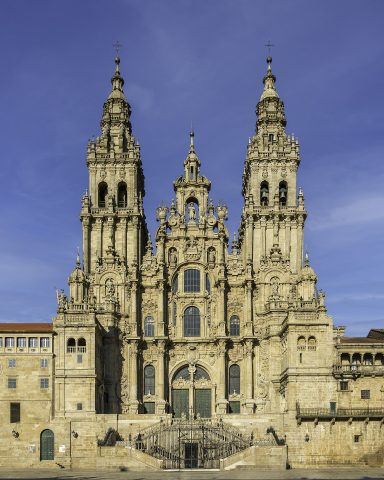
Alameda Park is one of those rare places in Santiago de Compostela that people return to not because they feel they should, but because they genuinely want to. Perched on a gentle slope just southwest of the historic center, it marks the quiet transition from the labyrinth of medieval streets to an open space filled with light and stillness. The cathedral is only a short walk away, yet the park feels worlds apart from the steady stream of pilgrims hurrying toward it. Here, the rhythm of the city slows, as if time itself moves at a different pace.
The park’s origins trace back to the early 19th century, when city officials decided to transform neglected land beyond the old city walls into a public space. At the time, Santiago was just beginning to expand beyond its medieval boundaries, and Alameda became one of the first places where residents could escape the cramped stone quarters of the old town. The name comes from the Spanish word for a poplar grove, though today the park is home to a much wider variety of trees—chestnuts, oaks, pines, and even exotic species brought from distant corners of the world. Some of these trees have stood here for over a century and a half, their gnarled roots and towering branches bearing silent witness to the city’s growth.
Over the years, Alameda’s appearance has evolved gradually. At its heart stands a fountain featuring two seahorses, installed in the mid-19th century. More than just a decorative element, it was once part of the city’s water supply system, serving the surrounding neighborhoods. Nearby, a small neoclassical pavilion—once a bandstand where brass bands played on weekends—now stands empty, its white columns and dome a quiet reminder of an era when parks were as much about public entertainment as they were about leisurely strolls.
One of the park’s most striking features is its terraced layout, which slopes gently toward the city. From the highest point, the view encompasses the cathedral’s towers and the rooftops of old Santiago, all softened by the surrounding greenery. The scene is especially beautiful at sunset, when the stone of the cathedral glows golden and the shadows of the trees stretch long and lazy across the paths. Locals often come here with books, newspapers, or simply to sit on one of the benches, watching the city from above. In these moments, Alameda feels like a shared living room, a place where everyone can find their own corner of peace.
The park has always been deeply woven into the fabric of the city. In the 19th century, it hosted fairs, festivals, and even political rallies. During Franco’s regime, it became a gathering spot for opposition-minded youth, and in the 1970s, it was a hub for student protests. Today, the echoes of that turbulent history are faint, but the park still carries the memory of those who once walked its paths. A statue of Rosalía de Castro, Galicia’s beloved poet, sits on a bench along one of the avenues, her bronze figure inviting passersby to sit beside her and lose themselves in thought.
Alameda is more than just a green space—it’s a living entity that changes with the seasons. In spring, magnolias and rhododendrons bloom, filling the air with their sweet scent. Summer brings students and tourists seeking shade from the heat, while autumn transforms the park into a canvas of gold and crimson, drawing photographers and artists. On the rare occasions when snow falls in Santiago, Alameda becomes a fairy-tale landscape, its ancient trees dusted with white against the dark trunks.
Despite its popularity, the park never feels crowded. Unlike the bustling cathedral square or Plaza da Quintana, Alameda remains a place where you can escape the crowds, think, read, or simply watch the city go by from a distance. There are no set routes here, no rigid paths to follow—just winding trails that lead wherever you choose, whether it’s a shady lane along an old stone wall or an open meadow with a view of the cathedral.
The park is also a place where different eras coexist. Medieval walls that once encircled the entire city stand alongside trees planted in the 19th century, while modern benches and lampposts blend seamlessly into the historic landscape. Alameda seems to gather all the layers of Santiago’s history without trying to smooth over their edges. Here, you’ll find old-fashioned streetlights next to new playgrounds, and even remnants of ancient fortifications that once protected the city from invaders.
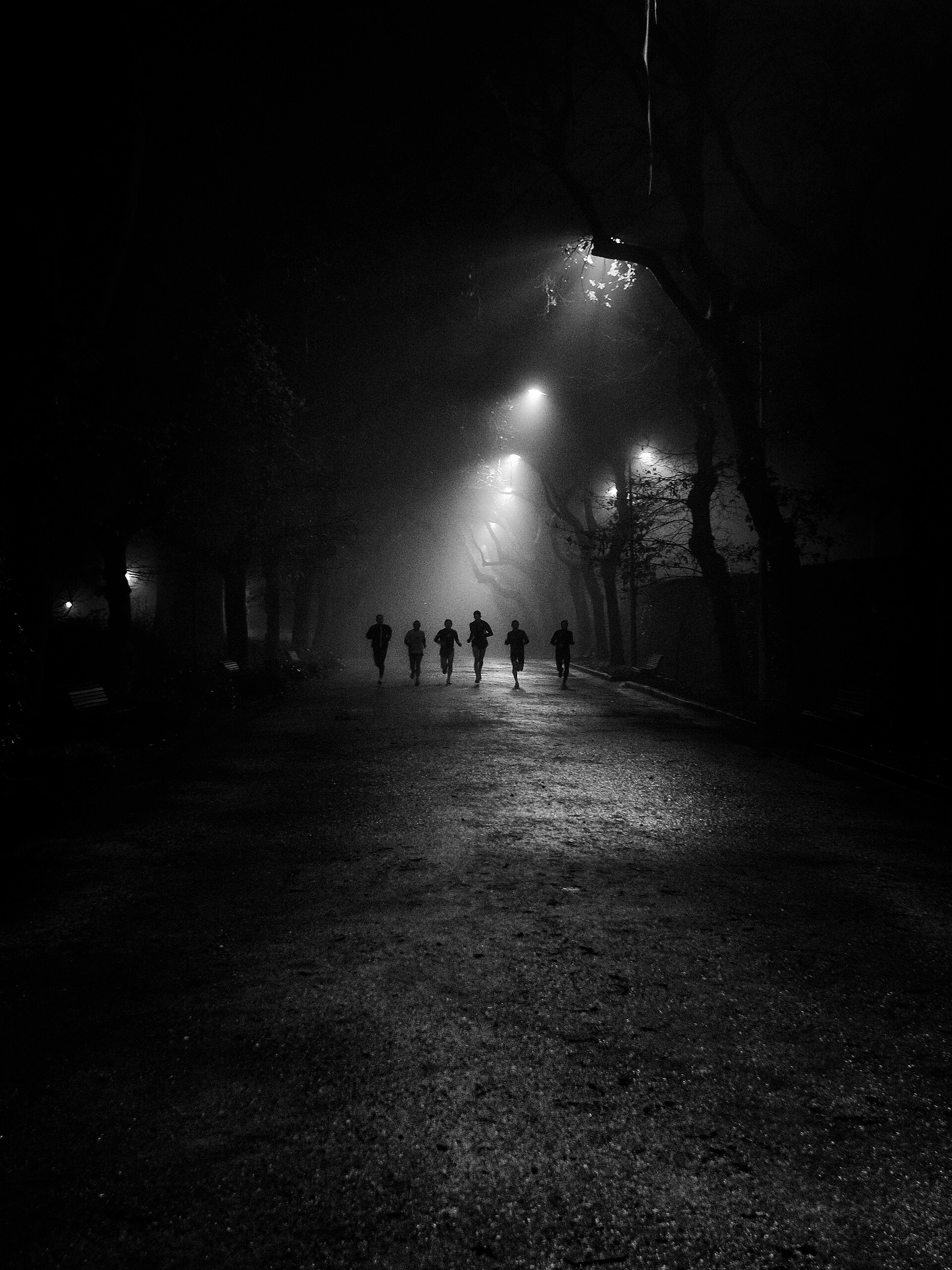
In recent years, Alameda has become part of the city’s folklore. Locals share stories of ghosts that wander the park at night, of secret meetings held under its trees, of musicians who once played here. Most of these tales are just legends, but they add to the park’s charm. Alameda isn’t just a green space—it’s a place where reality and imagination intertwine, where everyone can find something that resonates with them.
Many visitors to Santiago de Compostela never venture beyond the old town and the cathedral, but those who take the time to explore Alameda discover another side of the city—quiet, reflective, unhurried. There are no grand monuments or bustling squares here, and that’s precisely why the park is so special. It reminds us that travel isn’t just about ticking off sights; it’s also about pausing, looking around, and connecting with the soul of a place. Alameda offers that chance to anyone willing to take it.